THE ADVENTURE COLLECTIVE® · Independent discovery and booking for outdoor travel

A full-day boat tour from Puerto Baquerizo Moreno to Kicker Rock offers up-close snorkeling with turtles, reef and hammerhead sharks, and playful sea lions. Expect guided swims through a dramatic channel of basalt towers, a beach lunch, and close wildlife encounters under Galápagos National Park rules.
A full-day boat tour from Puerto Baquerizo Moreno to Kicker Rock offers up-close snorkeling with turtles, reef and hammerhead sharks, and playful sea lions. Expect guided swims through a dramatic channel of basalt towers, a beach lunch, and close wildlife encounters under Galápagos National Park rules.
You step off the whitewashed pier of Puerto Baquerizo Moreno before sunrise and the sea presses up against the hull like a promise. The boat slips away from town and the shoreline unfurls — low cliffs, cacti-studded ridges, and the slow wake of frigatebirds overhead. Thirty minutes later, a pair of basalt towers rises from the blue: Kicker Rock, or León Dormido, a fractured volcanic neck sliced by waves into two looming columns. It feels less like a landmark and more like a gate to another element.
Verified experiences and guided adventures in the surrounding area.
Operated by Galapagos Local · Puerto Baquerizo Moreno, Galápagos Province
You step off the whitewashed pier of Puerto Baquerizo Moreno before sunrise and the sea presses up against the hull like a promise. The boat slips away from town and the shoreline unfurls — low cliffs, cacti-studded ridges, and the slow wake of frigatebirds overhead. Thirty minutes later, a pair of basalt towers rises from the blue: Kicker Rock, or León Dormido, a fractured volcanic neck sliced by waves into two looming columns. It feels less like a landmark and more like a gate to another element.
Geology here is blunt: eroded ash and lava sculpted into near-vertical walls that channel currents and nurture life. The narrow channel between the towers funnels nutrient-rich water that draws reef fish, sea turtles, and the occasional hammerhead to hunt. Charles Darwin set foot on San Cristóbal in 1835; his notebooks might not have imagined snorkeling beside these cliffs, but the evolutionary theater is the same.
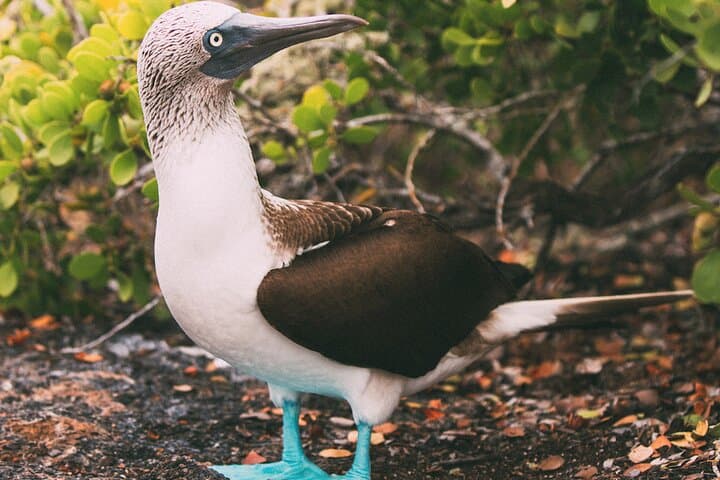
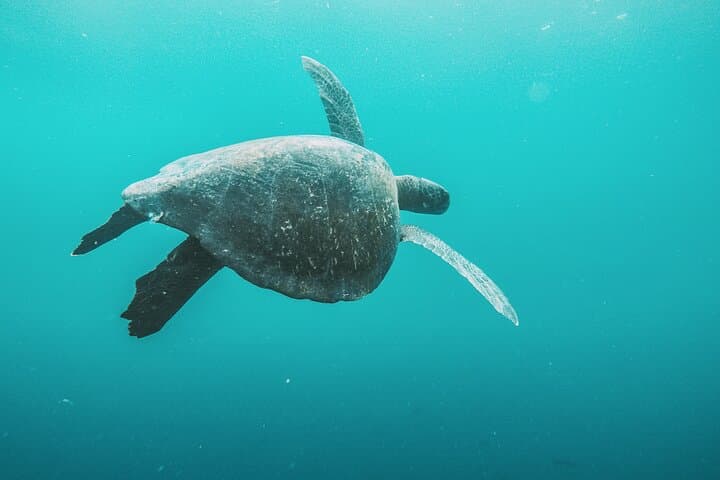
Wildlife runs the show. Sea lion pups braid around swimmers with childish curiosity. Reef sharks patrol deeper shelves; large, inquisitive hawksbill and green turtles surface with small, deliberate exhales. Overhead, blue-footed boobies plunge like spears while masked boobies and frigates argue for territory. A certified Galápagos National Park guide maintains the choreography — you enter the water in small groups, follow the guide’s path, and let the current bring encounters to you.
This is a full-day, 7–8 hour boat tour geared for varied skill levels: snorkeling stops at Kicker Rock, a relaxed lunch anchored near a secluded beach (Manglesito or Cerro Brujo), a quick familiarization at Lobo Island, and a photo pass of Cerro Tijeretas. Groups are small (up to 12) and basic comforts — onboard restroom, snacks, and towels — are provided. Mask, snorkel, fins, and life vests are included, but many experienced snorkelers bring their own gear for fit and clarity.
Practical edge: mornings usually mean calmer seas and better visibility; afternoons can pick up wind and chop. Water temperature swings with seasons — warmer and clearer in the wet season, cooler and nutrient-rich during the Humboldt months — so bring a thin wetsuit or rash guard if you get cold. Motion-sickness medication the night before helps sensitive travelers; the boat is stable, but ocean conditions vary.
Respect is part of the itinerary. The Galápagos operates under strict park rules: no touching wildlife, maintain distance, and follow guide instructions. That etiquette protects the animals and keeps this place wild for the next swimmer.
By day’s end the rock recedes and the island grows larger in the hull’s reflection. You return to town with salt in your hair, a camera full of tight-eyed sea lions and rock arches, and the sense that the ocean here isn’t just scenery — it’s an active, exacting world that invites careful, awe-filled participation.
moderate.
7–8 hours.
Moderate cardiovascular fitness and comfort swimming in open water; ability to enter/exit boat ladder and snorkel for 20–30 minute sessions.
The full-day excursion runs approximately 7–8 hours (420–480 minutes), including travel, snorkeling, lunch, and photo stops.
You should be comfortable swimming in open water and using a snorkel for 20–30 minute intervals; life vests are provided for safety.
Mask, snorkel, fins, life vests, towels, snacks, and lunch (vegetarian/vegan options) are included, though many guests bring personal masks and fins.
Yes—families can book, but the operator recommends children be competent swimmers and supervised at all times.
Expect sea lions, sea turtles, reef sharks, tropical fish, and seabirds such as boobies and frigates; hammerheads are seasonal but possible.
Meet in town at the i-Galapagos Agency (Teodoro Wolf & Ignacio Hernandez) at least one day before departure for a 6pm briefing, and be at the pier at the scheduled start time on the day.
San Cristóbal was one of Darwin’s first island stops in 1835; local villages grew around whaling and later fishing, shaping the island’s human story alongside its unique wildlife.
Visits operate under strict Galápagos National Park regulations and licensed naturalist guides to minimize disturbance; use reef-safe products and avoid single-use plastics to reduce impact.
Galapagos Local operates guided outdoor trips and adventures with an emphasis on safety, stewardship, and memorable experiences.
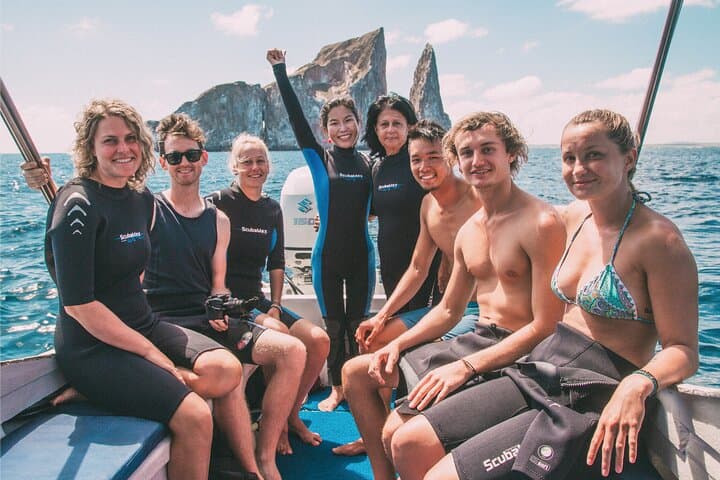

You step off the whitewashed pier of Puerto Baquerizo Moreno before sunrise and the sea presses up against the hull like a promise. The boat slips away from town and the shoreline unfurls — low cliffs, cacti-studded ridges, and the slow wake of frigatebirds overhead. Thirty minutes later, a pair of basalt towers rises from the blue: Kicker Rock, or León Dormido, a fractured volcanic neck sliced by waves into two looming columns. It feels less like a landmark and more like a gate to another element.
You step off the whitewashed pier of Puerto Baquerizo Moreno before sunrise and the sea presses up against the hull like a promise. The boat slips away from town and the shoreline unfurls — low cliffs, cacti-studded ridges, and the slow wake of frigatebirds overhead. Thirty minutes later, a pair of basalt towers rises from the blue: Kicker Rock, or León Dormido, a fractured volcanic neck sliced by waves into two looming columns. It feels less like a landmark and more like a gate to another element.
Geology here is blunt: eroded ash and lava sculpted into near-vertical walls that channel currents and nurture life. The narrow channel between the towers funnels nutrient-rich water that draws reef fish, sea turtles, and the occasional hammerhead to hunt. Charles Darwin set foot on San Cristóbal in 1835; his notebooks might not have imagined snorkeling beside these cliffs, but the evolutionary theater is the same.
Wildlife runs the show. Sea lion pups braid around swimmers with childish curiosity. Reef sharks patrol deeper shelves; large, inquisitive hawksbill and green turtles surface with small, deliberate exhales. Overhead, blue-footed boobies plunge like spears while masked boobies and frigates argue for territory. A certified Galápagos National Park guide maintains the choreography — you enter the water in small groups, follow the guide’s path, and let the current bring encounters to you.
This is a full-day, 7–8 hour boat tour geared for varied skill levels: snorkeling stops at Kicker Rock, a relaxed lunch anchored near a secluded beach (Manglesito or Cerro Brujo), a quick familiarization at Lobo Island, and a photo pass of Cerro Tijeretas. Groups are small (up to 12) and basic comforts — onboard restroom, snacks, and towels — are provided. Mask, snorkel, fins, and life vests are included, but many experienced snorkelers bring their own gear for fit and clarity.
Practical edge: mornings usually mean calmer seas and better visibility; afternoons can pick up wind and chop. Water temperature swings with seasons — warmer and clearer in the wet season, cooler and nutrient-rich during the Humboldt months — so bring a thin wetsuit or rash guard if you get cold. Motion-sickness medication the night before helps sensitive travelers; the boat is stable, but ocean conditions vary.
Respect is part of the itinerary. The Galápagos operates under strict park rules: no touching wildlife, maintain distance, and follow guide instructions. That etiquette protects the animals and keeps this place wild for the next swimmer.
By day’s end the rock recedes and the island grows larger in the hull’s reflection. You return to town with salt in your hair, a camera full of tight-eyed sea lions and rock arches, and the sense that the ocean here isn’t just scenery — it’s an active, exacting world that invites careful, awe-filled participation.