THE ADVENTURE COLLECTIVE® · Independent discovery and booking for outdoor travel

Chop into world-class, farmed ice just minutes from downtown Ouray with AMGA-certified guides leading the way. This full-day session blends precise instruction with high-value laps in the Uncompahgre Gorge—no experience required, all technical gear included.
Chop into world-class, farmed ice just minutes from downtown Ouray with AMGA-certified guides leading the way. This full-day session blends precise instruction with high-value laps in the Uncompahgre Gorge—no experience required, all technical gear included.
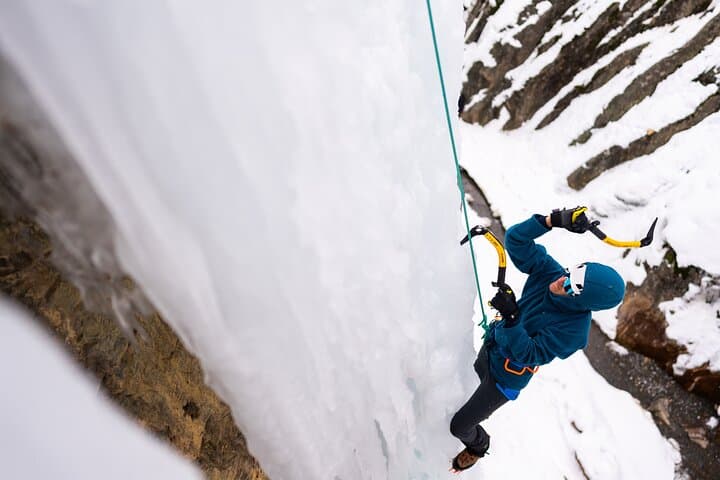
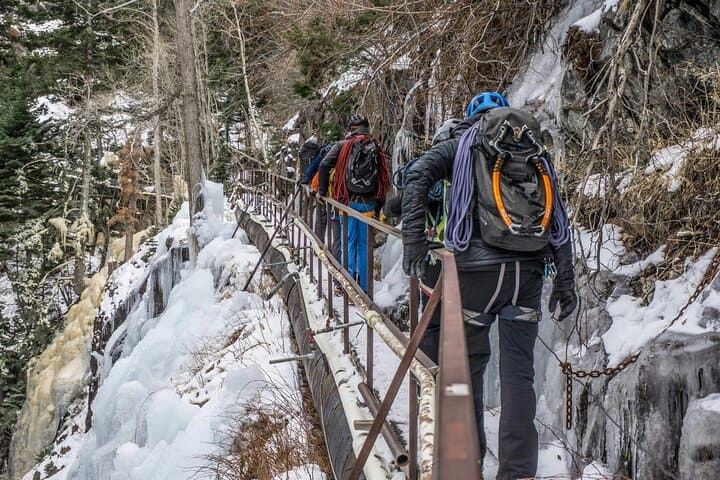
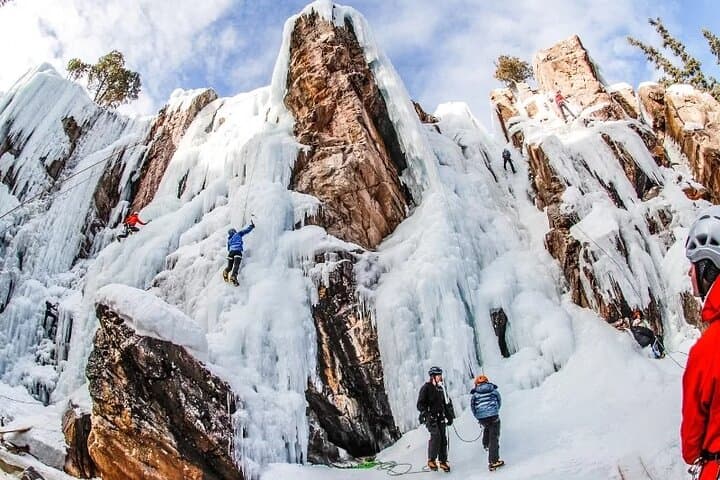
Morning snaps to attention in the Uncompahgre Gorge. Pipes hiss as the ice farmers wake the walls, knitting fresh blue curtains along the canyon. You step from the frosted parking pullout and the gorge swallows sound—just the crunch of crampons, the clink of steel, a breath that fogs and drifts. Beneath the Upper Bridge, your AMGA-certified guide tightens your harness, checks knots, and points to your first line in the School Room, a friendly amphitheater where new climbers cut their teeth and veterans warm up. The ice waits—glassy in the shade, stubborn where the sun teases the rim—daring you to move with it, not against it.
Verified experiences and guided adventures in the surrounding area.
Operated by Mountain Trip · Ouray, Colorado
Morning snaps to attention in the Uncompahgre Gorge. Pipes hiss as the ice farmers wake the walls, knitting fresh blue curtains along the canyon. You step from the frosted parking pullout and the gorge swallows sound—just the crunch of crampons, the clink of steel, a breath that fogs and drifts. Beneath the Upper Bridge, your AMGA-certified guide tightens your harness, checks knots, and points to your first line in the School Room, a friendly amphitheater where new climbers cut their teeth and veterans warm up. The ice waits—glassy in the shade, stubborn where the sun teases the rim—daring you to move with it, not against it.
Ouray’s ice is engineered and alive. In the 1990s, locals began diverting overflow water onto canyon walls, and a winter tradition took off. Today the Ouray Ice Park hosts over 200 routes from mellow flows to steep pillars like Pic O’ the Vic and mixed lines in South Park, all within walking distance of a Victorian mining town at 7,700 feet. The geology helps: a narrow box canyon funnels cold air, preserving ice from mid-December through early March, while the city’s plumbing feeds nightly freeze cycles. It’s part craft, part climate, and entirely addictive.
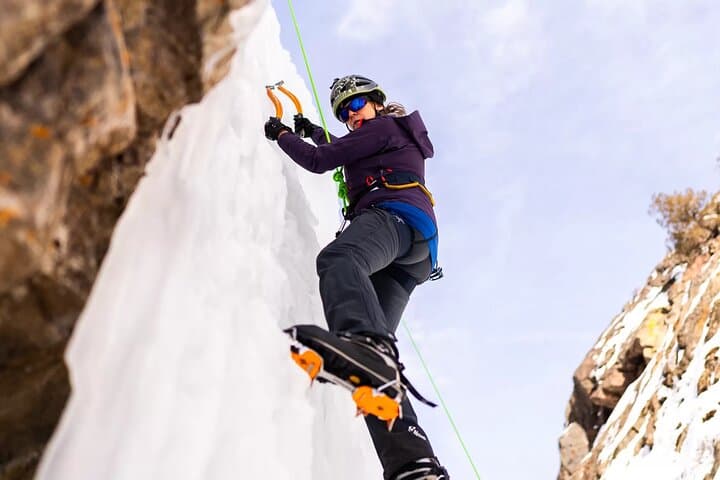
A full-day with a professional guide maximizes time on tools. Expect a quick orientation to gear and movement—precise foot placements, efficient tool swings, and how to “find the rest” on vertical ice. Beginners top-rope safe, well-bolted lines while learning to read the ice and manage the rope. More experienced climbers can refine steep technique, mixed moves, and even explore anchor building or mock leads under close supervision. Instruction is personal and steady; the canyon sets the rhythm as you climb, shake out, and climb again.
Logistics are refreshingly simple. The park begins less than a mile from Main Street; approaches range from a few minutes to 15 depending on your area. All technical gear—boots, crampons, tools, harness, and helmet—is provided, so you can focus on layering for a cold day outside. Winter temps often hover between 10–35°F, colder in the morning shade. Hydration matters at altitude, even when you don’t feel thirsty, and the sun at 7,700 feet has a habit of bouncing off ice and finding your cheeks.
Between laps, look up. Bighorn sheep patrol the rims; American dippers bob in the creek below. Overhead, the bridges frame the gorge like viewing decks. By the time you coil the rope, forearms pleasantly worked and breath steady, the light has shifted again—gold on the rim, steel in the canyon—and the ice seems to nod, already growing for tomorrow.
challenging.
7–8 hours.
Comfort hiking short snowy approaches and spending a full winter day outside; able to climb multiple top-rope laps with breaks.
No. Beginners are welcome, and guides start with movement basics and top-rope systems before progressing to steeper terrain.
Boots, crampons, ice tools, harness, and helmet are included; you should bring personal layers, gloves, snacks, and water.
Winter temps typically range from 10–35°F; mornings are colder in the shade with wind occasionally funneling through the canyon.
Most areas are 5–15 minutes from the park entrance; your guide selects venues with minimal walking and maximal climbing for the day’s goals.
Trips may be adjusted, relocated, or canceled for safety in extreme cold, heavy snow, or hazardous conditions; refunds follow the operator’s policy.
Portable toilets are at key park access points; warm up with layers and hot drinks—there are no heated structures in the gorge.
Ouray boomed on silver and gold in the late 1800s; the Ice Park began in the 1990s when locals started ‘farming’ ice by spraying overflow water onto the canyon walls.
Stay on designated trails, obey closures, and avoid chipping fragile features. Pack out trash and minimize water use—this is a carefully managed resource in a high-desert region.
Mountain Trip operates guided outdoor trips and adventures with an emphasis on safety, stewardship, and memorable experiences.
Morning snaps to attention in the Uncompahgre Gorge. Pipes hiss as the ice farmers wake the walls, knitting fresh blue curtains along the canyon. You step from the frosted parking pullout and the gorge swallows sound—just the crunch of crampons, the clink of steel, a breath that fogs and drifts. Beneath the Upper Bridge, your AMGA-certified guide tightens your harness, checks knots, and points to your first line in the School Room, a friendly amphitheater where new climbers cut their teeth and veterans warm up. The ice waits—glassy in the shade, stubborn where the sun teases the rim—daring you to move with it, not against it.
Morning snaps to attention in the Uncompahgre Gorge. Pipes hiss as the ice farmers wake the walls, knitting fresh blue curtains along the canyon. You step from the frosted parking pullout and the gorge swallows sound—just the crunch of crampons, the clink of steel, a breath that fogs and drifts. Beneath the Upper Bridge, your AMGA-certified guide tightens your harness, checks knots, and points to your first line in the School Room, a friendly amphitheater where new climbers cut their teeth and veterans warm up. The ice waits—glassy in the shade, stubborn where the sun teases the rim—daring you to move with it, not against it.
Ouray’s ice is engineered and alive. In the 1990s, locals began diverting overflow water onto canyon walls, and a winter tradition took off. Today the Ouray Ice Park hosts over 200 routes from mellow flows to steep pillars like Pic O’ the Vic and mixed lines in South Park, all within walking distance of a Victorian mining town at 7,700 feet. The geology helps: a narrow box canyon funnels cold air, preserving ice from mid-December through early March, while the city’s plumbing feeds nightly freeze cycles. It’s part craft, part climate, and entirely addictive.
A full-day with a professional guide maximizes time on tools. Expect a quick orientation to gear and movement—precise foot placements, efficient tool swings, and how to “find the rest” on vertical ice. Beginners top-rope safe, well-bolted lines while learning to read the ice and manage the rope. More experienced climbers can refine steep technique, mixed moves, and even explore anchor building or mock leads under close supervision. Instruction is personal and steady; the canyon sets the rhythm as you climb, shake out, and climb again.
Logistics are refreshingly simple. The park begins less than a mile from Main Street; approaches range from a few minutes to 15 depending on your area. All technical gear—boots, crampons, tools, harness, and helmet—is provided, so you can focus on layering for a cold day outside. Winter temps often hover between 10–35°F, colder in the morning shade. Hydration matters at altitude, even when you don’t feel thirsty, and the sun at 7,700 feet has a habit of bouncing off ice and finding your cheeks.
Between laps, look up. Bighorn sheep patrol the rims; American dippers bob in the creek below. Overhead, the bridges frame the gorge like viewing decks. By the time you coil the rope, forearms pleasantly worked and breath steady, the light has shifted again—gold on the rim, steel in the canyon—and the ice seems to nod, already growing for tomorrow.