THE ADVENTURE COLLECTIVE® · Independent discovery and booking for outdoor travel

Spend a curated day in volcanic Hakone with an English-speaking guide: ride the ropeway over steaming vents, cruise Lake Ashi for torii and Mt. Fuji views, and choose world-class museums and gardens to suit your pace. This private, 8-hour tour uses trains and buses for a seamless, customizable loop.
Spend a curated day in volcanic Hakone with an English-speaking guide: ride the ropeway over steaming vents, cruise Lake Ashi for torii and Mt. Fuji views, and choose world-class museums and gardens to suit your pace. This private, 8-hour tour uses trains and buses for a seamless, customizable loop.
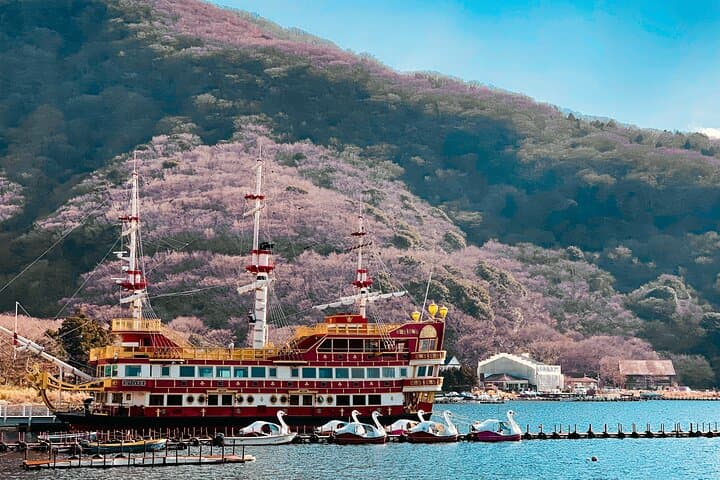
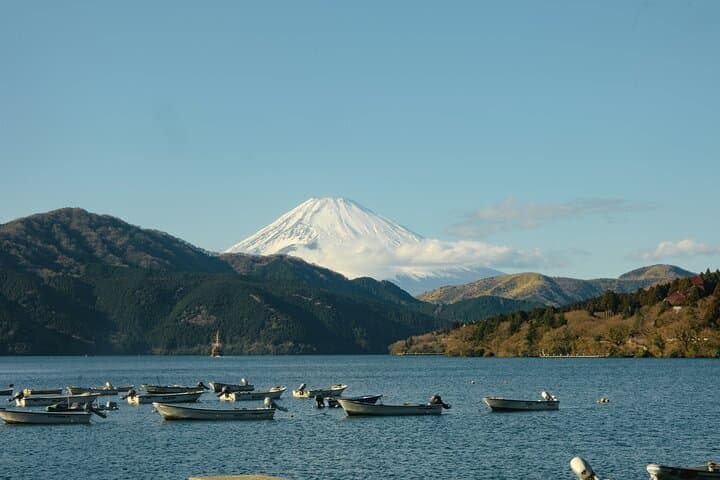
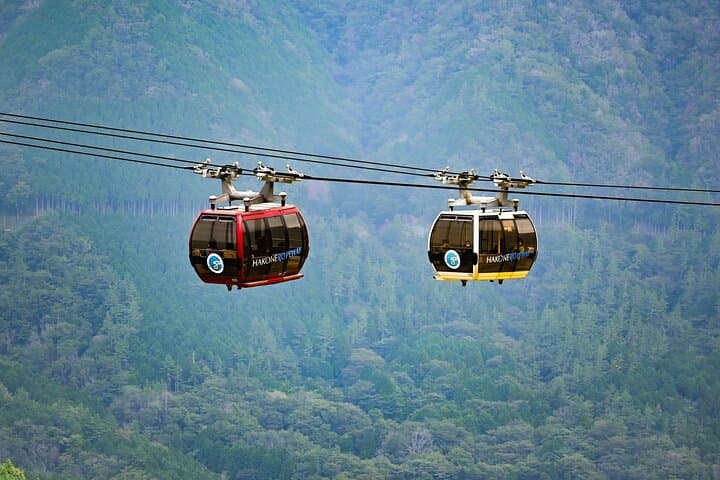
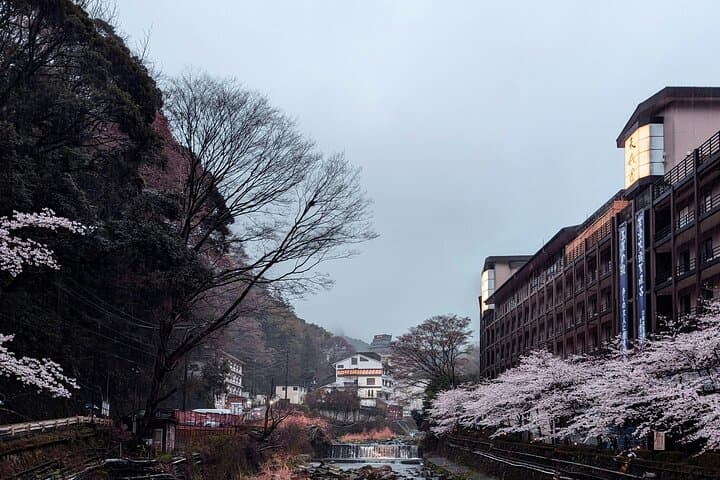
You step out of Hakone-Yumoto Station into a cool mountain morning and the guide is waiting—an easy smile, an itinerary sketched to your pace. Over the next eight hours you’ll ride cable cars and buses, glide on a pirate ship across an alpine lake, and peer into a volcanic throat that still breathes steam. Hakone moves like a slow, curious traveler: the ropeway lifts you over ridgelines, the lake keeps its own mirror of Mt. Fuji, and museums sit like unexpected rooms in the landscape.
Verified experiences and guided adventures in the surrounding area.
Operated by Nature Retreat Tour · Hakone, Kanagawa
You step out of Hakone-Yumoto Station into a cool mountain morning and the guide is waiting—an easy smile, an itinerary sketched to your pace. Over the next eight hours you’ll ride cable cars and buses, glide on a pirate ship across an alpine lake, and peer into a volcanic throat that still breathes steam. Hakone moves like a slow, curious traveler: the ropeway lifts you over ridgelines, the lake keeps its own mirror of Mt. Fuji, and museums sit like unexpected rooms in the landscape.
This is volcanic country. The steam-shrouded Owakudani valley formed when the Hakone complex erupted thousands of years ago; sulphur vents still huff and the famous kuro-tamago—hard-boiled eggs blackened by hot springs—are sold as a local oddity that “adds seven years” to your life. Lake Ashi is a caldera lake created by those eruptions, its water gathering the region’s weather and history into a reflective surface. Shrines on the shore, including the torii of Hakone Shrine, mark centuries of pilgrim traffic and quiet ritual.
Culturally, Hakone is a place of movement—artists and collectors built museums here to sit among cedars and cedar-scented air. The Open-Air Museum places sculptures where hikers already want to linger; the Venetian Glass Museum and Lalique galleries mix European craft with Japanese reverence for materials. Guides thread local stories—railway beginnings, onsen customs, and why the ropeway closes when wind decides otherwise—into practical advice on timing and photo spots.
Practically, the tour is flexible: you pick three to four highlights and travel by public train and bus with an English-speaking guide. Expect a full day of on-foot exploration and short transfers; fares for public transit are not included, and the guide will handle logistics and photography. Start early for clearer views of Mt. Fuji; late afternoon brings softer light but thicker haze. Wear grippy walking shoes—steps and uneven paths are common—and layer for sudden drops in temperature near Owakudani.
Plan for a mix of indoor and outdoor stops: museums provide cover if the weather turns, while ropeway and lake cruises reward clear skies. Bring a Suica/Pasmo card or cash for fares and small shops, and pack a compact rain jacket—Hakone’s weather can change faster than the ropeway schedules. Above all, move slowly enough to notice the steam, the glazed glass in a museum window, the slant of the torii against the water; Hakone’s attractions are best when you can look twice.
moderate.
8 hours.
Suitable for most travelers who can manage multiple short walks, stairs, and transfers; minimal hill climbing required.
No—admissions, ropeway and cruise fares, and public transport fares are not included; the guide can advise on ticket purchase.
Meet at the Hakone-Yumoto Tourist Information Center, a one-minute walk from the station exit; the guide will confirm pickup details after booking.
Yes—this tour is rated easy to moderate; choose attractions with minimal walking if mobility is limited.
The tour includes an English-speaking guide; check availability for other languages in advance.
The tour runs rain or shine; the guide will suggest indoor museum options if ropeway or cruise services are suspended for safety.
No—meals are not included; the guide can recommend local restaurants and onsen ryokan cafés along the route.
Hakone has been a strategic mountain pass since the Edo period, with shrines and checkpoints that served travelers between Edo (Tokyo) and the west.
Stick to marked paths, avoid feeding wildlife, and support museums that fund local conservation—all help preserve Hakone’s fragile volcanic landscapes.
Nature Retreat Tour operates guided outdoor trips and adventures with an emphasis on safety, stewardship, and memorable experiences.
You step out of Hakone-Yumoto Station into a cool mountain morning and the guide is waiting—an easy smile, an itinerary sketched to your pace. Over the next eight hours you’ll ride cable cars and buses, glide on a pirate ship across an alpine lake, and peer into a volcanic throat that still breathes steam. Hakone moves like a slow, curious traveler: the ropeway lifts you over ridgelines, the lake keeps its own mirror of Mt. Fuji, and museums sit like unexpected rooms in the landscape.
You step out of Hakone-Yumoto Station into a cool mountain morning and the guide is waiting—an easy smile, an itinerary sketched to your pace. Over the next eight hours you’ll ride cable cars and buses, glide on a pirate ship across an alpine lake, and peer into a volcanic throat that still breathes steam. Hakone moves like a slow, curious traveler: the ropeway lifts you over ridgelines, the lake keeps its own mirror of Mt. Fuji, and museums sit like unexpected rooms in the landscape.
This is volcanic country. The steam-shrouded Owakudani valley formed when the Hakone complex erupted thousands of years ago; sulphur vents still huff and the famous kuro-tamago—hard-boiled eggs blackened by hot springs—are sold as a local oddity that “adds seven years” to your life. Lake Ashi is a caldera lake created by those eruptions, its water gathering the region’s weather and history into a reflective surface. Shrines on the shore, including the torii of Hakone Shrine, mark centuries of pilgrim traffic and quiet ritual.
Culturally, Hakone is a place of movement—artists and collectors built museums here to sit among cedars and cedar-scented air. The Open-Air Museum places sculptures where hikers already want to linger; the Venetian Glass Museum and Lalique galleries mix European craft with Japanese reverence for materials. Guides thread local stories—railway beginnings, onsen customs, and why the ropeway closes when wind decides otherwise—into practical advice on timing and photo spots.
Practically, the tour is flexible: you pick three to four highlights and travel by public train and bus with an English-speaking guide. Expect a full day of on-foot exploration and short transfers; fares for public transit are not included, and the guide will handle logistics and photography. Start early for clearer views of Mt. Fuji; late afternoon brings softer light but thicker haze. Wear grippy walking shoes—steps and uneven paths are common—and layer for sudden drops in temperature near Owakudani.
Plan for a mix of indoor and outdoor stops: museums provide cover if the weather turns, while ropeway and lake cruises reward clear skies. Bring a Suica/Pasmo card or cash for fares and small shops, and pack a compact rain jacket—Hakone’s weather can change faster than the ropeway schedules. Above all, move slowly enough to notice the steam, the glazed glass in a museum window, the slant of the torii against the water; Hakone’s attractions are best when you can look twice.