THE ADVENTURE COLLECTIVE® · Independent discovery and booking for outdoor travel

Swap Tokyo’s rapid rhythm for a curated day in Hakone: volcanic steam at Owakudani, a scenic Lake Ashi cruise with possible Mt. Fuji views, a cedar-lined visit to Hakone Shrine, and a restorative soak at Tenzan Onsen. This private tour blends geology, history and practical ease—hotel pickup, English guide and a relaxed itinerary.
Swap Tokyo’s rapid rhythm for a curated day in Hakone: volcanic steam at Owakudani, a scenic Lake Ashi cruise with possible Mt. Fuji views, a cedar-lined visit to Hakone Shrine, and a restorative soak at Tenzan Onsen. This private tour blends geology, history and practical ease—hotel pickup, English guide and a relaxed itinerary.
You step out of Tokyo’s stream of glass and neon into a quieter geometry: cedared lanes, the low steam of volcanic vents and the long mirror of Lake Ashi pushing light back at you. On a private Hakone tour the rhythm is deliberate—short drives between sites, an English-speaking guide who reads the weather and times the stops, and the rare luxury of moving through a famous landscape without the bustle of a crowded coach.
Verified experiences and guided adventures in the surrounding area.
Operated by O2 Japan travel · Hakone, Kanagawa
You step out of Tokyo’s stream of glass and neon into a quieter geometry: cedared lanes, the low steam of volcanic vents and the long mirror of Lake Ashi pushing light back at you. On a private Hakone tour the rhythm is deliberate—short drives between sites, an English-speaking guide who reads the weather and times the stops, and the rare luxury of moving through a famous landscape without the bustle of a crowded coach.
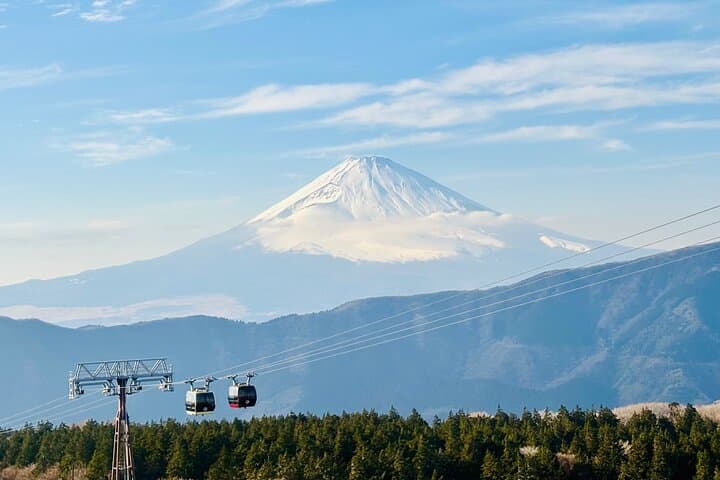
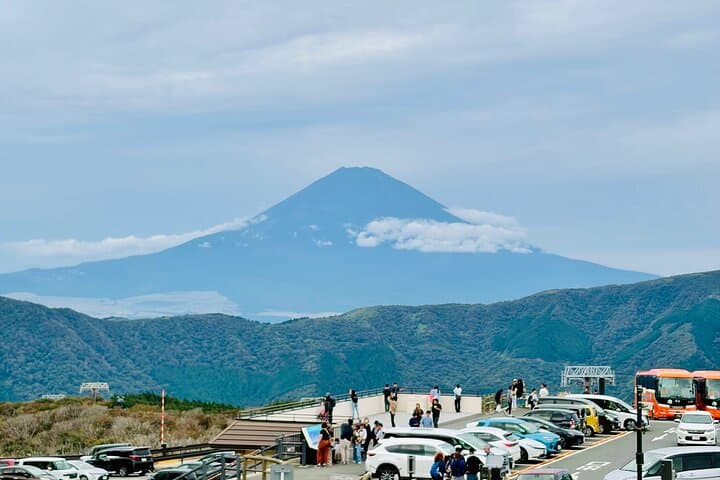
Begin at Owakudani, where the earth still argues with the surface. Sulphur steam guts the air and the ground is pouched with fumaroles; the smell is sharp, the views of Mount Fuji sudden and clear on crisp days. Try a kuro-tamago—an egg roasted in the valley’s hot springs that locals say brings you seven extra years—and watch locals and visitors alike line up for that small, blackened ritual.
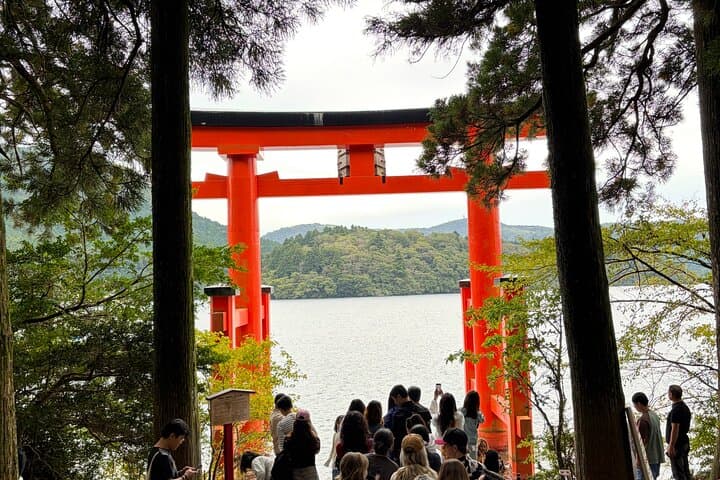
From volcanic drama you drift onto the lake. The Lake Ashi cruise is deliberately theatrical: a pirate-themed ship cuts across the glass, offering framed views of the torii gate of Hakone Shrine and, when the weather cooperates, the stoic cone of Fuji. The shore is a mix of Edo-period history—old checkpoint ruins that marked the Tōkaidō route—and modern museums tucked into hillsides.
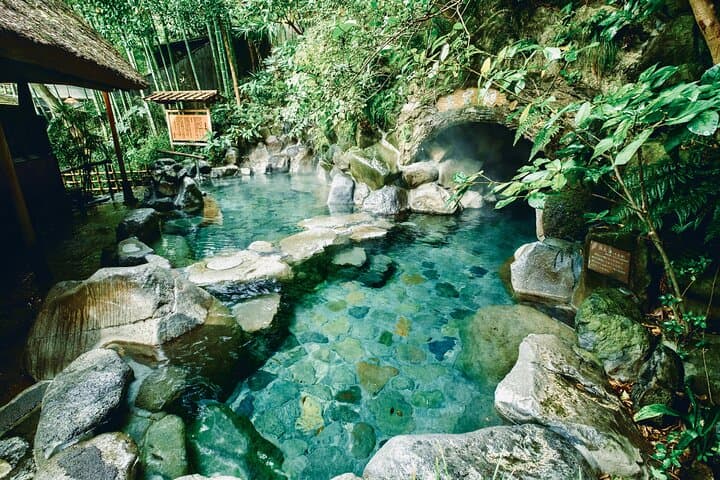
The day closes where many Japanese journeys do: in hot water. Tenzan Onsen’s outdoor baths are set into a shaded fold of forest, where the steam is softer and bathing rules pace the experience; you leave refreshed, cleaner in more than the literal sense.
Practicalities matter on a day like this. The full tour runs about 10 hours with hotel pickup in Tokyo and drop-off; dress in layers because microclimates change between lakeshore and volcanic plateau. Mount Fuji is a moodier presence than images suggest—best seen in the clear, cold hours of morning or late afternoon. Owakudani’s accessibility has fluctuated with volcanic alerts; guides often use ropeways or viewpoints nearby when vents are closed.
Bring good walking shoes for uneven boardwalks, a small towel (onsen entrance typically requires one), and a camera with a zoom for birdlife and Fuji. Respect onsen etiquette—follow the posted rules, rinse before entering baths, and avoid swimwear unless a facility specifies it. Finally, allow the guide to set the pace: a private tour’s value is in timing visits for light and crowds, so let a local’s instincts shape the route and you’ll leave Hakone with the right kind of quiet.
easy.
10 hours.
Light walking and brief stair climbs—suitable for most fitness levels; some short uneven paths at Owakudani and the shrine.
Yes—hotel pickup and drop-off in Tokyo are included; be in your lobby 15 minutes before the scheduled time.
Fuji visibility depends on weather; clear, cold mornings and late afternoons offer the best chance—your guide will adjust the schedule when possible.
Most traditional onsen require bathers to enter nude and follow washing procedures; some facilities may provide or permit towels—follow on-site instructions.
Infants and small children can use strollers for parts of the tour, but some sites have steps and uneven paths—check accessibility needs with the operator in advance.
A kuro-tamago is an egg cooked in Owakudani’s hot springs that turns black from sulfur—local lore says it adds years to your life; it’s safe to eat in moderation.
Yes—access can be restricted for safety; guides will substitute nearby viewpoints or ropeway stops if the valley is closed.
Hakone was a strategic checkpoint on the historic Tōkaidō route between Edo (Tokyo) and Kyoto; its hot springs have drawn visitors since the Edo period.
Stay on marked paths around volcanic features, follow onsen rules to protect water quality, and avoid feeding wildlife to preserve natural behaviors.
O2 Japan travel operates guided outdoor trips and adventures with an emphasis on safety, stewardship, and memorable experiences.
You step out of Tokyo’s stream of glass and neon into a quieter geometry: cedared lanes, the low steam of volcanic vents and the long mirror of Lake Ashi pushing light back at you. On a private Hakone tour the rhythm is deliberate—short drives between sites, an English-speaking guide who reads the weather and times the stops, and the rare luxury of moving through a famous landscape without the bustle of a crowded coach.
You step out of Tokyo’s stream of glass and neon into a quieter geometry: cedared lanes, the low steam of volcanic vents and the long mirror of Lake Ashi pushing light back at you. On a private Hakone tour the rhythm is deliberate—short drives between sites, an English-speaking guide who reads the weather and times the stops, and the rare luxury of moving through a famous landscape without the bustle of a crowded coach.
Begin at Owakudani, where the earth still argues with the surface. Sulphur steam guts the air and the ground is pouched with fumaroles; the smell is sharp, the views of Mount Fuji sudden and clear on crisp days. Try a kuro-tamago—an egg roasted in the valley’s hot springs that locals say brings you seven extra years—and watch locals and visitors alike line up for that small, blackened ritual.
From volcanic drama you drift onto the lake. The Lake Ashi cruise is deliberately theatrical: a pirate-themed ship cuts across the glass, offering framed views of the torii gate of Hakone Shrine and, when the weather cooperates, the stoic cone of Fuji. The shore is a mix of Edo-period history—old checkpoint ruins that marked the Tōkaidō route—and modern museums tucked into hillsides.
The day closes where many Japanese journeys do: in hot water. Tenzan Onsen’s outdoor baths are set into a shaded fold of forest, where the steam is softer and bathing rules pace the experience; you leave refreshed, cleaner in more than the literal sense.
Practicalities matter on a day like this. The full tour runs about 10 hours with hotel pickup in Tokyo and drop-off; dress in layers because microclimates change between lakeshore and volcanic plateau. Mount Fuji is a moodier presence than images suggest—best seen in the clear, cold hours of morning or late afternoon. Owakudani’s accessibility has fluctuated with volcanic alerts; guides often use ropeways or viewpoints nearby when vents are closed.
Bring good walking shoes for uneven boardwalks, a small towel (onsen entrance typically requires one), and a camera with a zoom for birdlife and Fuji. Respect onsen etiquette—follow the posted rules, rinse before entering baths, and avoid swimwear unless a facility specifies it. Finally, allow the guide to set the pace: a private tour’s value is in timing visits for light and crowds, so let a local’s instincts shape the route and you’ll leave Hakone with the right kind of quiet.