THE ADVENTURE COLLECTIVE® · Independent discovery and booking for outdoor travel

Spend nine hours aboard a private double-decker pontoon exploring Coron’s lakes, lagoons, wrecks and reef gardens. This family-friendly boat tour blends swims, short climbs and beachside lunch with local insights into the islands' wartime and geological past.
Spend nine hours aboard a private double-decker pontoon exploring Coron’s lakes, lagoons, wrecks and reef gardens. This family-friendly boat tour blends swims, short climbs and beachside lunch with local insights into the islands' wartime and geological past.
The morning light in Coron splits off the limestone ridges in shafts of hard white; the harbor wakes slowly, and before long a two-level pontoon pushes away from the pier with a small cheering crowd on board. The upper deck basks in sun, promising room to stretch and sunbathe, while the shaded lower deck keeps cool like a retreat from the tropics. Over the next nine hours the boat becomes a private stage for a route through emerald lakes, reef gardens, WWII wrecks and sugar-white beaches.
Verified experiences and guided adventures in the surrounding area.
Operated by Royal Island Watersports · Coron, Palawan
The morning light in Coron splits off the limestone ridges in shafts of hard white; the harbor wakes slowly, and before long a two-level pontoon pushes away from the pier with a small cheering crowd on board. The upper deck basks in sun, promising room to stretch and sunbathe, while the shaded lower deck keeps cool like a retreat from the tropics. Over the next nine hours the boat becomes a private stage for a route through emerald lakes, reef gardens, WWII wrecks and sugar-white beaches.
This stretch of northern Palawan is a living chronicle of geology and history. Karst limestone towers rose from an ancient seabed and now shrug up from the water, shaping chambers like Kayangan Lake and the Twin Lagoon where currents debate temperature and clarity. In 1944, wartime strikes left ships like the Skeleton Wreck to become reef foundations; today those hulks harbor parrotfish, anemones and the occasional curious nudibranch. Indigenous Tagbanua communities still maintain cultural ties to many of the islands, and visitors are often reminded that these landscapes have long been stewards for local livelihoods.
The day moves in a simple cadence: an arrival, a swim or snorkel, a short climb here and an hour of beach time there. Kayangan Lake demands a breath and a climb—350 steps reward swimmers with glass-clear water rimmed by cliffs. Barracuda Lake teases divers with thermal layers and a jagged rocky approach. Coral gardens at Twin Peaks and Balinsasayaw pulse with color under the surface—giant clams, damselfish and butterflyfish arrange themselves with indifferent patience for our cameras.
Practicality keeps the trip enjoyable. Boats come equipped with snorkel gear, a Bluetooth speaker and an ice cooler; operators provide lunch on a shaded beach and will pick you up from town hotels. Wear reef-safe sunscreen, bring swim shoes for the beach and limestone steps, and set expectations: it’s a long day with several short swims rather than extended dives. For families, the upper deck is a play space for kids while the lower deck is where you dry off and find shade.
Respect matters: avoid touching corals, use reef-safe products, and carry a small amount of cash for local entrance fees and souvenir stalls. Weather can turn the mood quickly—swell and wind change visibility—so check forecasts and book on a morning with calm seas for the best snorkeling.
By late afternoon the boat returns to Coron Harbor with salt-damp hair and a stack of photos. The day’s real souvenir is a clearer sense of place: limestone that keeps rising, reefs that keep giving, and an island chain that rewards curiosity when visitors show up informed and considerate.
moderate.
9 hours.
Moderate: able to climb short stair sections, swim short distances and stay active for several hours.
These private double-decker pontoons accommodate up to 20 guests, making them ideal for families or small groups who want exclusive use of the vessel.
Yes—snorkel sets are included, but many travelers bring their own mask for fit; fins may be available but check with the operator if you need a specific size.
Some local park or island fees are not always included—bring small cash just in case; your operator will advise which fees are extra at booking.
The trip is family-friendly, but several stops require climbing steps and swimming; assess children’s and seniors’ mobility beforehand and notify the operator of any concerns.
Tours can be canceled for safety due to rough seas or storms; the cancellation policy usually allows a full refund if canceled at least 24 hours in advance.
Onboard facilities are limited—expect basic toilet options on some boats and at designated islands; plan accordingly before departure.
Several WWII shipwrecks around Coron, including the Skeleton Wreck, became artificial reefs after Allied airstrikes; these wrecks are now important dive and snorkel sites.
Coron’s reefs are under pressure from tourism and bleaching—use reef-safe sunscreen, avoid touching corals and support local guides who follow no-take rules.
Royal Island Watersports operates guided outdoor trips and adventures with an emphasis on safety, stewardship, and memorable experiences.
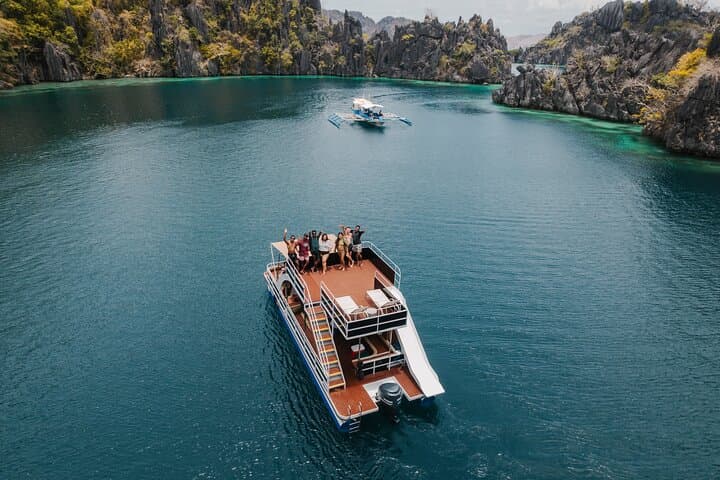
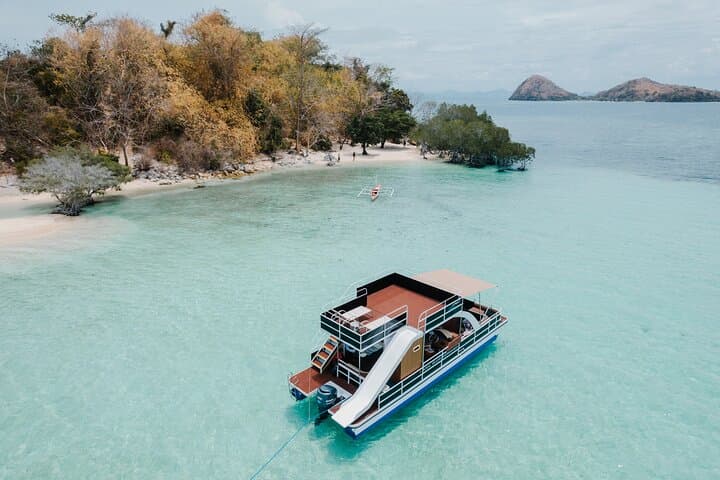
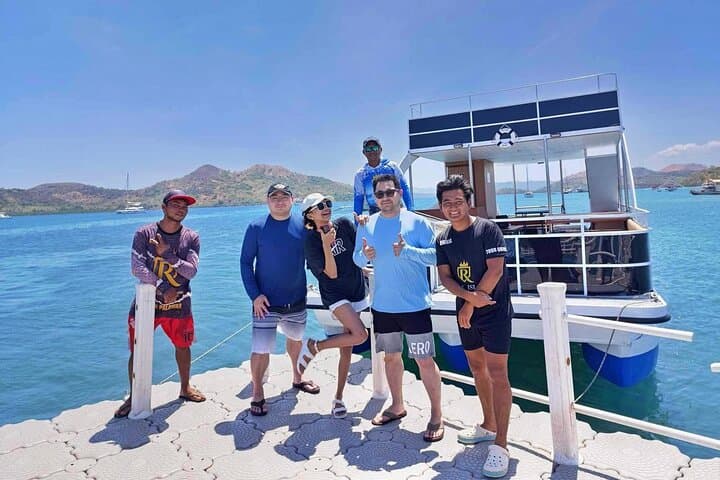
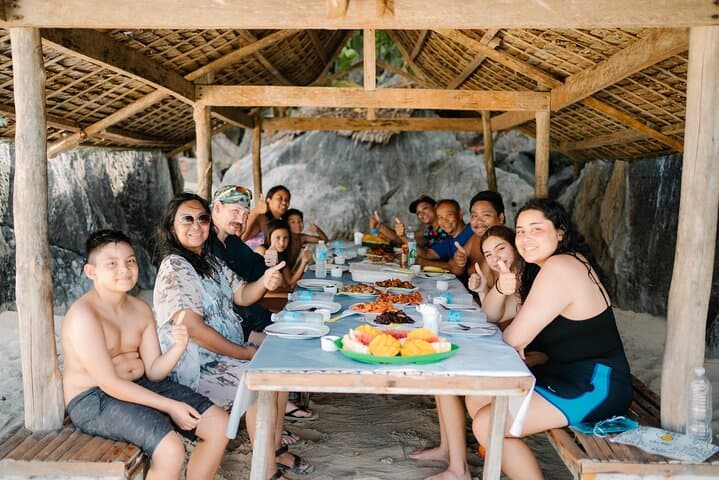
The morning light in Coron splits off the limestone ridges in shafts of hard white; the harbor wakes slowly, and before long a two-level pontoon pushes away from the pier with a small cheering crowd on board. The upper deck basks in sun, promising room to stretch and sunbathe, while the shaded lower deck keeps cool like a retreat from the tropics. Over the next nine hours the boat becomes a private stage for a route through emerald lakes, reef gardens, WWII wrecks and sugar-white beaches.
The morning light in Coron splits off the limestone ridges in shafts of hard white; the harbor wakes slowly, and before long a two-level pontoon pushes away from the pier with a small cheering crowd on board. The upper deck basks in sun, promising room to stretch and sunbathe, while the shaded lower deck keeps cool like a retreat from the tropics. Over the next nine hours the boat becomes a private stage for a route through emerald lakes, reef gardens, WWII wrecks and sugar-white beaches.
This stretch of northern Palawan is a living chronicle of geology and history. Karst limestone towers rose from an ancient seabed and now shrug up from the water, shaping chambers like Kayangan Lake and the Twin Lagoon where currents debate temperature and clarity. In 1944, wartime strikes left ships like the Skeleton Wreck to become reef foundations; today those hulks harbor parrotfish, anemones and the occasional curious nudibranch. Indigenous Tagbanua communities still maintain cultural ties to many of the islands, and visitors are often reminded that these landscapes have long been stewards for local livelihoods.
The day moves in a simple cadence: an arrival, a swim or snorkel, a short climb here and an hour of beach time there. Kayangan Lake demands a breath and a climb—350 steps reward swimmers with glass-clear water rimmed by cliffs. Barracuda Lake teases divers with thermal layers and a jagged rocky approach. Coral gardens at Twin Peaks and Balinsasayaw pulse with color under the surface—giant clams, damselfish and butterflyfish arrange themselves with indifferent patience for our cameras.
Practicality keeps the trip enjoyable. Boats come equipped with snorkel gear, a Bluetooth speaker and an ice cooler; operators provide lunch on a shaded beach and will pick you up from town hotels. Wear reef-safe sunscreen, bring swim shoes for the beach and limestone steps, and set expectations: it’s a long day with several short swims rather than extended dives. For families, the upper deck is a play space for kids while the lower deck is where you dry off and find shade.
Respect matters: avoid touching corals, use reef-safe products, and carry a small amount of cash for local entrance fees and souvenir stalls. Weather can turn the mood quickly—swell and wind change visibility—so check forecasts and book on a morning with calm seas for the best snorkeling.
By late afternoon the boat returns to Coron Harbor with salt-damp hair and a stack of photos. The day’s real souvenir is a clearer sense of place: limestone that keeps rising, reefs that keep giving, and an island chain that rewards curiosity when visitors show up informed and considerate.