THE ADVENTURE COLLECTIVE® · Independent discovery and booking for outdoor travel

Swap the city grid for pine-scented ridgelines on a guided 12-km hike through Parque Chipinque. This full-day tour includes hotel pickup, a knowledgeable guide, entrance tickets and panoramic viewpoints over Monterrey.
Swap the city grid for pine-scented ridgelines on a guided 12-km hike through Parque Chipinque. This full-day tour includes hotel pickup, a knowledgeable guide, entrance tickets and panoramic viewpoints over Monterrey.
A pre-dawn city hum gives way to a different rhythm as the vehicle climbs out of Monterrey and into the Sierra Madre Oriental. Within minutes glass towers shrink and the air thins; pine needles and dry scrub replace concrete. On this full-day tour, the trail and the guide set the tempo: a steady 12-kilometre loop that threads ridge and arroyo, punctuated by lookout points where the city below feels both distant and absurdly close.
Verified experiences and guided adventures in the surrounding area.
Operated by MONTERREY TOUR · Monterrey, Nuevo León
A pre-dawn city hum gives way to a different rhythm as the vehicle climbs out of Monterrey and into the Sierra Madre Oriental. Within minutes glass towers shrink and the air thins; pine needles and dry scrub replace concrete. On this full-day tour, the trail and the guide set the tempo: a steady 12-kilometre loop that threads ridge and arroyo, punctuated by lookout points where the city below feels both distant and absurdly close.
Chipinque is part of a larger protected corridor that helped define Monterrey’s relationship with its mountains. Geologically the park is limestone and volcanic rock scarred by erosion, which creates abrupt ridgelines and small cliffs—features that give the trails their ups and downs and the views their drama. Culturally, Chipinque has been a public escape since the mid-20th century, when local conservation efforts pushed to protect these slopes from development; today visitors come for exercise and perspective alike.
The guide leads on well-signposted paths, explaining how seasonal rains coax out the desert scrub and how the cooler northern slopes harbor pines. Wildlife is curious rather than elusive: rock squirrels dart across switchbacks and white-tailed deer sometimes materialize in sylvan clearings, flattening the hair on the back of your neck with sudden presence. The tour pauses at El Mirador de la Montaña—an engineered platform that makes the valley below readable: neighborhoods, the grid of Monterrey, and the serrated teeth of surrounding peaks.
Practicalities sit close to the surface. The route covers about 12 kilometres with roughly 600 metres of cumulative ascent on uneven dirt and rock; expect several sustained climbs and a mix of packed trail and loose scree. The operator supplies round-trip transport from most Monterrey hotels and entrance tickets; a breakfast stop is included, and a guide accompanies the hike. Group size is small (up to 12), which keeps the pace conversational and the stops efficient.
Timing matters: mornings are cooler, afternoons can generate gusts and a chance of cloud build-up in late summer. Hydrate before you go, wear supportive footwear, and layer—temperatures can swing by 10–15°C between valley and ridge.
For travelers who want more than a postcard, this tour is a compact immersion: a geology primer, a local ecology lesson, and a readable slice of Monterrey from above. It asks for stamina but rewards with frequently changing terrain and the kinds of lookouts that make even brief trips feel like a proper escape.
moderate.
5–6 hours.
Participants should have a high level of fitness; regular hikers or active travelers comfortable with sustained climbs will be best prepared.
Yes—round-trip hotel pickup within Monterrey is included; pickup time is provided after booking.
The guided loop is about 12 km with roughly 600 m of cumulative ascent and is rated moderate; expect uneven trail and sustained climbs.
Yes—park admission is included in the tour price.
This tour requires good physical fitness; it’s not recommended for very young children, those with limited mobility, or people with serious heart or back conditions.
The operator may cancel for heavy rain or unsafe conditions; refunds are available if cancelled at least 24 hours in advance per the policy.
Yes—guides schedule stops at key lookouts, including El Mirador de la Montaña, for photos and brief rests.
Chipinque became a focal point for local conservation in the 20th century, forming part of the Sierra Madre belt that defines Monterrey's eastern edge and outdoor culture.
The park limits development and promotes trail etiquette; visitors are asked to stay on marked paths and pack out all trash to protect fragile vegetation.
MONTERREY TOUR operates guided outdoor trips and adventures with an emphasis on safety, stewardship, and memorable experiences.
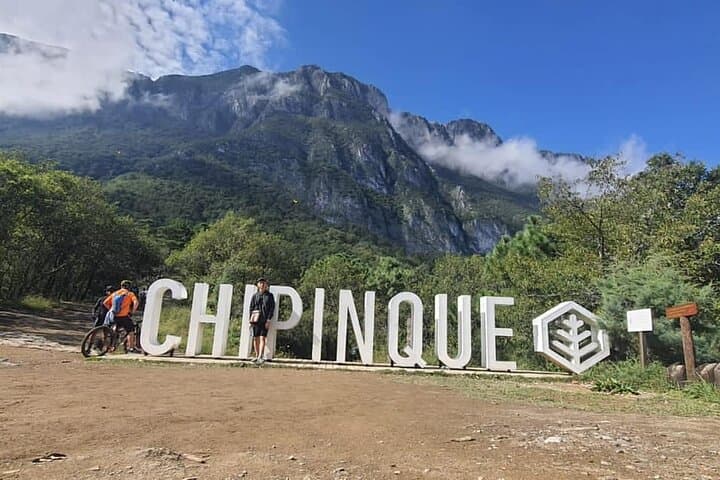
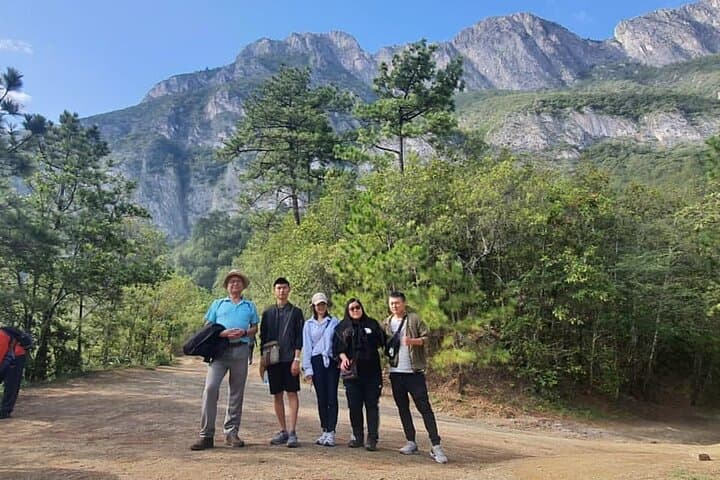
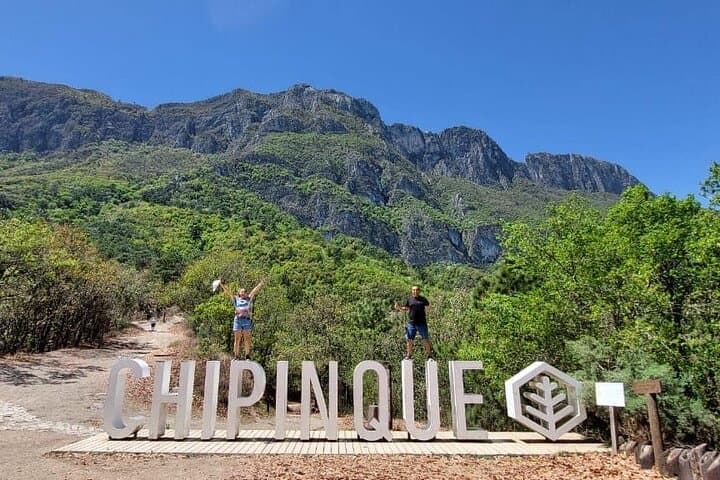
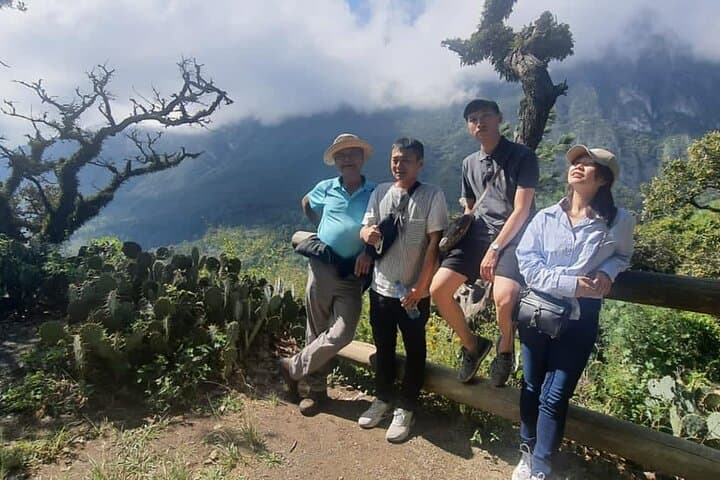
A pre-dawn city hum gives way to a different rhythm as the vehicle climbs out of Monterrey and into the Sierra Madre Oriental. Within minutes glass towers shrink and the air thins; pine needles and dry scrub replace concrete. On this full-day tour, the trail and the guide set the tempo: a steady 12-kilometre loop that threads ridge and arroyo, punctuated by lookout points where the city below feels both distant and absurdly close.
A pre-dawn city hum gives way to a different rhythm as the vehicle climbs out of Monterrey and into the Sierra Madre Oriental. Within minutes glass towers shrink and the air thins; pine needles and dry scrub replace concrete. On this full-day tour, the trail and the guide set the tempo: a steady 12-kilometre loop that threads ridge and arroyo, punctuated by lookout points where the city below feels both distant and absurdly close.
Chipinque is part of a larger protected corridor that helped define Monterrey’s relationship with its mountains. Geologically the park is limestone and volcanic rock scarred by erosion, which creates abrupt ridgelines and small cliffs—features that give the trails their ups and downs and the views their drama. Culturally, Chipinque has been a public escape since the mid-20th century, when local conservation efforts pushed to protect these slopes from development; today visitors come for exercise and perspective alike.
The guide leads on well-signposted paths, explaining how seasonal rains coax out the desert scrub and how the cooler northern slopes harbor pines. Wildlife is curious rather than elusive: rock squirrels dart across switchbacks and white-tailed deer sometimes materialize in sylvan clearings, flattening the hair on the back of your neck with sudden presence. The tour pauses at El Mirador de la Montaña—an engineered platform that makes the valley below readable: neighborhoods, the grid of Monterrey, and the serrated teeth of surrounding peaks.
Practicalities sit close to the surface. The route covers about 12 kilometres with roughly 600 metres of cumulative ascent on uneven dirt and rock; expect several sustained climbs and a mix of packed trail and loose scree. The operator supplies round-trip transport from most Monterrey hotels and entrance tickets; a breakfast stop is included, and a guide accompanies the hike. Group size is small (up to 12), which keeps the pace conversational and the stops efficient.
Timing matters: mornings are cooler, afternoons can generate gusts and a chance of cloud build-up in late summer. Hydrate before you go, wear supportive footwear, and layer—temperatures can swing by 10–15°C between valley and ridge.
For travelers who want more than a postcard, this tour is a compact immersion: a geology primer, a local ecology lesson, and a readable slice of Monterrey from above. It asks for stamina but rewards with frequently changing terrain and the kinds of lookouts that make even brief trips feel like a proper escape.