THE ADVENTURE COLLECTIVE® · Independent discovery and booking for outdoor travel

Drive Chapman's Peak, stand at the edge of the Cape of Good Hope and watch African penguins shuffle across sun-warmed boulders on this full-day private tour from Cape Town. Expect dramatic coastal views, short walks, and a clear dose of South African maritime and cultural history.
Drive Chapman's Peak, stand at the edge of the Cape of Good Hope and watch African penguins shuffle across sun-warmed boulders on this full-day private tour from Cape Town. Expect dramatic coastal views, short walks, and a clear dose of South African maritime and cultural history.
A sharp Atlantic wind cuts across the coastal road and the van slows as the figure of Table Mountain fades behind the city. Travelers step out at Chapman's Peak Drive and the cliff seems to lean over the ocean, daring the sea to push back. The day's arc moves from the painted facades of Bo-Kaap through fishing harbours and along one of the world's most dramatic shorelines to a small beach where tuxedoed birds shuffle among granite boulders.
Verified experiences and guided adventures in the surrounding area.
Operated by Jah Tours & Travels · Cape Town, Western Cape
A sharp Atlantic wind cuts across the coastal road and the van slows as the figure of Table Mountain fades behind the city. Travelers step out at Chapman's Peak Drive and the cliff seems to lean over the ocean, daring the sea to push back. The day's arc moves from the painted facades of Bo-Kaap through fishing harbours and along one of the world's most dramatic shorelines to a small beach where tuxedoed birds shuffle among granite boulders.
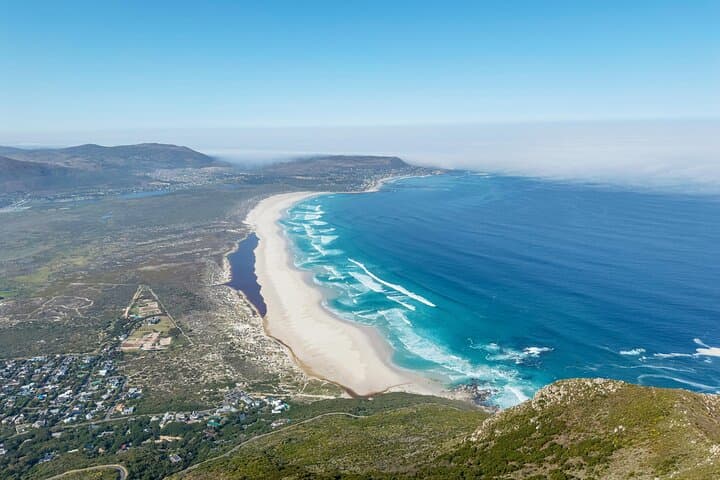
This full-day excursion threads together Cape Town's human stories and the geology that shaped them. Bo-Kaap's cobbled streets echo centuries of Cape Malay culture—spices, mosque domes, and houses painted in bright, defiant color after emancipation. The Cape Peninsula itself is an exposed edge of ancient rock: Table Mountain Group sandstone juts above older granite, sculpted by wind, waves and time into the cliffs that define Chapman's Peak.
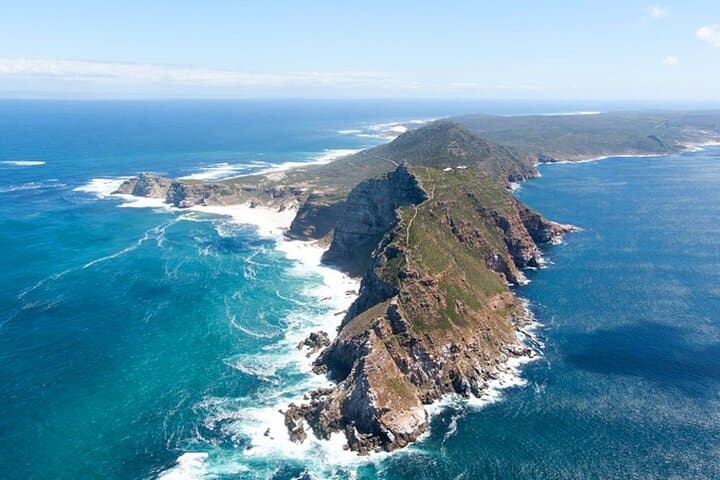
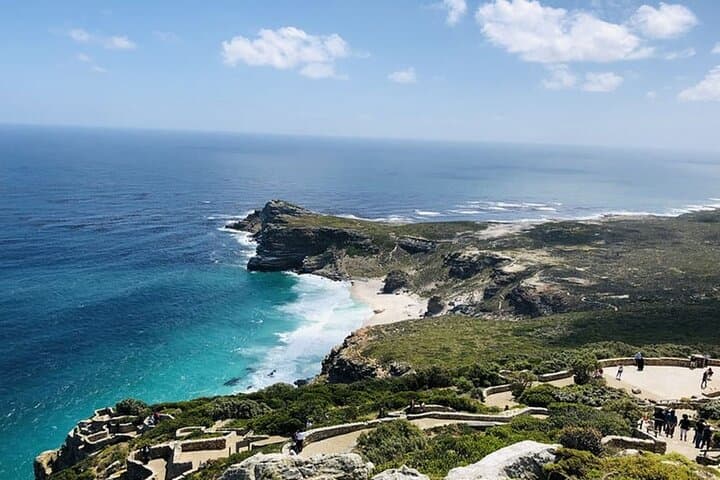
At the Cape of Good Hope and nearby Cape Point, the land leans into the ocean. Sailors once feared these capes; Bartolomeu Dias and later explorers mapped these hazards and, in doing so, helped connect Europe to the East. Today the reserve protects the Cape Floral Kingdom—fynbos scrub that looks fragile from a distance but holds remarkable diversity up close.
Halfway through the day, a quieter scene arrives at Boulders Beach. Wooden boardwalks keep visitors at a respectful distance while African penguins—small, vocal, and boldly inquisitive—carve out a colonial life amid smooth granite boulders. Guides and park staff enforce rules here for a reason: the colony is recovering but still vulnerable to disturbance and pollution.
Practical guidance is straightforward. The tour runs roughly 7–8 hours with hotel pickup in Cape Town; expect a mix of short walks and boardwalks rather than strenuous hiking. Bring a windproof layer—the coast can flip from sun to squall in minutes—comfortable walking shoes for uneven paths, and a refillable water bottle. Cameras and binoculars reward the patient: Cape Point's cliffs and the penguins at Boulders are as photogenic as guidebooks promise, but wildlife is unpredictable—quiet, slow approach wins every time.
Timely choices make the difference: start early to avoid midafternoon crowds on Chapman's Peak, and plan the Boulders Beach visit for midday when penguins are often most active. Respect signage, support entrance fees—the tolls and park charges fund ongoing conservation—and leave no trace; the reserve's plants and wildlife depend on it. By day's end you'll have moved from vibrant neighborhoods to the raw edge of the continent, and the coastline will feel less like a line on a map and more like a place that keeps pushing you to look further.
easy.
7–8 hours.
Suitable for travelers in light to moderate physical condition; includes short walks and boardwalks but no strenuous climbs.
The tour runs approximately 7–8 hours and includes hotel pickup and drop-off within a 5 km radius of Cape Town City Centre.
Entrance to Cape Point/Cape of Good Hope and Boulders Beach is included, as well as the Chapman's Peak toll.
Boardwalks keep visitors at a safe distance; touching or feeding penguins is prohibited to protect the colony.
Yes—walks are short and largely on boardwalks or paved paths; the tour is described as suitable for all fitness levels.
Wear layers: a windproof shell, comfortable walking shoes, and sun protection; bring a light scarf or beanie in cooler months.
The Cape of Good Hope is commonly described as where the oceans meet, but ocean currents and the official meeting point lie farther east at Cape Agulhas; the reserve still offers powerful coastal views.
The Cape was a global maritime crossroads from the 15th century—explorers mapped these hazards and coastal villages grew around fishing and trade.
Entrance fees and park management support fynbos restoration and penguin rehabilitation; visitors should stick to paths and avoid single-use plastics to reduce stress on wildlife.
Jah Tours & Travels operates guided outdoor trips and adventures with an emphasis on safety, stewardship, and memorable experiences.
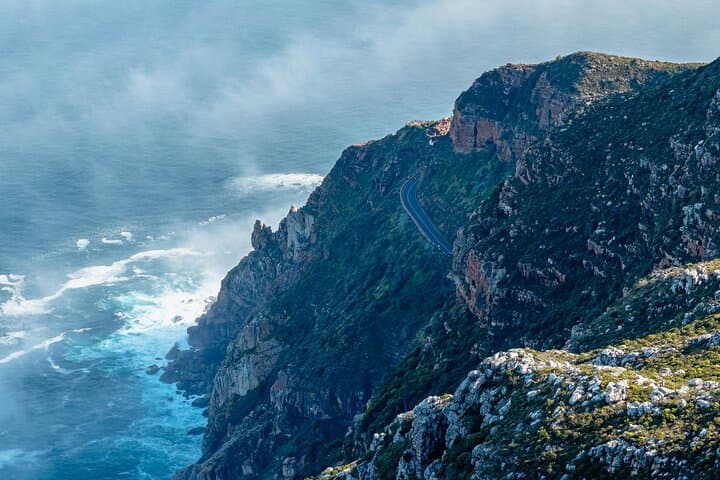
A sharp Atlantic wind cuts across the coastal road and the van slows as the figure of Table Mountain fades behind the city. Travelers step out at Chapman's Peak Drive and the cliff seems to lean over the ocean, daring the sea to push back. The day's arc moves from the painted facades of Bo-Kaap through fishing harbours and along one of the world's most dramatic shorelines to a small beach where tuxedoed birds shuffle among granite boulders.
A sharp Atlantic wind cuts across the coastal road and the van slows as the figure of Table Mountain fades behind the city. Travelers step out at Chapman's Peak Drive and the cliff seems to lean over the ocean, daring the sea to push back. The day's arc moves from the painted facades of Bo-Kaap through fishing harbours and along one of the world's most dramatic shorelines to a small beach where tuxedoed birds shuffle among granite boulders.
This full-day excursion threads together Cape Town's human stories and the geology that shaped them. Bo-Kaap's cobbled streets echo centuries of Cape Malay culture—spices, mosque domes, and houses painted in bright, defiant color after emancipation. The Cape Peninsula itself is an exposed edge of ancient rock: Table Mountain Group sandstone juts above older granite, sculpted by wind, waves and time into the cliffs that define Chapman's Peak.
At the Cape of Good Hope and nearby Cape Point, the land leans into the ocean. Sailors once feared these capes; Bartolomeu Dias and later explorers mapped these hazards and, in doing so, helped connect Europe to the East. Today the reserve protects the Cape Floral Kingdom—fynbos scrub that looks fragile from a distance but holds remarkable diversity up close.
Halfway through the day, a quieter scene arrives at Boulders Beach. Wooden boardwalks keep visitors at a respectful distance while African penguins—small, vocal, and boldly inquisitive—carve out a colonial life amid smooth granite boulders. Guides and park staff enforce rules here for a reason: the colony is recovering but still vulnerable to disturbance and pollution.
Practical guidance is straightforward. The tour runs roughly 7–8 hours with hotel pickup in Cape Town; expect a mix of short walks and boardwalks rather than strenuous hiking. Bring a windproof layer—the coast can flip from sun to squall in minutes—comfortable walking shoes for uneven paths, and a refillable water bottle. Cameras and binoculars reward the patient: Cape Point's cliffs and the penguins at Boulders are as photogenic as guidebooks promise, but wildlife is unpredictable—quiet, slow approach wins every time.
Timely choices make the difference: start early to avoid midafternoon crowds on Chapman's Peak, and plan the Boulders Beach visit for midday when penguins are often most active. Respect signage, support entrance fees—the tolls and park charges fund ongoing conservation—and leave no trace; the reserve's plants and wildlife depend on it. By day's end you'll have moved from vibrant neighborhoods to the raw edge of the continent, and the coastline will feel less like a line on a map and more like a place that keeps pushing you to look further.