THE ADVENTURE COLLECTIVE® · Independent discovery and booking for outdoor travel

Drive one of the world's most scenic coastal roads, climb to Cape Point's lighthouse on the Flying Dutchman funicular, and meet the comical African penguins at Boulders Beach in a single action-packed day from Cape Town.
Drive one of the world's most scenic coastal roads, climb to Cape Point's lighthouse on the Flying Dutchman funicular, and meet the comical African penguins at Boulders Beach in a single action-packed day from Cape Town.
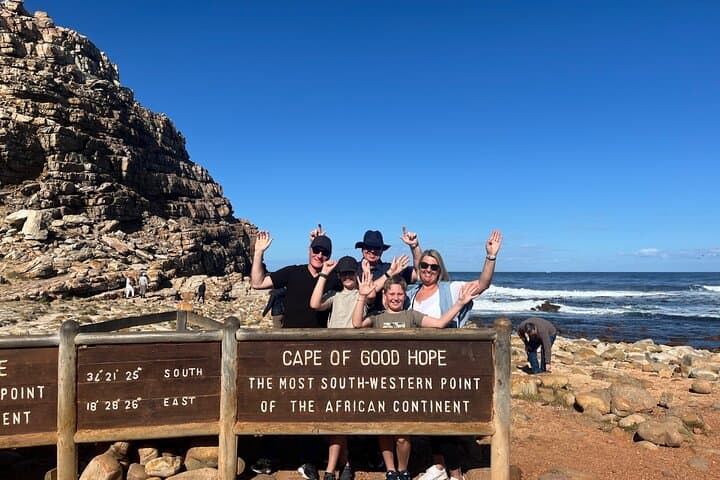
The day begins with Cape Town at its cleanest: air sharp as a bitten apple, the Atlantic crane-windy and bright, sunlight glancing off the white caps as the minibus slides past Clifton's flat granite shelves. Guests watch the 12 Apostles ridge fold into the sea, then the road drops into Camps Bay where palms lean toward the water as if listening. From here the tour becomes a coastal conversation—Chapman's Peak carving ribboned turns into jaw-wide views, Noordhoek's long beach, and the slow, distinctive hush of Cape Point's cliffs.
Verified experiences and guided adventures in the surrounding area.
Operated by Cape Premier Travel · Cape Town, Western Cape
The day begins with Cape Town at its cleanest: air sharp as a bitten apple, the Atlantic crane-windy and bright, sunlight glancing off the white caps as the minibus slides past Clifton's flat granite shelves. Guests watch the 12 Apostles ridge fold into the sea, then the road drops into Camps Bay where palms lean toward the water as if listening. From here the tour becomes a coastal conversation—Chapman's Peak carving ribboned turns into jaw-wide views, Noordhoek's long beach, and the slow, distinctive hush of Cape Point's cliffs.
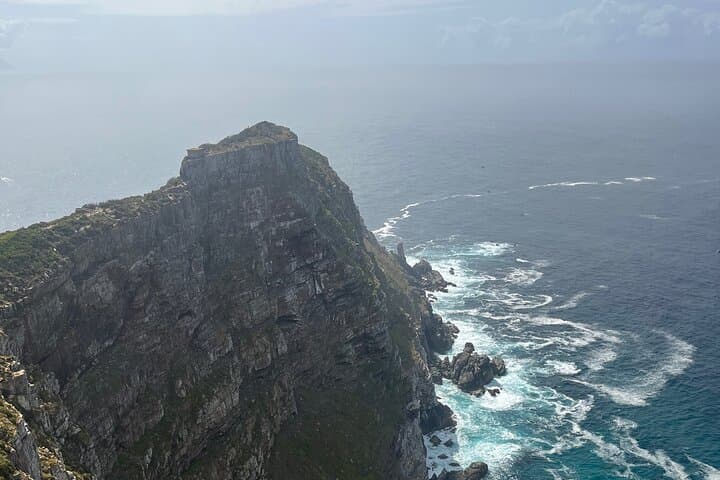
Geology announces itself bluntly along this route. The sandstone backbone of Table Mountain and the Cape Peninsula was pushed up millions of years ago and polished by wind and wave; cliffs here read like pages of time. The Cape Floristic Region, one of the world's six floral kingdoms, plants a low, tough fynbos across the slopes—spiky proteas, aromatic restios—that survive where soil is thin and salt spray is constant.
History rides shot-gun with geology. Early sailors saw this cape as a turning point on the route to the East—Bartolomeu Dias and later Dutch and British navigators left shipwrecks in the ledger of these shoals. Simon's Town preserves a naval past in its century-old buildings; Kalk Bay and Muizenberg are small harbor towns that sustained fishing communities and surf culture long before tourism arrived.
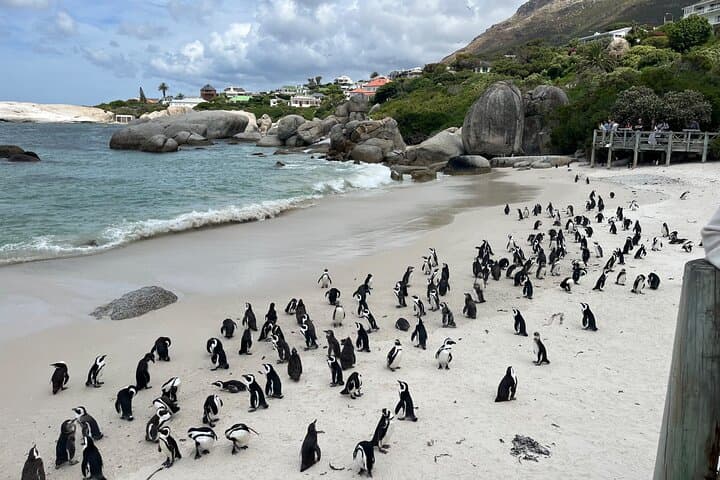
Wildlife here acts like a local: dependent, curious, sometimes stubborn. The African penguin colony at Boulders Beach waddles to the sea on established paths; chacma baboons pace the reserve and remind visitors to keep doors and bags closed. Conservation is visible too—fencing, signage, and a steady effort to protect breeding sites and clear invasive species from fynbos.
Practical guidance matters on a route that stitches together short walks and long drives. The full-day tour runs about eight hours with pickup in Cape Town; the operator provides an air-conditioned vehicle, bottled water, and a registered guide. Chapman's Peak Drive is tolled. At Cape Point, consider the funicular to the old lighthouse—the Flying Dutchman saves a steep climb and is optional. Expect short walks of 15–45 minutes on uneven paths and a few stairs at viewpoints and boardwalks. Lunch is typically a stop in Simon's Town; bring a light cash or card for meals and reserve time to wander the penguin boardwalk without rushing.
Pack a windproof layer, sun protection, sturdy shoes, and a camera with a zoom. Take binoculars for the cliffs and keep a respectful distance from wildlife—no feeding, no touching. For photographers, golden hour along Chapman's Peak and the late afternoon light at Cape Point are rewarding; Boulders' boardwalk gives close-up penguin portraits without disturbing the colony.
This is a day where geology, history, and wildlife intersect—equal parts landscape and living culture—best experienced by paying attention: to the road, to the guide, and to the small, resilient things that make the Cape unique.
easy.
8 hours.
Low to moderate fitness required: mostly vehicle-based with short walks (15–45 minutes) and a few stair sections.
Yes; the colony is resident year-round, though numbers and activity vary with breeding seasons—early morning and late afternoon are active times.
Yes; the tour notes stroller access and is family-friendly, but expect uneven boardwalks and short stair sections at some viewpoints.
Entrance to Cape Point Nature Reserve is typically payable at the gate and is not usually included—bring card or cash to cover the fee.
Marine sightings are possible, especially in whale season (June–November) from elevated vantage points, but they are not guaranteed.
No; the tour includes a stop for lunch in Simon's Town where you can buy local seafood and café fare (not included in the booking price).
Yes; rockfalls or severe weather can close the scenic drive. Operators usually reroute if necessary—ask your guide to confirm current status before departure.
The cape was a major waypoint for Portuguese and later European sailors; Simon's Town grew as a naval base and fishing village tied to that maritime past.
The Cape Floristic Region is globally significant and sensitive—stay on marked paths, avoid feeding wildlife, and follow reserve rules to limit human impact.
Cape Premier Travel operates guided outdoor trips and adventures with an emphasis on safety, stewardship, and memorable experiences.
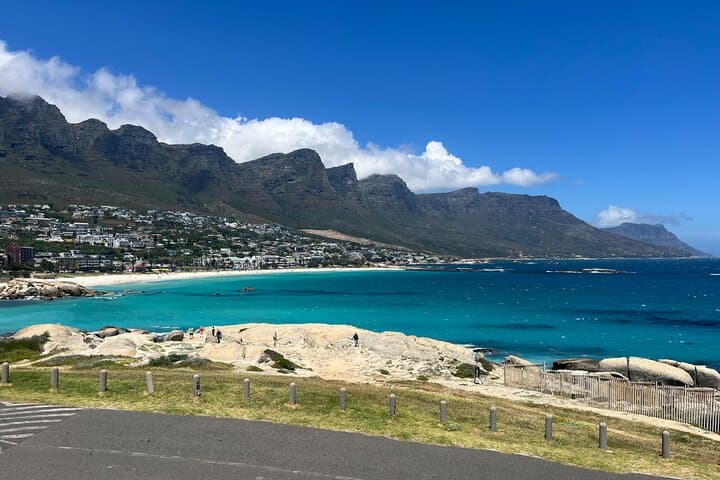
The day begins with Cape Town at its cleanest: air sharp as a bitten apple, the Atlantic crane-windy and bright, sunlight glancing off the white caps as the minibus slides past Clifton's flat granite shelves. Guests watch the 12 Apostles ridge fold into the sea, then the road drops into Camps Bay where palms lean toward the water as if listening. From here the tour becomes a coastal conversation—Chapman's Peak carving ribboned turns into jaw-wide views, Noordhoek's long beach, and the slow, distinctive hush of Cape Point's cliffs.
The day begins with Cape Town at its cleanest: air sharp as a bitten apple, the Atlantic crane-windy and bright, sunlight glancing off the white caps as the minibus slides past Clifton's flat granite shelves. Guests watch the 12 Apostles ridge fold into the sea, then the road drops into Camps Bay where palms lean toward the water as if listening. From here the tour becomes a coastal conversation—Chapman's Peak carving ribboned turns into jaw-wide views, Noordhoek's long beach, and the slow, distinctive hush of Cape Point's cliffs.
Geology announces itself bluntly along this route. The sandstone backbone of Table Mountain and the Cape Peninsula was pushed up millions of years ago and polished by wind and wave; cliffs here read like pages of time. The Cape Floristic Region, one of the world's six floral kingdoms, plants a low, tough fynbos across the slopes—spiky proteas, aromatic restios—that survive where soil is thin and salt spray is constant.
History rides shot-gun with geology. Early sailors saw this cape as a turning point on the route to the East—Bartolomeu Dias and later Dutch and British navigators left shipwrecks in the ledger of these shoals. Simon's Town preserves a naval past in its century-old buildings; Kalk Bay and Muizenberg are small harbor towns that sustained fishing communities and surf culture long before tourism arrived.
Wildlife here acts like a local: dependent, curious, sometimes stubborn. The African penguin colony at Boulders Beach waddles to the sea on established paths; chacma baboons pace the reserve and remind visitors to keep doors and bags closed. Conservation is visible too—fencing, signage, and a steady effort to protect breeding sites and clear invasive species from fynbos.
Practical guidance matters on a route that stitches together short walks and long drives. The full-day tour runs about eight hours with pickup in Cape Town; the operator provides an air-conditioned vehicle, bottled water, and a registered guide. Chapman's Peak Drive is tolled. At Cape Point, consider the funicular to the old lighthouse—the Flying Dutchman saves a steep climb and is optional. Expect short walks of 15–45 minutes on uneven paths and a few stairs at viewpoints and boardwalks. Lunch is typically a stop in Simon's Town; bring a light cash or card for meals and reserve time to wander the penguin boardwalk without rushing.
Pack a windproof layer, sun protection, sturdy shoes, and a camera with a zoom. Take binoculars for the cliffs and keep a respectful distance from wildlife—no feeding, no touching. For photographers, golden hour along Chapman's Peak and the late afternoon light at Cape Point are rewarding; Boulders' boardwalk gives close-up penguin portraits without disturbing the colony.
This is a day where geology, history, and wildlife intersect—equal parts landscape and living culture—best experienced by paying attention: to the road, to the guide, and to the small, resilient things that make the Cape unique.