THE ADVENTURE COLLECTIVE® · Independent discovery and booking for outdoor travel

Drive one of the world’s most dramatic coastal roads, ride the Cape Point funicular to ocean vistas, and meet a colony of African penguins at Boulders Beach. This full-day loop from Cape Town combines geology, wildlife, and maritime history in a single, accessible itinerary.
Drive one of the world’s most dramatic coastal roads, ride the Cape Point funicular to ocean vistas, and meet a colony of African penguins at Boulders Beach. This full-day loop from Cape Town combines geology, wildlife, and maritime history in a single, accessible itinerary.
The tour begins before the city heat builds, when the Atlantic still wears a morning glass.
You step into a modern, air-conditioned vehicle and the road unspools—first through suburbs, then along the ocean’s edge where cliffs tilt into surf. Chapman’s Peak Drive rises and falls with 114 carved curves; the sea keeps time below, daring you to look over the guardrail and breathe it all in.
Verified experiences and guided adventures in the surrounding area.
Operated by Zithelo Travels Services · Cape Town, Western Cape
The tour begins before the city heat builds, when the Atlantic still wears a morning glass.
You step into a modern, air-conditioned vehicle and the road unspools—first through suburbs, then along the ocean’s edge where cliffs tilt into surf. Chapman’s Peak Drive rises and falls with 114 carved curves; the sea keeps time below, daring you to look over the guardrail and breathe it all in.
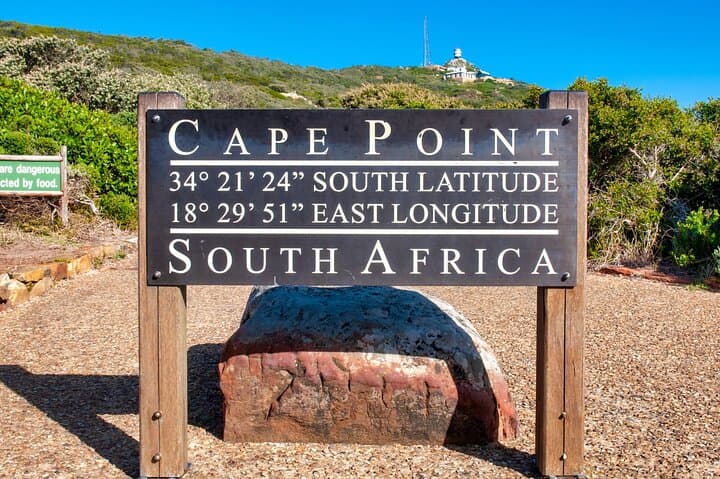
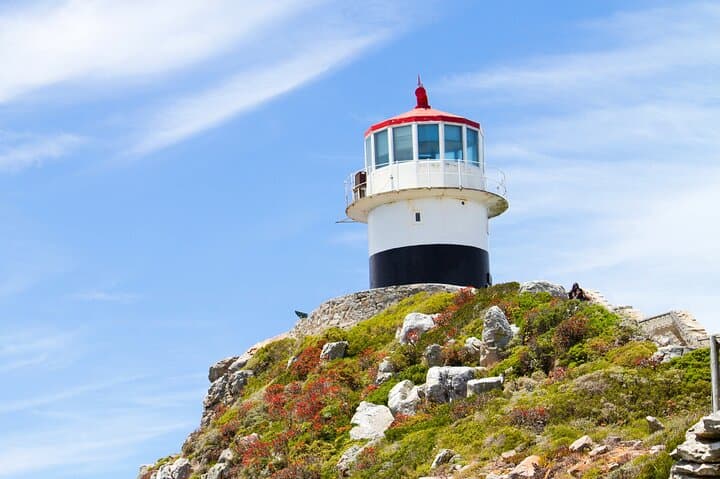
By midmorning you’ll be at Cape Point, the wind of two oceans pressing at the headland. The funicular eases you toward the lighthouse, and from that exposed ridge the view reads like a map of geology: waves eroding sandstone benches, granite outcrops holding their ground, and the coastline folding into coves where kelp forests pull the current. Wildlife is part of the scenery—baboons patrol the scrub, and small antelope shelter in fynbos pockets.
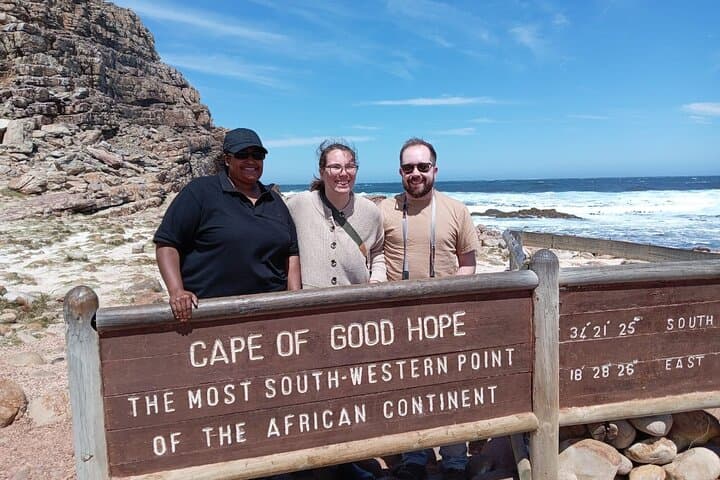
History here is tangible. Cape Point and the Cape of Good Hope were waypoints for sailors since the Age of Discovery; lighthouses, shipwreck plaques, and maritime lore sit alongside indigenous KhoiKhoi place names and the colonial routes that reshaped commerce and culture.
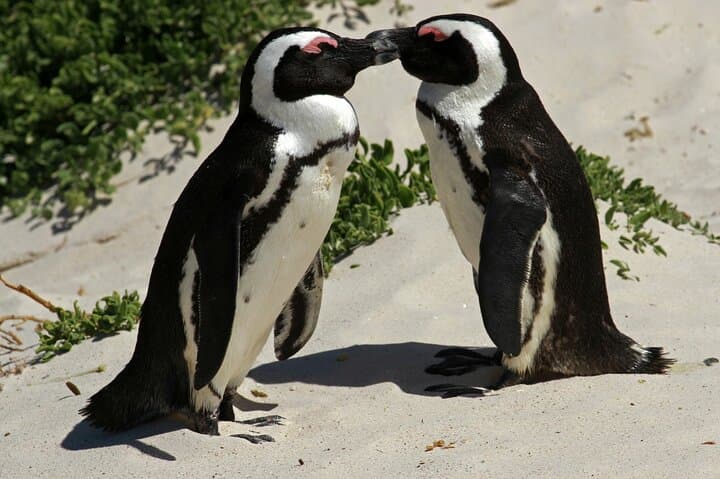
The afternoon softens at Boulders Beach, where a colony of African penguins owns a string of sheltered coves. Wooden boardwalks keep human footsteps out of nesting zones so the birds can go about their theatrical, tuxedoed routines—preening, porpoising, and shuffling on sand warmed by sun.
A quick stop at Muizenberg gives beginners a chance to catch small Atlantic rollers beneath colorful huts, and the route back to Cape Town dips through neighborhoods where seafood kiosks and fish markets remind you this is a working coast.
Practical nuts and bolts: the full loop takes about nine hours with seated transport between sites and timed admissions at the major attractions. Expect a mix of walking on paved paths, stairs at lookouts, and short, uneven coastal trails. Entrance fees are typically extra; the tour includes bottled water, onboard Wi‑Fi, and pickup from hotels or the airport if arranged.
To make the day count, bring layered windproof clothing, sun protection, and sensible shoes for boardwalks and rocky viewpoints. Time your camera for midmorning at Chapman’s Peak and late afternoon at Cape Point for changing light. Respect wildlife distances—penguins and baboons will approach, but feeding or touching disrupts their behavior and attracts fines.
This circuit delivers a compact education in South Africa’s coastal geology, seafaring history, and wildlife—an accessible nine-hour slice of the Cape Peninsula that balances dramatic viewpoints with quiet moments on the sand.
moderate.
9 hours.
Suitable for travelers with moderate fitness—steady walking of short distances, some stairs and uneven ground.
Most major entrance fees (Cape Point, Boulders Beach) are included but confirm at booking since policies can change.
Yes—family-friendly with short walks; infant seats are available and the beaches are calm, but watch wildlife and cliffs closely.
A meal stop is planned (e.g., Two Oceans Restaurant); you can buy food there, but bring snacks if you have dietary needs.
Yes—airport pickups are offered; the meeting point is typically the arrivals section and requires advance arrangement.
Expect African penguins, baboons, and various seabirds; antelope can sometimes be spotted around Cape Point.
Tours can be canceled or rescheduled for severe weather; check the operator’s 24‑hour cancellation policy for full refunds.
The Cape Peninsula has been a strategic maritime waypoint since the 15th century; lighthouses and shipwreck markers recall its role in global trade routes.
Boulders Beach is managed to protect nesting penguins; visitors should stick to boardwalks and avoid disturbing breeding areas to support recovery efforts.
Zithelo Travels Services operates guided outdoor trips and adventures with an emphasis on safety, stewardship, and memorable experiences.
The tour begins before the city heat builds, when the Atlantic still wears a morning glass.
You step into a modern, air-conditioned vehicle and the road unspools—first through suburbs, then along the ocean’s edge where cliffs tilt into surf. Chapman’s Peak Drive rises and falls with 114 carved curves; the sea keeps time below, daring you to look over the guardrail and breathe it all in.
By midmorning you’ll be at Cape Point, the wind of two oceans pressing at the headland. The funicular eases you toward the lighthouse, and from that exposed ridge the view reads like a map of geology: waves eroding sandstone benches, granite outcrops holding their ground, and the coastline folding into coves where kelp forests pull the current. Wildlife is part of the scenery—baboons patrol the scrub, and small antelope shelter in fynbos pockets.
History here is tangible. Cape Point and the Cape of Good Hope were waypoints for sailors since the Age of Discovery; lighthouses, shipwreck plaques, and maritime lore sit alongside indigenous KhoiKhoi place names and the colonial routes that reshaped commerce and culture.
The afternoon softens at Boulders Beach, where a colony of African penguins owns a string of sheltered coves. Wooden boardwalks keep human footsteps out of nesting zones so the birds can go about their theatrical, tuxedoed routines—preening, porpoising, and shuffling on sand warmed by sun.
A quick stop at Muizenberg gives beginners a chance to catch small Atlantic rollers beneath colorful huts, and the route back to Cape Town dips through neighborhoods where seafood kiosks and fish markets remind you this is a working coast.
Practical nuts and bolts: the full loop takes about nine hours with seated transport between sites and timed admissions at the major attractions. Expect a mix of walking on paved paths, stairs at lookouts, and short, uneven coastal trails. Entrance fees are typically extra; the tour includes bottled water, onboard Wi‑Fi, and pickup from hotels or the airport if arranged.
To make the day count, bring layered windproof clothing, sun protection, and sensible shoes for boardwalks and rocky viewpoints. Time your camera for midmorning at Chapman’s Peak and late afternoon at Cape Point for changing light. Respect wildlife distances—penguins and baboons will approach, but feeding or touching disrupts their behavior and attracts fines.
This circuit delivers a compact education in South Africa’s coastal geology, seafaring history, and wildlife—an accessible nine-hour slice of the Cape Peninsula that balances dramatic viewpoints with quiet moments on the sand.