THE ADVENTURE COLLECTIVE® · Independent discovery and booking for outdoor travel

Spend a day skirted by ocean and mountains on the Cape Peninsula: drive Chapman's Peak, wander the penguin boardwalk at Boulders Beach, and hike to the Cape of Good Hope with a guide. This full-day tour packs seaside panoramas, brief hikes, and wildlife viewing into a single, well-paced outing from Cape Town.
Spend a day skirted by ocean and mountains on the Cape Peninsula: drive Chapman's Peak, wander the penguin boardwalk at Boulders Beach, and hike to the Cape of Good Hope with a guide. This full-day tour packs seaside panoramas, brief hikes, and wildlife viewing into a single, well-paced outing from Cape Town.
The morning air off the Atlantic feels colder than the map suggests as the van peels away from Cape Town and the Twelve Apostles slide past like a folded coastline. Salt and mountain fynbos mix in the same breath; gulls ride the wind while the road climbs toward Chapman's Peak, a ribbon of asphalt carved out of sheer rock that insists you stop and look.
Verified experiences and guided adventures in the surrounding area.
Operated by Trams Tours(Pty)Ltd · Cape Town, Western Cape
The morning air off the Atlantic feels colder than the map suggests as the van peels away from Cape Town and the Twelve Apostles slide past like a folded coastline. Salt and mountain fynbos mix in the same breath; gulls ride the wind while the road climbs toward Chapman's Peak, a ribbon of asphalt carved out of sheer rock that insists you stop and look.
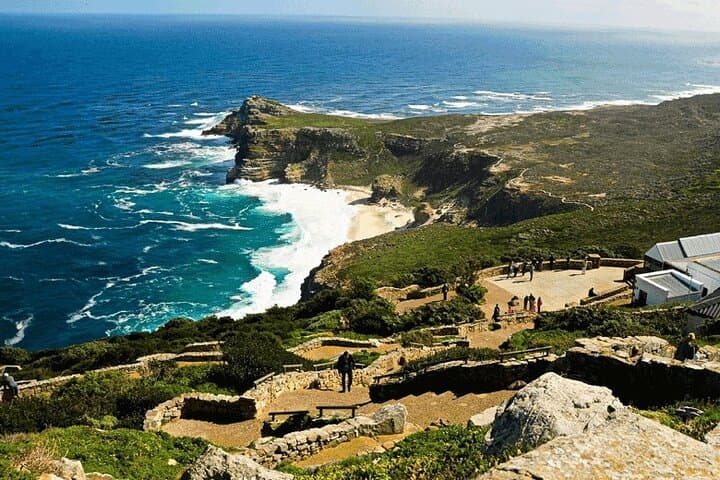
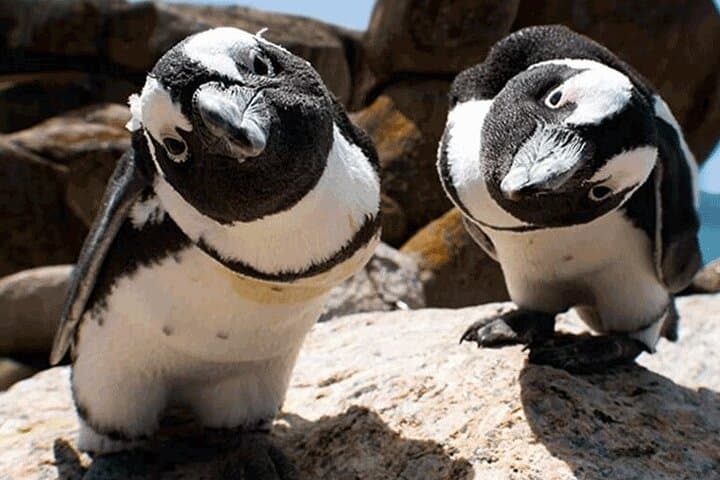
This full-day loop is a masterclass in contrasts: manicured beachfronts of Camps Bay give way to the naval hush of Simon’s Town, then to the raw cliffs of Cape Point where the ocean appears to argue with itself. At Boulders Beach, colonies of African (jackass) penguins patrol a grid of granite boulders—small, comical, unmistakably alive. Guides stitch together geology and maritime history, pointing out shipwreck-prone reefs, the 19th-century lighthouse at Cape Point, and the botanical oddity of fynbos—7,000 plant species packed into a land as compact as a city.
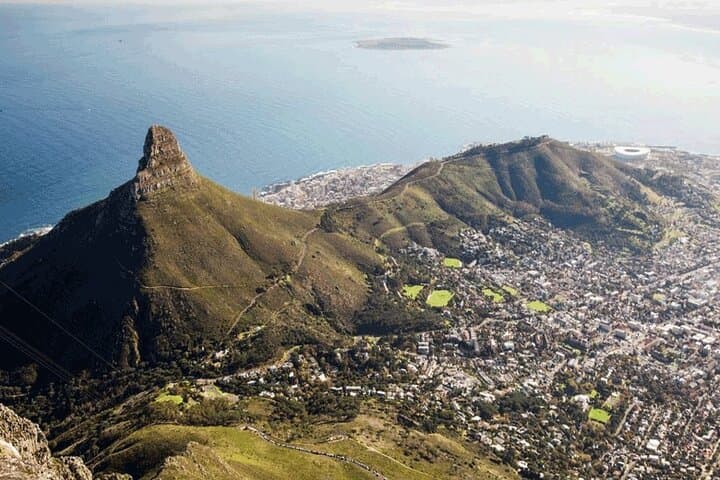
Geology here is blunt and theatrical: Table Mountain’s sandstone is older than the Atlantic swell, and the Cape Fold Belt folds the coastline into steep ridges and plunging valleys. Culturally, the route traces colonial trade routes and the long human relationship with the sea—naval outposts, whaling histories, and modern conservation efforts that protect fragile penguin populations.
Expect a balanced day: scenic drives, short hikes (the lighthouse and a 45-minute walk to the Cape of Good Hope), a picnic lunch in Cape Point Nature Reserve, and time to wander the boardwalk at Boulders Beach. The trip moves at a practical pace—long enough to feel like an outing, measured enough that you return to Cape Town before dusk.
Practical pointers: arrive with layered clothing; wind can make summer feel wintery on exposed headlands. Shoes with good traction matter for sandy boardwalks and rocky steps. Bring a small amount of cash for optional extras—boat trips at Hout Bay to see the seal colony are voluntary but memorable. If you plan to photograph wildlife, keep distance and use a zoom lens—penguins are habituated but protected.
This tour is ideal for first-time visitors who want a compact, interpretive overview of the Cape Peninsula’s natural highlights. It isn’t a technical hike but it rewards curiosity—ask your guide about endemic plants, local conservation initiatives, and the best time of day to catch sunlight skimming the Atlantic. In a single day you’ll see the city’s coastal personality changed into something older and wilder, where the ocean does the talking and the shore answers in stones and birds.
moderate.
9 hours (full day).
Moderate fitness; able to walk up to 45 minutes on uneven paths and manage short stair sections.
The tour runs about 9 hours; it combines scenic drives with short stops and a 45-minute hike to the Cape of Good Hope—paced for most fitness levels.
Penguins at Boulders Beach are resident but wildlife sightings are never guaranteed; visits typically offer reliable viewing from boardwalks.
Admission to Cape Point Nature Reserve is typically included in tour logistics—confirm at booking as policies can change.
Yes—pickup and drop-off from many Cape Town accommodations are offered; check the pickup list when booking or notify the operator if your hotel isn't listed.
Yes—there are restroom facilities at major stops and a picnic lunch is provided; additional snacks and meals are available at reserve cafes or nearby towns.
The tour is family-friendly but not recommended for pregnant travelers or those with serious back or heart conditions due to walking and variable terrain.
The Cape Point area has long been a navigational landmark; European sailors charted the rocky headlands during the Age of Exploration and the reserve preserves maritime history tied to those routes.
The African penguin has faced steep declines; local reserves and boardwalk protections aim to reduce human disturbance while supporting habitat restoration.
Trams Tours(Pty)Ltd operates guided outdoor trips and adventures with an emphasis on safety, stewardship, and memorable experiences.
The morning air off the Atlantic feels colder than the map suggests as the van peels away from Cape Town and the Twelve Apostles slide past like a folded coastline. Salt and mountain fynbos mix in the same breath; gulls ride the wind while the road climbs toward Chapman's Peak, a ribbon of asphalt carved out of sheer rock that insists you stop and look.
The morning air off the Atlantic feels colder than the map suggests as the van peels away from Cape Town and the Twelve Apostles slide past like a folded coastline. Salt and mountain fynbos mix in the same breath; gulls ride the wind while the road climbs toward Chapman's Peak, a ribbon of asphalt carved out of sheer rock that insists you stop and look.
This full-day loop is a masterclass in contrasts: manicured beachfronts of Camps Bay give way to the naval hush of Simon’s Town, then to the raw cliffs of Cape Point where the ocean appears to argue with itself. At Boulders Beach, colonies of African (jackass) penguins patrol a grid of granite boulders—small, comical, unmistakably alive. Guides stitch together geology and maritime history, pointing out shipwreck-prone reefs, the 19th-century lighthouse at Cape Point, and the botanical oddity of fynbos—7,000 plant species packed into a land as compact as a city.
Geology here is blunt and theatrical: Table Mountain’s sandstone is older than the Atlantic swell, and the Cape Fold Belt folds the coastline into steep ridges and plunging valleys. Culturally, the route traces colonial trade routes and the long human relationship with the sea—naval outposts, whaling histories, and modern conservation efforts that protect fragile penguin populations.
Expect a balanced day: scenic drives, short hikes (the lighthouse and a 45-minute walk to the Cape of Good Hope), a picnic lunch in Cape Point Nature Reserve, and time to wander the boardwalk at Boulders Beach. The trip moves at a practical pace—long enough to feel like an outing, measured enough that you return to Cape Town before dusk.
Practical pointers: arrive with layered clothing; wind can make summer feel wintery on exposed headlands. Shoes with good traction matter for sandy boardwalks and rocky steps. Bring a small amount of cash for optional extras—boat trips at Hout Bay to see the seal colony are voluntary but memorable. If you plan to photograph wildlife, keep distance and use a zoom lens—penguins are habituated but protected.
This tour is ideal for first-time visitors who want a compact, interpretive overview of the Cape Peninsula’s natural highlights. It isn’t a technical hike but it rewards curiosity—ask your guide about endemic plants, local conservation initiatives, and the best time of day to catch sunlight skimming the Atlantic. In a single day you’ll see the city’s coastal personality changed into something older and wilder, where the ocean does the talking and the shore answers in stones and birds.