THE ADVENTURE COLLECTIVE® · Independent discovery and booking for outdoor travel

A full-day excursion from Siem Reap that combines the quirky bamboo train, the 11th-century Banan temple, and the caves of Phnom Sampeou. Expect a long but approachable day of short climbs, dirt tracks and rich cultural context.
A full-day excursion from Siem Reap that combines the quirky bamboo train, the 11th-century Banan temple, and the caves of Phnom Sampeou. Expect a long but approachable day of short climbs, dirt tracks and rich cultural context.
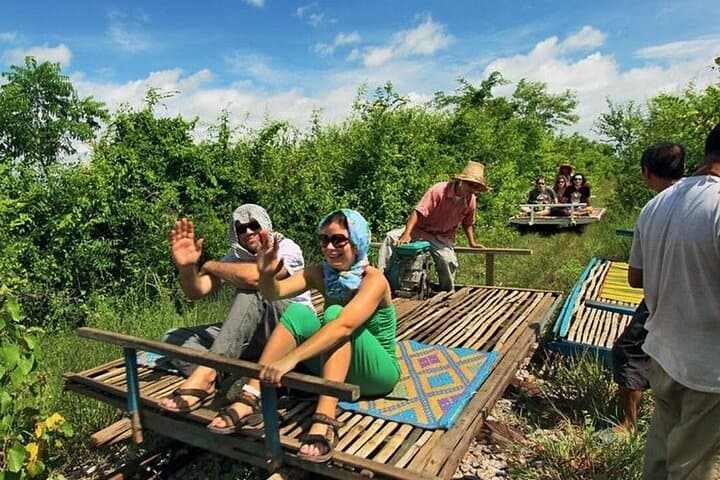
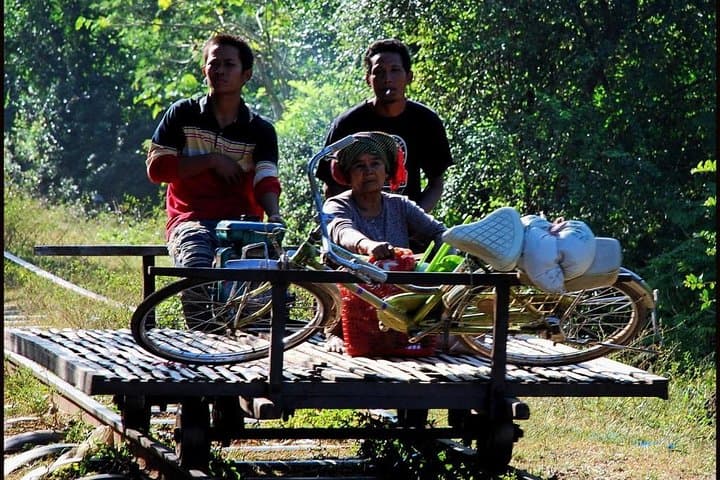
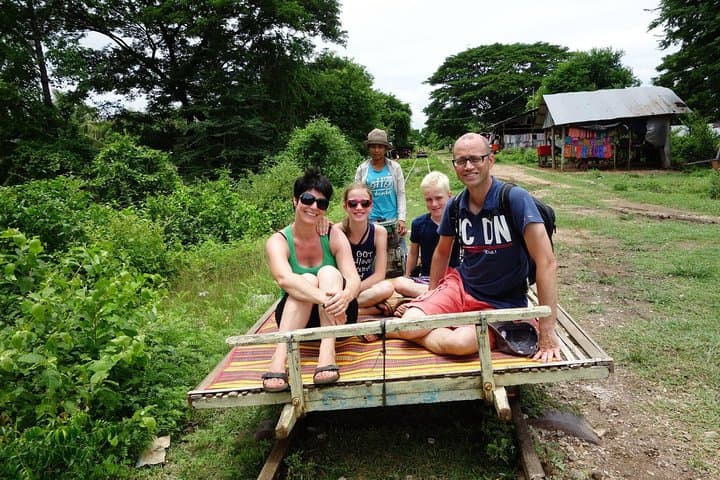
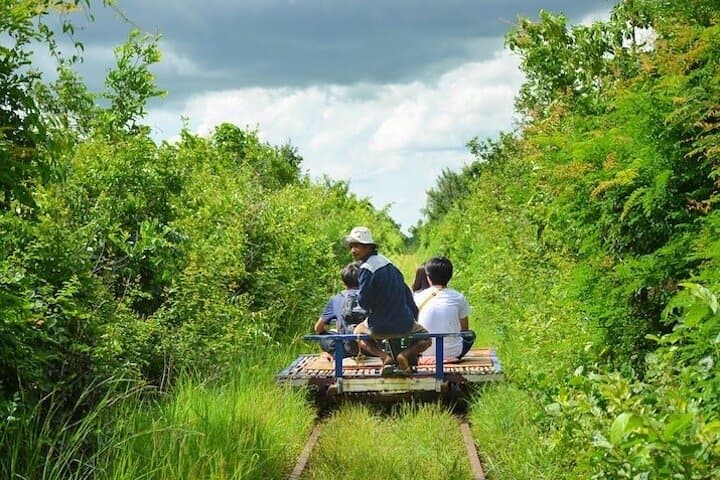
You leave Siem Reap before sunrise and cross a patchwork of rice paddies until Battambang appears: low colonial roofs, river bends and a distant temple ridge. The bamboo train welcomes you with a simple, clever clack of bamboo slats on metal wheels; speed and sky negotiate as fields blur past. Higher up, Phnom Banan perches above the valley — laterite steps and compact lateritic blocks telling a story of 11th–12th century Khmer builders. Caves at Phnom Sampeou hold quieter, rawer memories: small caverns, a hillside pagoda, and at one site the dark traces of Cambodia's recent past.
Verified experiences and guided adventures in the surrounding area.
Operated by SARUS Co., Ltd · Battambang, Battambang Province
You leave Siem Reap before sunrise and cross a patchwork of rice paddies until Battambang appears: low colonial roofs, river bends and a distant temple ridge. The bamboo train welcomes you with a simple, clever clack of bamboo slats on metal wheels; speed and sky negotiate as fields blur past. Higher up, Phnom Banan perches above the valley — laterite steps and compact lateritic blocks telling a story of 11th–12th century Khmer builders. Caves at Phnom Sampeou hold quieter, rawer memories: small caverns, a hillside pagoda, and at one site the dark traces of Cambodia's recent past.
Battambang is one of Cambodia’s oldest provinces, established around the 11th century; its name literally evokes the folk tale of a thrown wooden staff that landed here. Geology shifts from alluvial plains to low sandstone and laterite ridges; human history crops up in French-colonial facades downtown and Angkor-period temple masonry on the hill. The bamboo train — a locally improvised norry — is a cultural snapshot of resourceful transport on metre-gauge lines.
Practically: this is a full-day, 10–12 hour trip best started early. Expect short, steep stone stair sections at Banan (about a 400 m rise to the temple), brief cave walking on uneven footing, and stretches on dirt roads for the bamboo train. Bring sun protection, insect repellent, modest clothing for temple visits, and small bills for market purchases. Guides arrange hotel pickup and an air-conditioned vehicle; plan for a long but low‑impact day that mixes heritage, rural life and fast, hand-built transport.
moderate.
10–12 hours.
Suitable for travelers in average fitness; involves short steep climbs (temple steps) and some uneven cave footing.
Meals are not listed as included; plan to bring snacks or small cash to buy food at local stops or arrange a lunch with your guide.
The bamboo train is an improvised local vehicle operated by experienced locals; riders accept simple safety norms—keep hands and feet clear of the track and follow the operator's instructions.
Yes—this tour typically includes free hotel pickup and drop-off from Siem Reap; confirm your pickup location when booking.
Full refund is generally available if you cancel at least 24 hours before departure; confirm specific terms at booking.
Battambang was founded around the 11th century and its name comes from a Khmer folktale about a lost wooden staff; the area carries layers from Angkorian temple building to French-colonial urban planning.
Respect cave habitats and historical masonry: avoid touching bas-reliefs, do not feed wildlife, and stick to marked paths—tourism is a key income source but can stress fragile sites.
SARUS Co., Ltd operates guided outdoor trips and adventures with an emphasis on safety, stewardship, and memorable experiences.
You leave Siem Reap before sunrise and cross a patchwork of rice paddies until Battambang appears: low colonial roofs, river bends and a distant temple ridge. The bamboo train welcomes you with a simple, clever clack of bamboo slats on metal wheels; speed and sky negotiate as fields blur past. Higher up, Phnom Banan perches above the valley — laterite steps and compact lateritic blocks telling a story of 11th–12th century Khmer builders. Caves at Phnom Sampeou hold quieter, rawer memories: small caverns, a hillside pagoda, and at one site the dark traces of Cambodia's recent past.
You leave Siem Reap before sunrise and cross a patchwork of rice paddies until Battambang appears: low colonial roofs, river bends and a distant temple ridge. The bamboo train welcomes you with a simple, clever clack of bamboo slats on metal wheels; speed and sky negotiate as fields blur past. Higher up, Phnom Banan perches above the valley — laterite steps and compact lateritic blocks telling a story of 11th–12th century Khmer builders. Caves at Phnom Sampeou hold quieter, rawer memories: small caverns, a hillside pagoda, and at one site the dark traces of Cambodia's recent past.
Battambang is one of Cambodia’s oldest provinces, established around the 11th century; its name literally evokes the folk tale of a thrown wooden staff that landed here. Geology shifts from alluvial plains to low sandstone and laterite ridges; human history crops up in French-colonial facades downtown and Angkor-period temple masonry on the hill. The bamboo train — a locally improvised norry — is a cultural snapshot of resourceful transport on metre-gauge lines.
Practically: this is a full-day, 10–12 hour trip best started early. Expect short, steep stone stair sections at Banan (about a 400 m rise to the temple), brief cave walking on uneven footing, and stretches on dirt roads for the bamboo train. Bring sun protection, insect repellent, modest clothing for temple visits, and small bills for market purchases. Guides arrange hotel pickup and an air-conditioned vehicle; plan for a long but low‑impact day that mixes heritage, rural life and fast, hand-built transport.