THE ADVENTURE COLLECTIVE® · Independent discovery and booking for outdoor travel

A full-day group transfer from Split (or Trogir) to Zagreb that stops for a guided walk through UNESCO-listed Plitvice Lakes. Expect boardwalks, a park train and boat ride, and the 78‑meter Veliki Slap waterfall.
A full-day group transfer from Split (or Trogir) to Zagreb that stops for a guided walk through UNESCO-listed Plitvice Lakes. Expect boardwalks, a park train and boat ride, and the 78‑meter Veliki Slap waterfall.
You leave Split before dawn, the Adriatic light still silver on the highway, and the minivan folds the coastline behind you as the hills of Lika rise. By mid-morning the air changes—cooler, wood-scented, and carrying the faint roar of water—and the first terraces of turquoise appear between firs and limestone cliffs. The boardwalks at Plitvice are theatrical: wooden planks tracing the edges of lakes like a hand following a face, with curtains of water spilling between each terrace.
Verified experiences and guided adventures in the surrounding area.
Operated by Tours in Croatia · Plitvička Jezera, Lika-Senj County
You leave Split before dawn, the Adriatic light still silver on the highway, and the minivan folds the coastline behind you as the hills of Lika rise. By mid-morning the air changes—cooler, wood-scented, and carrying the faint roar of water—and the first terraces of turquoise appear between firs and limestone cliffs. The boardwalks at Plitvice are theatrical: wooden planks tracing the edges of lakes like a hand following a face, with curtains of water spilling between each terrace.
Plitvice Lakes National Park is a study in living geology. Over millennia, mineral-rich springs and moss built travertine dams that continue to grow and shift, creating the braided lakes and waterfalls UNESCO protected in 1979. The route most guides choose—Upper Lakes (Gornja Jezera) first, then the Lower Lakes (Donja Jezera), finishing at Veliki Slap—reads like a geological primer and a nature film in one. The Korana river threads the park, daring you to pause where reflections split and reform.
The region’s culture is quietly present: Lika shepherding traditions, simple mountain cuisine, and the local use of beech and fir timber in villages that still pay practical homage to the landscape. Expect short stories about how the park’s travertine bridges and old mills once supported small settlements, and staff who point out the park’s role in Croatia’s modern conservation movement.
Practicalities shape the day. The group transfer departs Split (or Trogir) early and includes an English-speaking guide, round-trip road transport, and a guided walking route through the park. Admission is not included, and the tour covers roughly 4–6 km of walking on uneven boardwalks, stairs, and gravel paths—bring footwear you can trust. Inside the park you’ll also take the park train and a short boat ride across Kozjak Lake, which saves walking time and gives different vantage points of the cascades.
Timing matters: arrive in the park mid-morning to mid-afternoon with plenty of daylight for the full circuit and the 78-meter Veliki Slap finale. Weather can change quickly—rain intensifies the falls but makes wooden paths slippery—so layers and a rain shell are sensible year-round. Luggage can be stored in the vehicle during the visit, and the tour ends with drop-off in Zagreb, where the city’s austere Austro-Hungarian squares feel like a tonal shift after the park’s liquid exuberance.
If you want clean compositions, aim for early photo stops at the Upper Lakes and save time to sit quietly near the lower cascades—sometimes the best wildlife glimpses, like an otter slipping between rocks, happen when the crowds thin. For a single-day slice of Croatia’s wild heart, this transfer-and-tour is efficient, scenic, and reliably thorough.
moderate.
10–12 hours.
Moderate fitness—able to walk 4–6 km on uneven surfaces, climb stairs, and stand for extended viewpoints.
No—admission to Plitvice Lakes National Park is not included; you’ll pay entrance fees on-site or as instructed by the operator.
The tour covers about 4–6 km of walking on boardwalks, gravel paths, and stairs; the pace is moderate with stops at major viewpoints.
Yes—there are visitor centers with toilets and seasonal kiosks or restaurants near main entrances and at Kozjak Lake for an optional lunch.
Yes—each participant may bring one suitcase and one carry-on; luggage is stored in the vehicle during the park visit.
Children are welcome but must be accompanied by an adult; strollers can be used in some sections but boardwalks and steps may be difficult.
The trip runs in most weather, but parts of the park can be restricted in extreme conditions; cancelation policy allows a full refund if you cancel at least 24 hours in advance.
Plitvice’s travertine barriers formed over thousands of years; the park gained UNESCO World Heritage status in 1979 for its geological and ecological importance.
Stay on marked trails and avoid feeding wildlife—the park’s travertine and fragile habitats are sensitive to trampling and pollution.
Tours in Croatia operates guided outdoor trips and adventures with an emphasis on safety, stewardship, and memorable experiences.
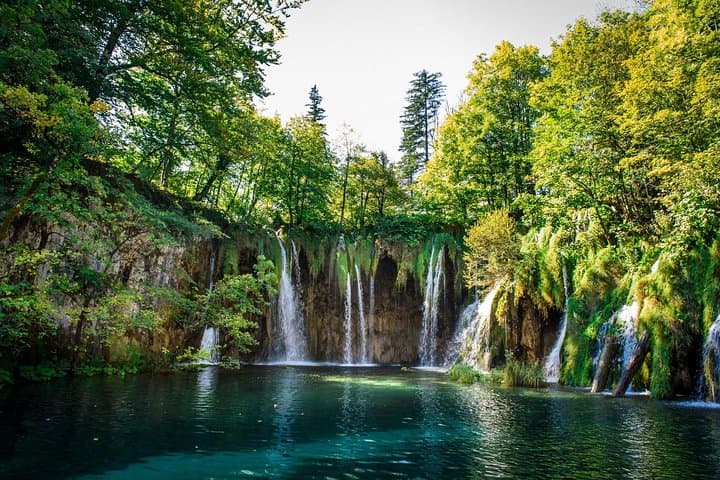
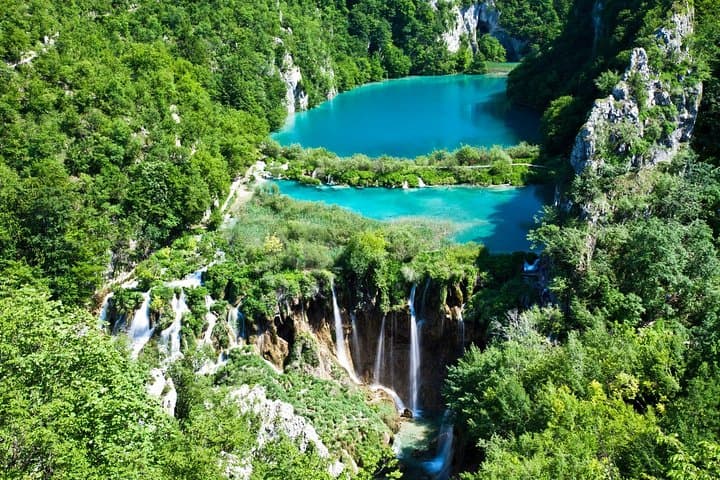
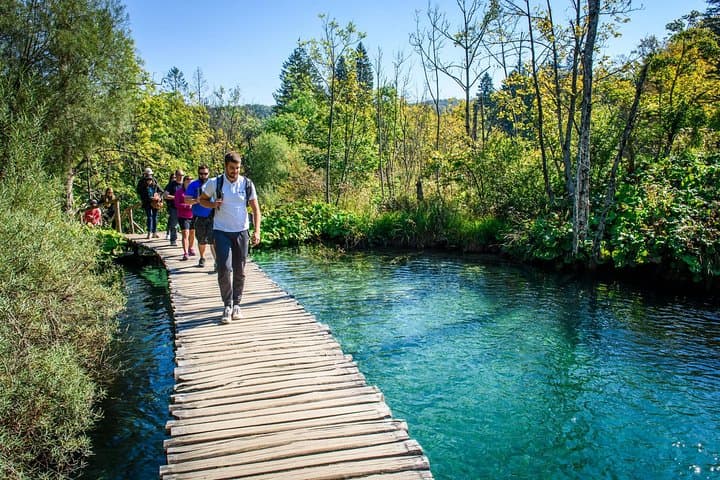
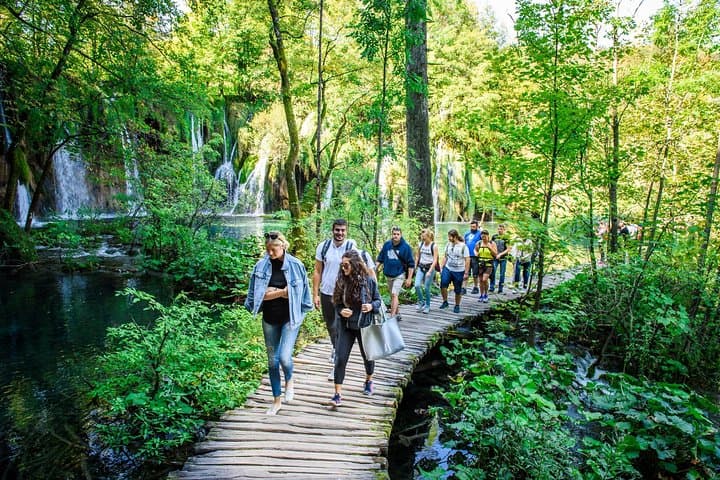
You leave Split before dawn, the Adriatic light still silver on the highway, and the minivan folds the coastline behind you as the hills of Lika rise. By mid-morning the air changes—cooler, wood-scented, and carrying the faint roar of water—and the first terraces of turquoise appear between firs and limestone cliffs. The boardwalks at Plitvice are theatrical: wooden planks tracing the edges of lakes like a hand following a face, with curtains of water spilling between each terrace.
You leave Split before dawn, the Adriatic light still silver on the highway, and the minivan folds the coastline behind you as the hills of Lika rise. By mid-morning the air changes—cooler, wood-scented, and carrying the faint roar of water—and the first terraces of turquoise appear between firs and limestone cliffs. The boardwalks at Plitvice are theatrical: wooden planks tracing the edges of lakes like a hand following a face, with curtains of water spilling between each terrace.
Plitvice Lakes National Park is a study in living geology. Over millennia, mineral-rich springs and moss built travertine dams that continue to grow and shift, creating the braided lakes and waterfalls UNESCO protected in 1979. The route most guides choose—Upper Lakes (Gornja Jezera) first, then the Lower Lakes (Donja Jezera), finishing at Veliki Slap—reads like a geological primer and a nature film in one. The Korana river threads the park, daring you to pause where reflections split and reform.
The region’s culture is quietly present: Lika shepherding traditions, simple mountain cuisine, and the local use of beech and fir timber in villages that still pay practical homage to the landscape. Expect short stories about how the park’s travertine bridges and old mills once supported small settlements, and staff who point out the park’s role in Croatia’s modern conservation movement.
Practicalities shape the day. The group transfer departs Split (or Trogir) early and includes an English-speaking guide, round-trip road transport, and a guided walking route through the park. Admission is not included, and the tour covers roughly 4–6 km of walking on uneven boardwalks, stairs, and gravel paths—bring footwear you can trust. Inside the park you’ll also take the park train and a short boat ride across Kozjak Lake, which saves walking time and gives different vantage points of the cascades.
Timing matters: arrive in the park mid-morning to mid-afternoon with plenty of daylight for the full circuit and the 78-meter Veliki Slap finale. Weather can change quickly—rain intensifies the falls but makes wooden paths slippery—so layers and a rain shell are sensible year-round. Luggage can be stored in the vehicle during the visit, and the tour ends with drop-off in Zagreb, where the city’s austere Austro-Hungarian squares feel like a tonal shift after the park’s liquid exuberance.
If you want clean compositions, aim for early photo stops at the Upper Lakes and save time to sit quietly near the lower cascades—sometimes the best wildlife glimpses, like an otter slipping between rocks, happen when the crowds thin. For a single-day slice of Croatia’s wild heart, this transfer-and-tour is efficient, scenic, and reliably thorough.