THE ADVENTURE COLLECTIVE® · Independent discovery and booking for outdoor travel

Spend a day moving from Kyoto’s modern tempo into Nara’s ancient calm—temples, museum treasures, wandering deer, and a classic Japanese garden. This guided tour bundles history, architecture, and practical logistics for a full-day cultural immersion.
Spend a day moving from Kyoto’s modern tempo into Nara’s ancient calm—temples, museum treasures, wandering deer, and a classic Japanese garden. This guided tour bundles history, architecture, and practical logistics for a full-day cultural immersion.
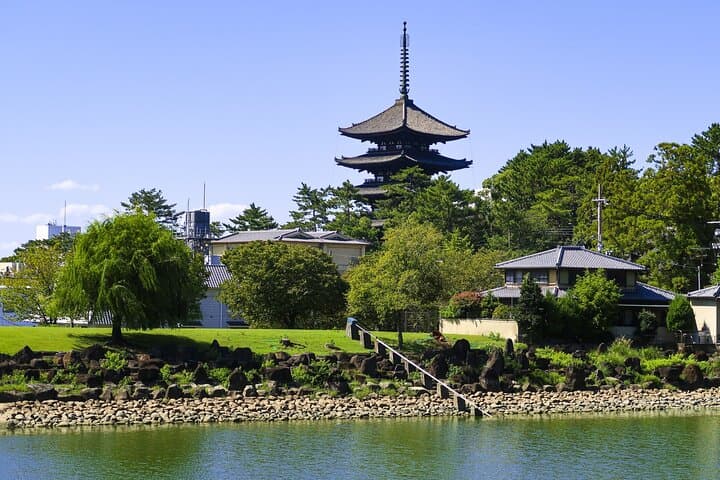
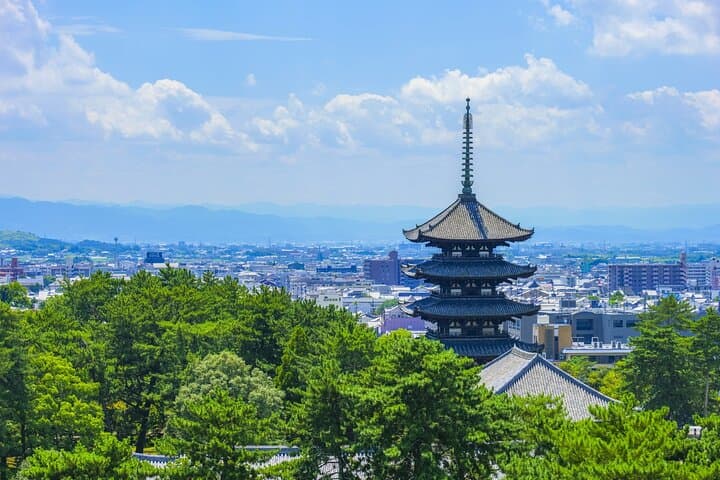
Morning light filters through the ginkgo and cedar of Nara Park as a guide leads a small group toward the craggy silhouette of Kōfuku-ji’s five-story pagoda.
The tour moves from open parkland into the compact alleys of Naramachi, where merchant townhouses (machiya) press close and craft shops replace former storehouses.
History is tangible here: Nara served as Japan’s first permanent capital in the 8th century, and temples like Kōfuku-ji and Tōdai-ji were religious centers and hubs for the Fujiwara.
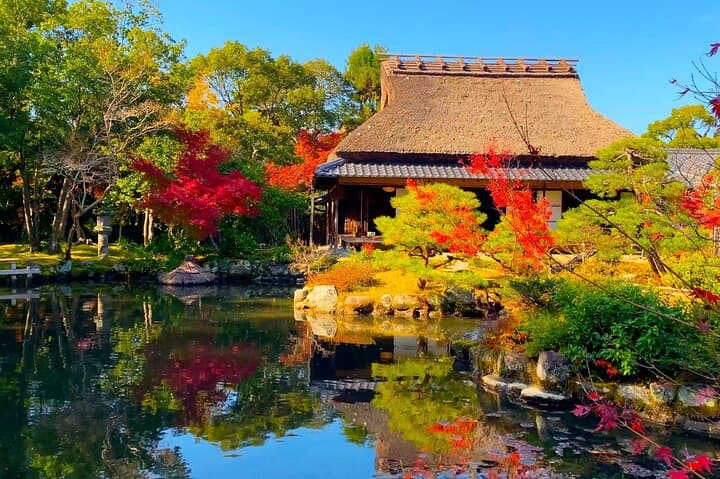
Geologically the plain sits on alluvial deposits of the Yamato basin; low rolling hills and views toward Mount Wakakusa frame gardens like Isuien, which employ shakkei—borrowed scenery—to stitch mountain silhouettes into composed views.
Culturally the route offers brushstrokes of Buddhist ritual, woodblock urban life, and contemporary craft revival in converted machiya.
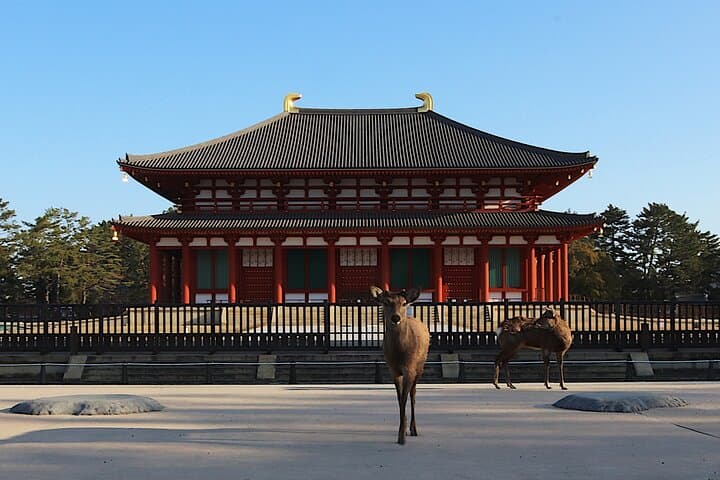
Expect to stand inside Daibutsu-den at Tōdai-ji beneath the Great Buddha, to learn about the Ashura statue at the National Treasure Museum, and to stroll uneven streets lined with cafés serving mochi.
Practical: the full itinerary runs about eight hours with moderate walking on paved and compacted dirt surfaces; wear supportive shoes, carry water, and be ready for stairs and low doorways in historic buildings.
Public transportation between Kyoto and Nara is frequent; this tour usually includes Kyoto pickup and admissions but check whether museum closures affect the schedule.
Best times are weekday mornings to avoid crowds and afternoon light for photos.
Respect temple etiquette—quiet voices, no flash photography, and appropriate clothing for temple interiors. Also bring a small map.
Verified experiences and guided adventures in the surrounding area.
Operated by MY Travel Consulting · Nara, Nara
Morning light filters through the ginkgo and cedar of Nara Park as a guide leads a small group toward the craggy silhouette of Kōfuku-ji’s five-story pagoda.
The tour moves from open parkland into the compact alleys of Naramachi, where merchant townhouses (machiya) press close and craft shops replace former storehouses.
History is tangible here: Nara served as Japan’s first permanent capital in the 8th century, and temples like Kōfuku-ji and Tōdai-ji were religious centers and hubs for the Fujiwara.
Geologically the plain sits on alluvial deposits of the Yamato basin; low rolling hills and views toward Mount Wakakusa frame gardens like Isuien, which employ shakkei—borrowed scenery—to stitch mountain silhouettes into composed views.
Culturally the route offers brushstrokes of Buddhist ritual, woodblock urban life, and contemporary craft revival in converted machiya.
Expect to stand inside Daibutsu-den at Tōdai-ji beneath the Great Buddha, to learn about the Ashura statue at the National Treasure Museum, and to stroll uneven streets lined with cafés serving mochi.
Practical: the full itinerary runs about eight hours with moderate walking on paved and compacted dirt surfaces; wear supportive shoes, carry water, and be ready for stairs and low doorways in historic buildings.
Public transportation between Kyoto and Nara is frequent; this tour usually includes Kyoto pickup and admissions but check whether museum closures affect the schedule.
Best times are weekday mornings to avoid crowds and afternoon light for photos.
Respect temple etiquette—quiet voices, no flash photography, and appropriate clothing for temple interiors. Also bring a small map.
moderate.
8 hours.
Moderate—comfortable walking and standing for several hours, some stair navigation required
Many tours include hotel pickup in Kyoto and the public transportation fee is often covered—confirm at booking to be sure.
This tour notes admission is included, but double-check for any special exhibitions that may require additional fees.
Yes—families are welcome; the itinerary lists stroller access but expect stairs and some walking, so plan accordingly.
Photography policies vary; no-flash rules typically apply inside museums and some temple halls—follow posted signs and guide instructions.
Nara was Japan’s first permanent capital (Heijō-kyō) from 710–794; many surviving temples were built or expanded under imperial and Fujiwara patronage.
Nara Park manages deer interactions through designated feeding and signage; visitors are asked to follow rules, carry out waste, and avoid feeding wildlife outside approved areas.
MY Travel Consulting operates guided outdoor trips and adventures with an emphasis on safety, stewardship, and memorable experiences.
Morning light filters through the ginkgo and cedar of Nara Park as a guide leads a small group toward the craggy silhouette of Kōfuku-ji’s five-story pagoda.
The tour moves from open parkland into the compact alleys of Naramachi, where merchant townhouses (machiya) press close and craft shops replace former storehouses.
History is tangible here: Nara served as Japan’s first permanent capital in the 8th century, and temples like Kōfuku-ji and Tōdai-ji were religious centers and hubs for the Fujiwara.
Geologically the plain sits on alluvial deposits of the Yamato basin; low rolling hills and views toward Mount Wakakusa frame gardens like Isuien, which employ shakkei—borrowed scenery—to stitch mountain silhouettes into composed views.
Culturally the route offers brushstrokes of Buddhist ritual, woodblock urban life, and contemporary craft revival in converted machiya.
Expect to stand inside Daibutsu-den at Tōdai-ji beneath the Great Buddha, to learn about the Ashura statue at the National Treasure Museum, and to stroll uneven streets lined with cafés serving mochi.
Practical: the full itinerary runs about eight hours with moderate walking on paved and compacted dirt surfaces; wear supportive shoes, carry water, and be ready for stairs and low doorways in historic buildings.
Public transportation between Kyoto and Nara is frequent; this tour usually includes Kyoto pickup and admissions but check whether museum closures affect the schedule.
Best times are weekday mornings to avoid crowds and afternoon light for photos.
Respect temple etiquette—quiet voices, no flash photography, and appropriate clothing for temple interiors. Also bring a small map.
Morning light filters through the ginkgo and cedar of Nara Park as a guide leads a small group toward the craggy silhouette of Kōfuku-ji’s five-story pagoda.
The tour moves from open parkland into the compact alleys of Naramachi, where merchant townhouses (machiya) press close and craft shops replace former storehouses.
History is tangible here: Nara served as Japan’s first permanent capital in the 8th century, and temples like Kōfuku-ji and Tōdai-ji were religious centers and hubs for the Fujiwara.
Geologically the plain sits on alluvial deposits of the Yamato basin; low rolling hills and views toward Mount Wakakusa frame gardens like Isuien, which employ shakkei—borrowed scenery—to stitch mountain silhouettes into composed views.
Culturally the route offers brushstrokes of Buddhist ritual, woodblock urban life, and contemporary craft revival in converted machiya.
Expect to stand inside Daibutsu-den at Tōdai-ji beneath the Great Buddha, to learn about the Ashura statue at the National Treasure Museum, and to stroll uneven streets lined with cafés serving mochi.
Practical: the full itinerary runs about eight hours with moderate walking on paved and compacted dirt surfaces; wear supportive shoes, carry water, and be ready for stairs and low doorways in historic buildings.
Public transportation between Kyoto and Nara is frequent; this tour usually includes Kyoto pickup and admissions but check whether museum closures affect the schedule.
Best times are weekday mornings to avoid crowds and afternoon light for photos.
Respect temple etiquette—quiet voices, no flash photography, and appropriate clothing for temple interiors. Also bring a small map.