THE ADVENTURE COLLECTIVE® · Independent discovery and booking for outdoor travel

A resident-led, private 90–120 minute walk through the French Quarter that focuses on LGBTQ milestones, literary landmarks, and the real history of voodoo—far beyond the souvenir shops. Expect personalized stories, uneven cobbles, and stops shaped by your interests.
A resident-led, private 90–120 minute walk through the French Quarter that focuses on LGBTQ milestones, literary landmarks, and the real history of voodoo—far beyond the souvenir shops. Expect personalized stories, uneven cobbles, and stops shaped by your interests.
The walk begins one block from Jackson Square, where the city’s rhythms favor the urgent and the slow at once. Street brass threads through the ironwork of Royal Street balconies while vendors call out morning beignet orders and the river beyond breathes a steady, damp exhale. A yellow sign with the word “Tour” in purple marks the meeting spot; from there the Quarter opens like a living map of choices—alleys that insist you look closer, facades that remember a different language.
Verified experiences and guided adventures in the surrounding area.
Operated by Frank Perez · New Orleans, Louisiana
The walk begins one block from Jackson Square, where the city’s rhythms favor the urgent and the slow at once. Street brass threads through the ironwork of Royal Street balconies while vendors call out morning beignet orders and the river beyond breathes a steady, damp exhale. A yellow sign with the word “Tour” in purple marks the meeting spot; from there the Quarter opens like a living map of choices—alleys that insist you look closer, facades that remember a different language.
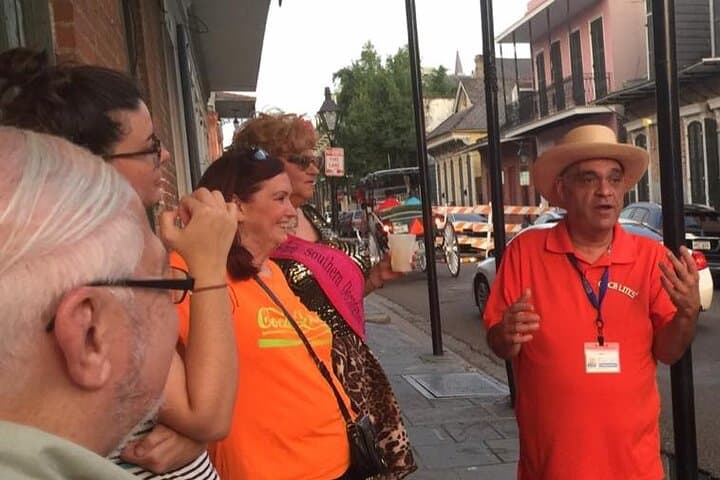
This is not a checklist tour. The guide—typically a long-term resident—moves through the neighborhood as a local with a historian’s eye. The French Quarter is layered: 18th‑ and 19th‑century French and Spanish colonial plans overlaid on Creole culture, an urban morphology shaped by hurricanes, commerce, and migration. Literary ghosts surface in front of bookstores and cafés—Anne Rice and Tennessee Williams appear alongside newer voices who claim the Quarter for queer history and community. Voodoo is both religion and legend here; it’s traced to West African spiritual practices and adapted through colonial history into rituals, memorials and commercial curiosities.
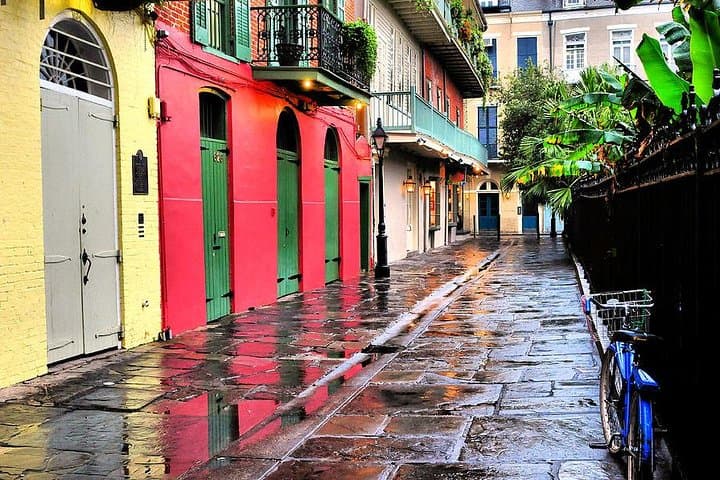
Cultural context is practical: the tour explains how Bourbon Street grew into a party front while quieter blocks—St. Peter, Chartres, and the old carriageways—hold stories of activism, drag, and LGBTQ resilience. Guides interpret architecture (bracketed balconies, courtyards) and point out lesser-known civic sites where activists gathered, writers lived, and healers practiced.
For travelers, the experience is tailored and realistic. Expect 90–120 minutes on largely flat, historic streets—cobblestone and brick that demand sensible footwear. Total walking distance is typically 1–1.5 miles, adjusted to guest interests; there’s little elevation but plenty of uneven surfaces. The tour is private and customizable: guests can emphasize LGBTQ history, literary stops, or voodoo and folklore.
Practical tips: start early to escape midday heat or pick an evening slot when lights and music change the Quarter’s tone. Carry water, sun protection, and a small bag for camera gear; be prepared to stand and move frequently. Respect private courtyards and residents—photography is welcomed in public spaces but not through gated homes.
The guide’s local perspective is the value here—stories that go beyond plaques to personal recollections and neighborhood memory. Whether you come for stories of defiance and artistry, to see where novels were written, or to understand how spiritual practices shaped daily life, this walk delivers context and color with the efficiency of a 90‑to‑120‑minute conversation that leaves you smarter about the Quarter and ready to explore on your own.
easy.
1.5–2 hours.
Suitable for most fitness levels; requires standing and walking on uneven surfaces for up to two hours.
Tours typically cover about 1–1.5 miles over 90–120 minutes, but the route is customized to guest interests.
The meeting point is one block from Jackson Square near Royal and St. Peter Streets; end points vary based on guest interest and timing.
The area is stroller-accessible in many sections, but cobblestones and occasional stairs make some parts challenging for mobility-limited travelers—contact the provider to customize the route.
No admissions are included; the tour focuses on stories and street-level history. Stops may pass businesses where you can make purchases on your own.
Yes—this private tour is customizable. You can request an emphasis on LGBTQ history, literary figures, voodoo, or a mix.
Stay on public sidewalks, avoid photographing people without consent, and follow the guide’s instructions in crowded areas—respect for residents is emphasized.
The French Quarter was laid out under French and Spanish colonial plans and evolved as a cultural crossroads where Creole, African, Caribbean and European influences shaped religion, language and the built environment.
Preservation efforts focus on maintaining historic fabric and mitigating over-tourism; guests are encouraged to stay on public routes and minimize noise and litter.
Frank Perez operates guided outdoor trips and adventures with an emphasis on safety, stewardship, and memorable experiences.
The walk begins one block from Jackson Square, where the city’s rhythms favor the urgent and the slow at once. Street brass threads through the ironwork of Royal Street balconies while vendors call out morning beignet orders and the river beyond breathes a steady, damp exhale. A yellow sign with the word “Tour” in purple marks the meeting spot; from there the Quarter opens like a living map of choices—alleys that insist you look closer, facades that remember a different language.
The walk begins one block from Jackson Square, where the city’s rhythms favor the urgent and the slow at once. Street brass threads through the ironwork of Royal Street balconies while vendors call out morning beignet orders and the river beyond breathes a steady, damp exhale. A yellow sign with the word “Tour” in purple marks the meeting spot; from there the Quarter opens like a living map of choices—alleys that insist you look closer, facades that remember a different language.
This is not a checklist tour. The guide—typically a long-term resident—moves through the neighborhood as a local with a historian’s eye. The French Quarter is layered: 18th‑ and 19th‑century French and Spanish colonial plans overlaid on Creole culture, an urban morphology shaped by hurricanes, commerce, and migration. Literary ghosts surface in front of bookstores and cafés—Anne Rice and Tennessee Williams appear alongside newer voices who claim the Quarter for queer history and community. Voodoo is both religion and legend here; it’s traced to West African spiritual practices and adapted through colonial history into rituals, memorials and commercial curiosities.
Cultural context is practical: the tour explains how Bourbon Street grew into a party front while quieter blocks—St. Peter, Chartres, and the old carriageways—hold stories of activism, drag, and LGBTQ resilience. Guides interpret architecture (bracketed balconies, courtyards) and point out lesser-known civic sites where activists gathered, writers lived, and healers practiced.
For travelers, the experience is tailored and realistic. Expect 90–120 minutes on largely flat, historic streets—cobblestone and brick that demand sensible footwear. Total walking distance is typically 1–1.5 miles, adjusted to guest interests; there’s little elevation but plenty of uneven surfaces. The tour is private and customizable: guests can emphasize LGBTQ history, literary stops, or voodoo and folklore.
Practical tips: start early to escape midday heat or pick an evening slot when lights and music change the Quarter’s tone. Carry water, sun protection, and a small bag for camera gear; be prepared to stand and move frequently. Respect private courtyards and residents—photography is welcomed in public spaces but not through gated homes.
The guide’s local perspective is the value here—stories that go beyond plaques to personal recollections and neighborhood memory. Whether you come for stories of defiance and artistry, to see where novels were written, or to understand how spiritual practices shaped daily life, this walk delivers context and color with the efficiency of a 90‑to‑120‑minute conversation that leaves you smarter about the Quarter and ready to explore on your own.