THE ADVENTURE COLLECTIVE® · Independent discovery and booking for outdoor travel

Dusk falls on Bourbon Street and a guide clicks on an EMF meter: the French Quarter Haunted Excursion blends documented history, architecture, and eerie local lore into a 1–2 hour walking tour. Expect bar stops, cemetery stories, and a steady pace through one of America’s oldest neighborhoods.
Dusk falls on Bourbon Street and a guide clicks on an EMF meter: the French Quarter Haunted Excursion blends documented history, architecture, and eerie local lore into a 1–2 hour walking tour. Expect bar stops, cemetery stories, and a steady pace through one of America’s oldest neighborhoods.
At dusk a cluster of strangers forms at the wrought-iron gate outside Lafitte's Blacksmith Shop Bar. Neon spills onto cobblestones, a guide's flashlight skims the carved lintels of 18th-century doorways, and somewhere down the street a saxophone winds a low, mournful note. The group steps off into the French Quarter—Vieux Carré—where old mortar, live oaks, and a high water table conspire to give the city its strange gravity and its stories.
Verified experiences and guided adventures in the surrounding area.
Operated by New Orleans Drunk History Tours • Show Me New Orleans Tours · New Orleans, Louisiana
At dusk a cluster of strangers forms at the wrought-iron gate outside Lafitte's Blacksmith Shop Bar. Neon spills onto cobblestones, a guide's flashlight skims the carved lintels of 18th-century doorways, and somewhere down the street a saxophone winds a low, mournful note. The group steps off into the French Quarter—Vieux Carré—where old mortar, live oaks, and a high water table conspire to give the city its strange gravity and its stories.
The excursion threads history with the uncanny. Guides stop at narrow courtyards, the façade of LaLaurie Mansion, and the open square beside St. Louis Cathedral, translating Creole and colonial records into the salacious, often violent tales that earned New Orleans the reputation of one of America's most haunted cities. Geology and urban practice meet in the cemeteries: the city's propensity for above-ground vaults is a practical answer to subsiding soil and a perpetually high water table, a fact that made recycling tombs a ritual and a spectacle.
Culture is never far from the narrative. Between accounts of pirates, voodoo healers, and unsolved murders, the tour folds in the French Quarter's musical lineage, its culinary intersections of Spanish, French, African, and Caribbean influence, and the longstanding tolerance for late-night revelry—laissez les bon temps rouler, rendered in walking form.
The theatrical element is real but so is the method: guides use a genuine EMF meter and encourage candid conversation about documented reports, local legends, and the ethics of storytelling in a living neighborhood. Stops are frequent and sometimes in front of bars; guests may grab a drink to-go at permitted venues. The route changes with crowds and weather, and photography is encouraged—video and audio recording of narrations is not allowed.
Practicalities matter. Tours run 1–2 hours at a moderate, steady pace over uneven, narrow sidewalks; comfortable, closed-toe shoes and warm layers for winter nights are essential. The meeting point is the courtyard gate at 941 Bourbon Street—arrive early and bring ID if you plan to drink. The operator enforces a no-refund, rain-or-shine policy and reserves the right to refuse service for extreme intoxication. Families are welcome, but some bar stops are 21+.
For prospective visitors, plan for humidity in summer and brisk evenings in winter, keep valuables secure in a city with lively nightlife, and be ready to listen as much as to take pictures. The walk is equal parts history lesson and nightlife sampler; it rewards curiosity, a steady stride, and a willingness to consider the city's shadows as part of its character.
moderate.
1–2 hours.
Suitable for most visitors who can walk at a steady pace for up to two hours; some short standing periods.
Yes—children are allowed but must be accompanied by an adult; note some bar stops are 21+ and entry is not guaranteed for minors.
No—the tour is entertainment and history-based; guides may use EMF meters, but there is no guarantee of paranormal encounters.
The operator lists wheelchair accessibility,
Yes—guests may purchase drinks to-go at participating bars, but local rules vary and intoxicated guests may be refused participation for safety.
Meet at the courtyard gate outside Lafitte's Blacksmith Shop Bar, 941 Bourbon Street; tours depart promptly so arrive early to check in.
No—audio and video recordings of guides’ narrations are prohibited, though still photography is encouraged.
The French Quarter, founded in the early 18th century as the Vieux Carré, developed above-ground burial practices because the area's high water table makes subterranean graves impractical.
Visitors should respect private property and residents—keep to public sidewalks, dispose of trash properly, and avoid disturbing historic sites to minimize wear on fragile architecture.
New Orleans Drunk History Tours • Show Me New Orleans Tours operates guided outdoor trips and adventures with an emphasis on safety, stewardship, and memorable experiences.
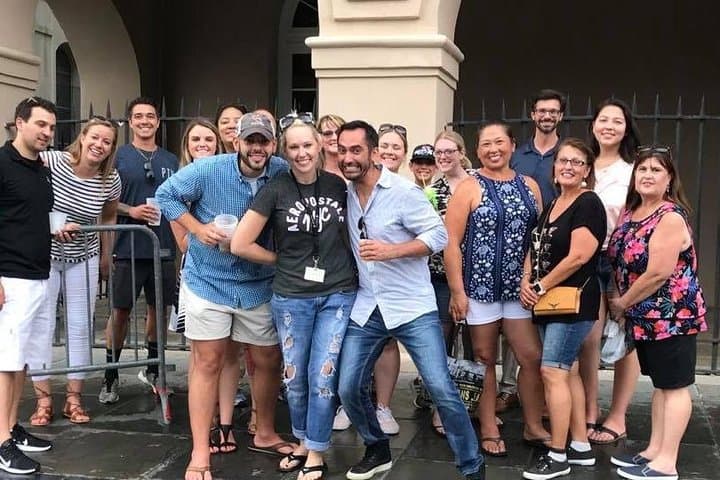
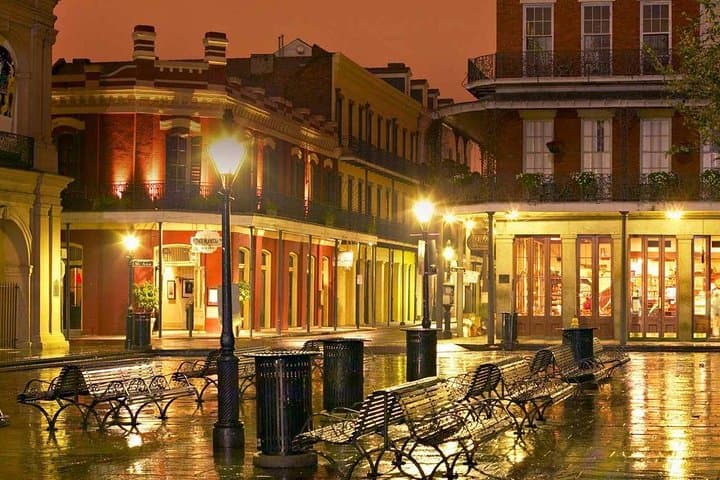
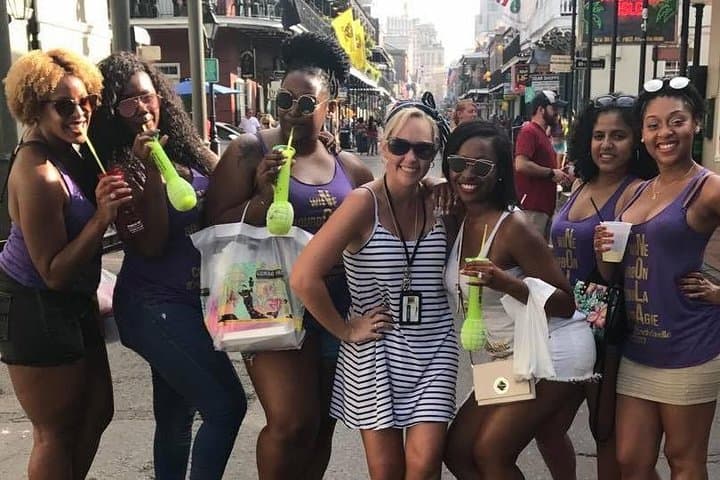
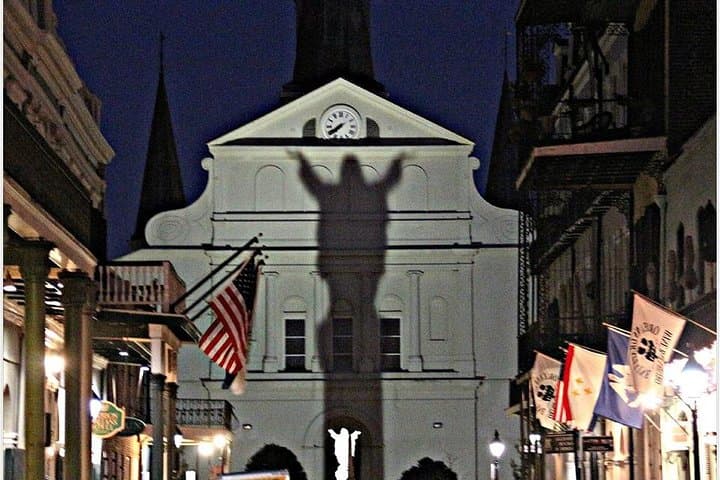
At dusk a cluster of strangers forms at the wrought-iron gate outside Lafitte's Blacksmith Shop Bar. Neon spills onto cobblestones, a guide's flashlight skims the carved lintels of 18th-century doorways, and somewhere down the street a saxophone winds a low, mournful note. The group steps off into the French Quarter—Vieux Carré—where old mortar, live oaks, and a high water table conspire to give the city its strange gravity and its stories.
At dusk a cluster of strangers forms at the wrought-iron gate outside Lafitte's Blacksmith Shop Bar. Neon spills onto cobblestones, a guide's flashlight skims the carved lintels of 18th-century doorways, and somewhere down the street a saxophone winds a low, mournful note. The group steps off into the French Quarter—Vieux Carré—where old mortar, live oaks, and a high water table conspire to give the city its strange gravity and its stories.
The excursion threads history with the uncanny. Guides stop at narrow courtyards, the façade of LaLaurie Mansion, and the open square beside St. Louis Cathedral, translating Creole and colonial records into the salacious, often violent tales that earned New Orleans the reputation of one of America's most haunted cities. Geology and urban practice meet in the cemeteries: the city's propensity for above-ground vaults is a practical answer to subsiding soil and a perpetually high water table, a fact that made recycling tombs a ritual and a spectacle.
Culture is never far from the narrative. Between accounts of pirates, voodoo healers, and unsolved murders, the tour folds in the French Quarter's musical lineage, its culinary intersections of Spanish, French, African, and Caribbean influence, and the longstanding tolerance for late-night revelry—laissez les bon temps rouler, rendered in walking form.
The theatrical element is real but so is the method: guides use a genuine EMF meter and encourage candid conversation about documented reports, local legends, and the ethics of storytelling in a living neighborhood. Stops are frequent and sometimes in front of bars; guests may grab a drink to-go at permitted venues. The route changes with crowds and weather, and photography is encouraged—video and audio recording of narrations is not allowed.
Practicalities matter. Tours run 1–2 hours at a moderate, steady pace over uneven, narrow sidewalks; comfortable, closed-toe shoes and warm layers for winter nights are essential. The meeting point is the courtyard gate at 941 Bourbon Street—arrive early and bring ID if you plan to drink. The operator enforces a no-refund, rain-or-shine policy and reserves the right to refuse service for extreme intoxication. Families are welcome, but some bar stops are 21+.
For prospective visitors, plan for humidity in summer and brisk evenings in winter, keep valuables secure in a city with lively nightlife, and be ready to listen as much as to take pictures. The walk is equal parts history lesson and nightlife sampler; it rewards curiosity, a steady stride, and a willingness to consider the city's shadows as part of its character.