THE ADVENTURE COLLECTIVE® · Independent discovery and booking for outdoor travel

Explore the French Quarter as a playable history walk—GPS prompts guide you from Congo Square to the French Market while you solve puzzles and uncover hidden narratives. Perfect for independent travelers who want a paced, informative stroll through New Orleans’ layered past.
Explore the French Quarter as a playable history walk—GPS prompts guide you from Congo Square to the French Market while you solve puzzles and uncover hidden narratives. Perfect for independent travelers who want a paced, informative stroll through New Orleans’ layered past.
You set off under the cast-iron balconies of the French Quarter, phone in hand and the city’s pulse moving around you.
Streets smell of coffee, beignets and the river; the Mississippi’s current seems to nudge visitors toward Jackson Square and the sound of distant brass. This self-guided GPS walking game threads historic plazas, hidden slave quarters, Congo Square and the French Market into a paced narrative that turns sidewalks into stages.
New Orleans grew where the river’s alluvial plain met colonial ambition — a layered urban landscape shaped by French and Spanish rule, Creole communities, and the forced labor that built much of the city’s architecture. Here, music and ritual carried stories across generations; Congo Square’s gatherings and the Cabildo’s archives are touchpoints for those histories. Geology is simple but present: the city sits low, with reclaimed marsh and bayou systems that dictated settlement and trade.
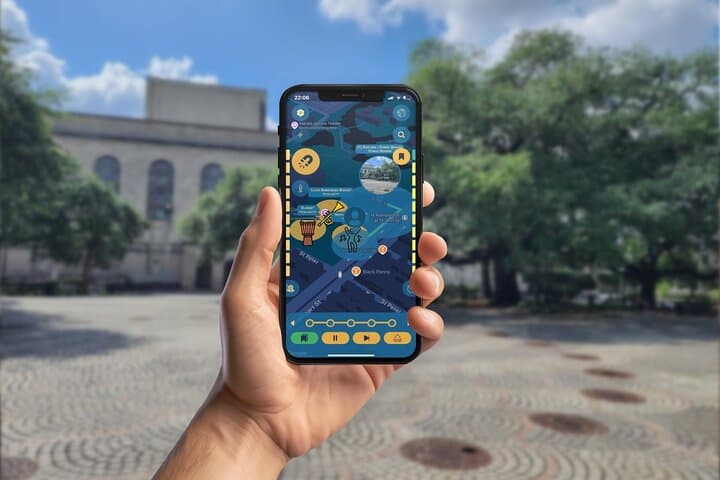
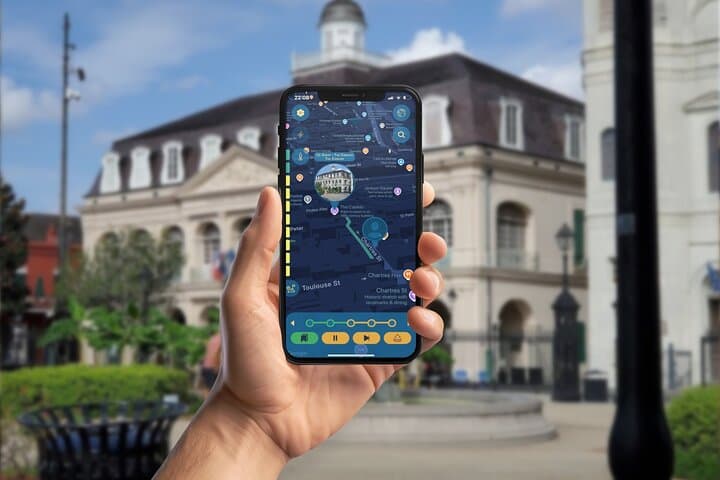
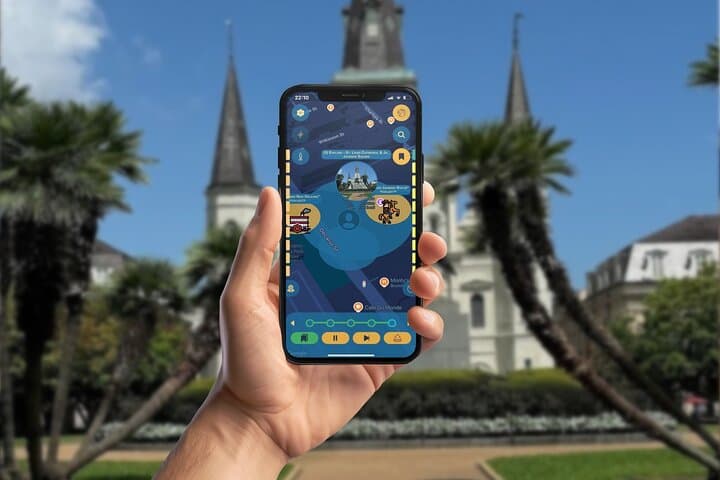
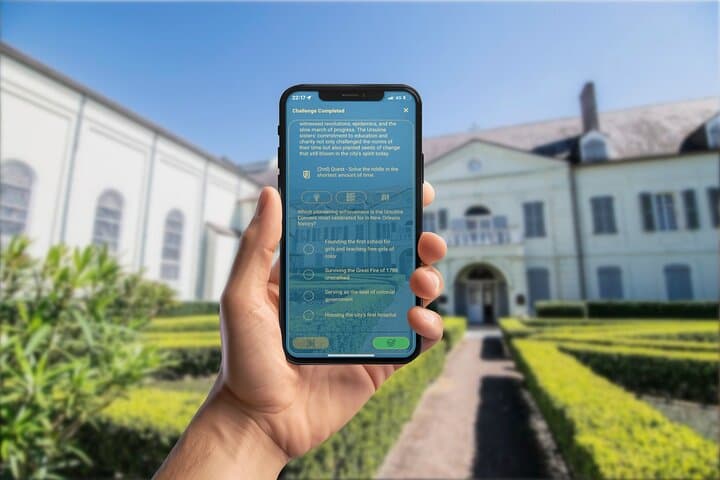
Practically, the app functions like a hybrid between a guided tour and a scavenger hunt: solve location-based puzzles, read curated context, and stop at preserved sites at your own pace. Expect mostly flat pavement, cobblestones in places, and frequent streetcar and pedestrian traffic. Bring a charged smartphone, plan for 60–120 minutes depending on stops, and allow extra time for museums or markets you want to enter.
This is a walking experience that rewards curiosity: listen for call-and-response in live music, read plaques closely, and leave space to support local vendors. Be mindful of fragile historic sites and the living neighborhoods that host them.
Verified experiences and guided adventures in the surrounding area.
Operated by Leplace - interactive self-guided app tours · New Orleans, Louisiana
You set off under the cast-iron balconies of the French Quarter, phone in hand and the city’s pulse moving around you.
Streets smell of coffee, beignets and the river; the Mississippi’s current seems to nudge visitors toward Jackson Square and the sound of distant brass. This self-guided GPS walking game threads historic plazas, hidden slave quarters, Congo Square and the French Market into a paced narrative that turns sidewalks into stages.
New Orleans grew where the river’s alluvial plain met colonial ambition — a layered urban landscape shaped by French and Spanish rule, Creole communities, and the forced labor that built much of the city’s architecture. Here, music and ritual carried stories across generations; Congo Square’s gatherings and the Cabildo’s archives are touchpoints for those histories. Geology is simple but present: the city sits low, with reclaimed marsh and bayou systems that dictated settlement and trade.
Practically, the app functions like a hybrid between a guided tour and a scavenger hunt: solve location-based puzzles, read curated context, and stop at preserved sites at your own pace. Expect mostly flat pavement, cobblestones in places, and frequent streetcar and pedestrian traffic. Bring a charged smartphone, plan for 60–120 minutes depending on stops, and allow extra time for museums or markets you want to enter.
This is a walking experience that rewards curiosity: listen for call-and-response in live music, read plaques closely, and leave space to support local vendors. Be mindful of fragile historic sites and the living neighborhoods that host them.
easy.
1–2 hours.
Light walking ability; suitable for most fitness levels with frequent stops
The app is self-guided and flexible; you can start at any point indicated in the app—common starting areas are Jackson Square or Congo Square in the French Quarter.
The route uses city sidewalks and some uneven surfaces; while largely flat, certain spots have cobblestones and narrow sidewalks—not recommended for people with impaired mobility.
Plan 60–120 minutes depending on how many stops, puzzles, and detours you choose; add extra time if you enter museums or markets.
The app relies on GPS and may require intermittent data for multimedia; download any available offline content beforehand and bring a charged device.
The French Quarter contains buildings dating to the 18th century; Congo Square was a rare legal gathering place for enslaved and free Black people to create music and sustain cultural practices.
Respect fragile historic fabric by staying on walkways and supporting local preservation through entry fees and purchases; avoid littering and disruptive behavior in residential areas.
Leplace - interactive self-guided app tours operates guided outdoor trips and adventures with an emphasis on safety, stewardship, and memorable experiences.
You set off under the cast-iron balconies of the French Quarter, phone in hand and the city’s pulse moving around you.
Streets smell of coffee, beignets and the river; the Mississippi’s current seems to nudge visitors toward Jackson Square and the sound of distant brass. This self-guided GPS walking game threads historic plazas, hidden slave quarters, Congo Square and the French Market into a paced narrative that turns sidewalks into stages.
New Orleans grew where the river’s alluvial plain met colonial ambition — a layered urban landscape shaped by French and Spanish rule, Creole communities, and the forced labor that built much of the city’s architecture. Here, music and ritual carried stories across generations; Congo Square’s gatherings and the Cabildo’s archives are touchpoints for those histories. Geology is simple but present: the city sits low, with reclaimed marsh and bayou systems that dictated settlement and trade.
Practically, the app functions like a hybrid between a guided tour and a scavenger hunt: solve location-based puzzles, read curated context, and stop at preserved sites at your own pace. Expect mostly flat pavement, cobblestones in places, and frequent streetcar and pedestrian traffic. Bring a charged smartphone, plan for 60–120 minutes depending on stops, and allow extra time for museums or markets you want to enter.
This is a walking experience that rewards curiosity: listen for call-and-response in live music, read plaques closely, and leave space to support local vendors. Be mindful of fragile historic sites and the living neighborhoods that host them.
You set off under the cast-iron balconies of the French Quarter, phone in hand and the city’s pulse moving around you.
Streets smell of coffee, beignets and the river; the Mississippi’s current seems to nudge visitors toward Jackson Square and the sound of distant brass. This self-guided GPS walking game threads historic plazas, hidden slave quarters, Congo Square and the French Market into a paced narrative that turns sidewalks into stages.
New Orleans grew where the river’s alluvial plain met colonial ambition — a layered urban landscape shaped by French and Spanish rule, Creole communities, and the forced labor that built much of the city’s architecture. Here, music and ritual carried stories across generations; Congo Square’s gatherings and the Cabildo’s archives are touchpoints for those histories. Geology is simple but present: the city sits low, with reclaimed marsh and bayou systems that dictated settlement and trade.
Practically, the app functions like a hybrid between a guided tour and a scavenger hunt: solve location-based puzzles, read curated context, and stop at preserved sites at your own pace. Expect mostly flat pavement, cobblestones in places, and frequent streetcar and pedestrian traffic. Bring a charged smartphone, plan for 60–120 minutes depending on stops, and allow extra time for museums or markets you want to enter.
This is a walking experience that rewards curiosity: listen for call-and-response in live music, read plaques closely, and leave space to support local vendors. Be mindful of fragile historic sites and the living neighborhoods that host them.