THE ADVENTURE COLLECTIVE® · Independent discovery and booking for outdoor travel

Learn breath-hold technique, practice static apnea in a pool, then take your skills to a crystalline cenote near Tulum. This guided day blends breathing theory, gentle yoga, and supervised freediving for curious beginners.
Learn breath-hold technique, practice static apnea in a pool, then take your skills to a crystalline cenote near Tulum. This guided day blends breathing theory, gentle yoga, and supervised freediving for curious beginners.
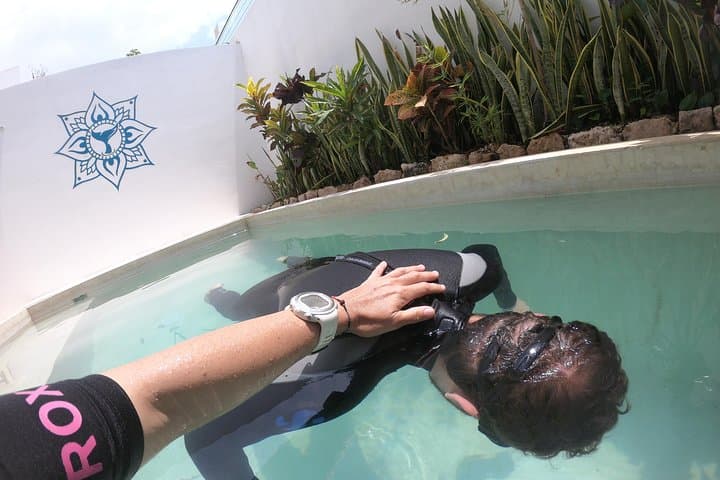
The day opens with slow breaths. In a shaded studio a few blocks from Tulum town, an instructor guides a small group through breathing exercises and a soft yoga flow that quiets the rush of travel and traffic. Air seems to thicken with intent; lungs are tuned like instruments. Later, the pool’s flat mirror invites a single, calm surrender — lying still, face up, counting time by silence.
Verified experiences and guided adventures in the surrounding area.
Operated by La Casa Surya · Tulum, Quintana Roo
The day opens with slow breaths. In a shaded studio a few blocks from Tulum town, an instructor guides a small group through breathing exercises and a soft yoga flow that quiets the rush of travel and traffic. Air seems to thicken with intent; lungs are tuned like instruments. Later, the pool’s flat mirror invites a single, calm surrender — lying still, face up, counting time by silence.
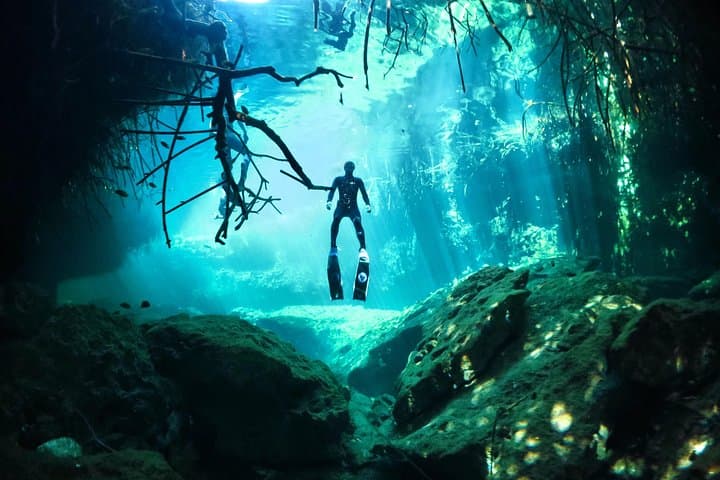
By early afternoon the van rolls toward a nearby cenote, a 15-minute drive that leads off the highway and into scrubland where limestone outcrops push through the soil. Cenote water is a different kind of light: a cool, blue clarity that dares you to go deeper while the jungle around it rustles like a patient audience. The site used on this tour reaches about 7 meters at its deepest — shallow enough for beginners to feel secure, deep enough to meet the peculiar, meditative pressure of apnea.
Cenotes are more than swimming holes; they are the exposed roots of Yucatán’s geology. The region’s porous limestone has been eroded into underground rivers and sinkholes since the last Ice Age. For the Maya, these pools were gateways to the underworld and sources of life. Today, freediving in a cenote threads modern technique with ancient landscape — breathing practices that echo ritual and reverence.
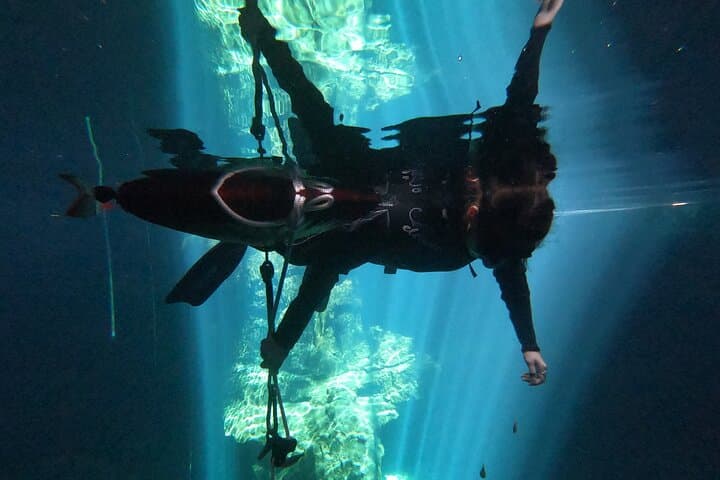
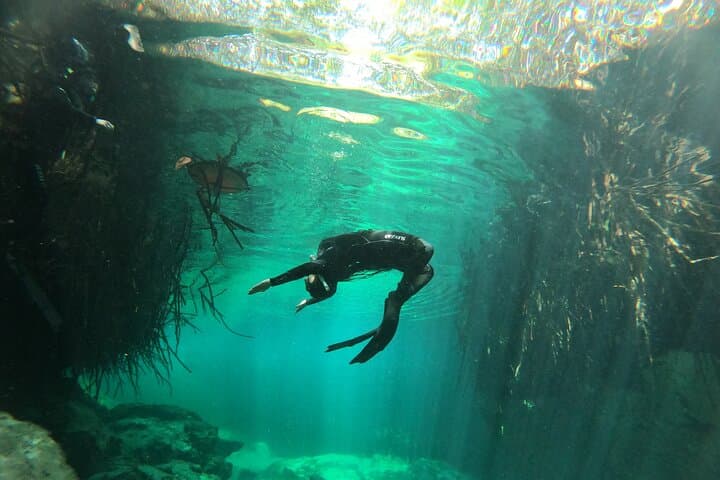
The day balances instruction and practice: theory about the mammalian dive reflex and safety protocols, static apnea in the pool to learn breath control, and a guided surface-interval snorkel/apnea session in the cenote. It’s an approachable format — accessible to anyone with basic swimming ability — but it moves deliberately; safety briefings, partner checks, and instructor supervision are constant.
Practicalities matter. Expect around eight hours from start to finish. Bring a reusable water bottle, reef-safe sunscreen, and a light rashguard for sun and humidity. Eat a light lunch beforehand or take advantage of the included hummus sandwich and water. The company provides snorkel equipment, but a comfortable personal mask and earplugs will make holds easier for newcomers.
This trip is as much a lesson in stillness as it is a sporting intro. It rewards patience: small improvements in breath-hold time, a new comfort with depth, and the surprising calm of moving slowly underwater. For travelers wanting a mindful, active day in Tulum that pairs technical coaching with a uniquely Yucatán setting, this freediving discovery delivers both skill and an unforgettable half-day beneath the trees and sky.
moderate.
6–8 hours.
Moderate fitness; you should be comfortable treading water and able to swim short distances without assistance.
No — this is an introductory day. The course covers basic theory, safety, and supervised practice suitable for beginners.
The chosen cenote on this tour reaches about 7 meters maximum depth; instructors keep activities within safe, supervised depth limits.
Participants should be in moderate physical health and able to swim; the operator advises against participation for pregnant travelers or those with cardiovascular issues.
Pickup from Tulum Pueblo is available; guests in the Hotel Zone typically meet at La Casa Surya and will need a taxi unless pre-arranged pickup is confirmed.
Bring a towel, reef-safe sunscreen, water, and a light change of clothes; organizers provide snorkeling equipment and a vegetarian lunch.
Some instructors may take photos, but you should ask and follow rules — avoid lights and camera contact with formations; bringing your own waterproof camera is allowed if approved.
Cenotes held central ritual and survival value for the Maya as freshwater sources and ceremonial sites; modern diving layers contemporary sport over ancient significance.
Visitors should avoid sunscreens with oxybenzone, follow no-touch rules for formations, and support operators who limit group sizes and use biodegradable products.
La Casa Surya operates guided outdoor trips and adventures with an emphasis on safety, stewardship, and memorable experiences.
The day opens with slow breaths. In a shaded studio a few blocks from Tulum town, an instructor guides a small group through breathing exercises and a soft yoga flow that quiets the rush of travel and traffic. Air seems to thicken with intent; lungs are tuned like instruments. Later, the pool’s flat mirror invites a single, calm surrender — lying still, face up, counting time by silence.
The day opens with slow breaths. In a shaded studio a few blocks from Tulum town, an instructor guides a small group through breathing exercises and a soft yoga flow that quiets the rush of travel and traffic. Air seems to thicken with intent; lungs are tuned like instruments. Later, the pool’s flat mirror invites a single, calm surrender — lying still, face up, counting time by silence.
By early afternoon the van rolls toward a nearby cenote, a 15-minute drive that leads off the highway and into scrubland where limestone outcrops push through the soil. Cenote water is a different kind of light: a cool, blue clarity that dares you to go deeper while the jungle around it rustles like a patient audience. The site used on this tour reaches about 7 meters at its deepest — shallow enough for beginners to feel secure, deep enough to meet the peculiar, meditative pressure of apnea.
Cenotes are more than swimming holes; they are the exposed roots of Yucatán’s geology. The region’s porous limestone has been eroded into underground rivers and sinkholes since the last Ice Age. For the Maya, these pools were gateways to the underworld and sources of life. Today, freediving in a cenote threads modern technique with ancient landscape — breathing practices that echo ritual and reverence.
The day balances instruction and practice: theory about the mammalian dive reflex and safety protocols, static apnea in the pool to learn breath control, and a guided surface-interval snorkel/apnea session in the cenote. It’s an approachable format — accessible to anyone with basic swimming ability — but it moves deliberately; safety briefings, partner checks, and instructor supervision are constant.
Practicalities matter. Expect around eight hours from start to finish. Bring a reusable water bottle, reef-safe sunscreen, and a light rashguard for sun and humidity. Eat a light lunch beforehand or take advantage of the included hummus sandwich and water. The company provides snorkel equipment, but a comfortable personal mask and earplugs will make holds easier for newcomers.
This trip is as much a lesson in stillness as it is a sporting intro. It rewards patience: small improvements in breath-hold time, a new comfort with depth, and the surprising calm of moving slowly underwater. For travelers wanting a mindful, active day in Tulum that pairs technical coaching with a uniquely Yucatán setting, this freediving discovery delivers both skill and an unforgettable half-day beneath the trees and sky.