THE ADVENTURE COLLECTIVE® · Independent discovery and booking for outdoor travel

Sail from Puerto Colón aboard a spacious catamaran to watch pilot whales and dolphins, cruise beneath the sheer walls of Los Gigantes, and swim in Masca Bay. This four‑hour trip pairs wildlife watching with a relaxed deck experience and on‑board lunch.
Sail from Puerto Colón aboard a spacious catamaran to watch pilot whales and dolphins, cruise beneath the sheer walls of Los Gigantes, and swim in Masca Bay. This four‑hour trip pairs wildlife watching with a relaxed deck experience and on‑board lunch.
The catamaran slips away from the marina and the island rearranges itself: low-slung resorts give way to black volcanic cliffs that rise like folded curtains from the sea. On deck, the wind ridges the water into bright silver and the captain points the bow toward a stretch of coastline where pilot whales and dolphins are known to play. The day is built around that possibility—sunning on the trampoline, a quick swim off the stern, and the sudden, electric arcs of animals cutting through the ocean.
Verified experiences and guided adventures in the surrounding area.
Operated by Destination Services Spain · Costa Adeje, Tenerife
The catamaran slips away from the marina and the island rearranges itself: low-slung resorts give way to black volcanic cliffs that rise like folded curtains from the sea. On deck, the wind ridges the water into bright silver and the captain points the bow toward a stretch of coastline where pilot whales and dolphins are known to play. The day is built around that possibility—sunning on the trampoline, a quick swim off the stern, and the sudden, electric arcs of animals cutting through the ocean.
Tenerife is volcanic by origin; the sharply eroded cliffs of Los Gigantes are recent chapters in a long geologic story of lava flows, collapse, and sea. Masca itself—reached on this route by an anchored swim in its protected bay—sits beneath steep terraces that were once carved and farmed by isolated mountain communities. For centuries these waters have fed fishing villages and attracted mariners; today they also host one of the North Atlantic’s most visible cetacean populations.
Onboard, the atmosphere is casual and practical: shaded seating surrounds a bar offering water, sangria and beer, and a simple lunch is served between sighting watches. Crew members double as naturalists—identifying species, pointing out the dark dorsal ridges of short‑finned pilot whales, and explaining how local currents funnel baitfish and the predators that follow them. The coastline acts like a living map; sea caves, basalt columns and the vertical faces of Los Gigantes read like a geology primer while the captain maneuvers for the best views.
This outing balances leisure and observation. It’s family‑friendly and physically low-demand, but the rewards are sensory—salt on the skin, the slap of a dolphin’s back, the hush when a pod rides the bow wave.
Practicalities: cruises depart from Puerto Colón in Costa Adeje and last about four hours. Expect basic swim stops (bring swimwear and a quick-dry towel), flat deck surfaces, and shaded seating. Wildlife sightings are common but never guaranteed—bring binoculars and patience. Motion‑sickness medication is a sensible precaution for those who feel the sea.
Timing matters: mornings often bring calmer seas and better light for photography; late afternoons can be warm and golden. Respect the animals—follow the crew’s guidance on distance and noise—and pack out what you pack in. With comfortable footwear for boarding, reef-safe sunscreen, and a curiosity for marine life, the Freebird catamaran offers an intimate, pragmatic way to see Tenerife’s cliffs and the wildlife they host.
easy.
4 hours.
Suitable for most fitness levels; minimal mobility required for boarding and short deck movements.
No—sightings are common in these waters but cannot be guaranteed; operators follow areas where pods are frequently seen to maximize chances.
Most departures are from Puerto Colón (Porto Colón) in Costa Adeje; confirm your exact pickup point when you book.
Yes; the cruise is suitable for children and most ages, though infants should be secured and young children supervised during swim stops.
Yes—there is a swim stop at Masca Bay; bring your own mask if you want to snorkel, as gear isn’t always provided.
Trips may be canceled for safety in rough seas; check cancellation policies and expect full refunds if operators cancel due to weather.
Some drinks like sangria, beer and soft drinks are included; alcoholic beverages may be limited to adults over 18.
Tenerife’s coastline is shaped by volcanic eruptions and sea erosion; historically these coves supported small fishing communities and occasional smuggling routes, leaving a rugged, maritime culture.
Operators adhere to local cetacean‑watching guidelines—keep distance, avoid chasing, and use reef‑safe products to minimize impacts on the marine environment.
Destination Services Spain operates guided outdoor trips and adventures with an emphasis on safety, stewardship, and memorable experiences.
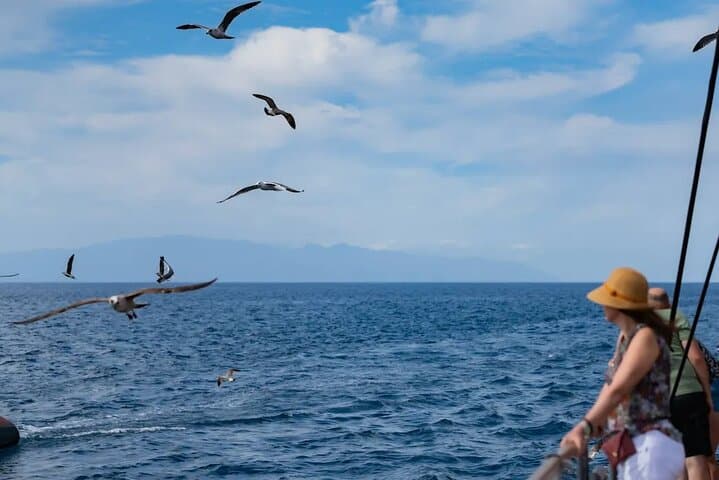
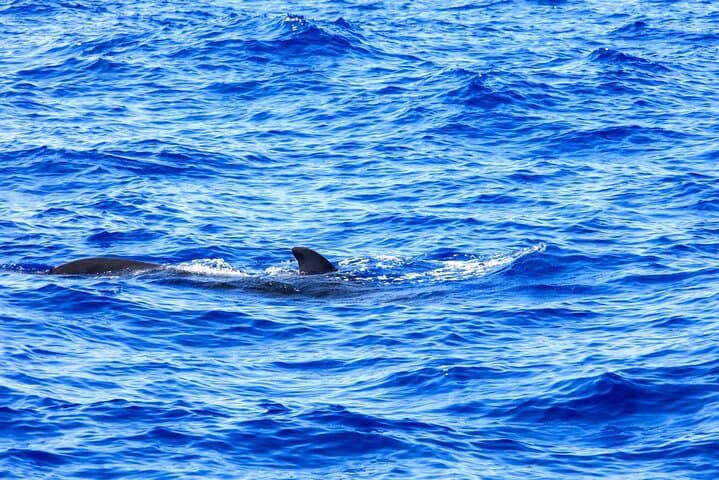
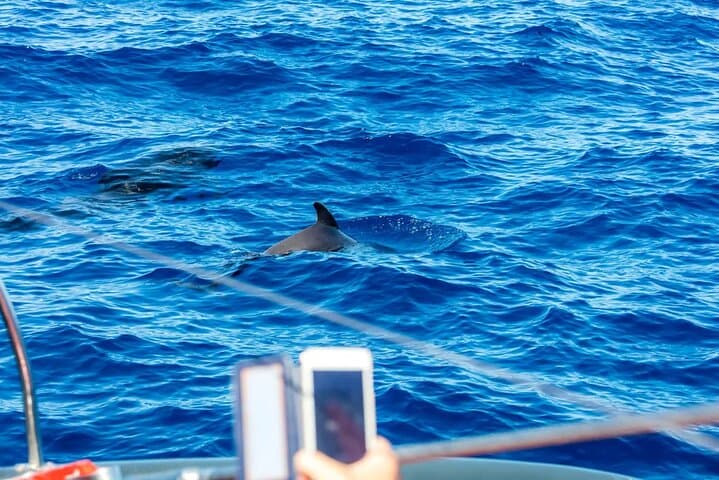
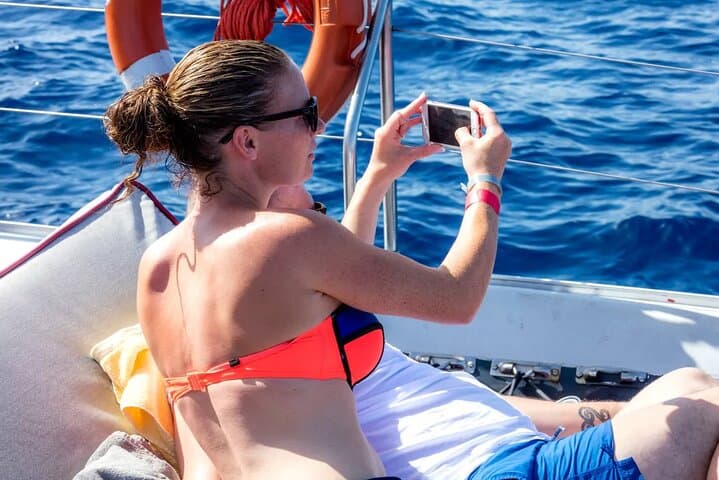
The catamaran slips away from the marina and the island rearranges itself: low-slung resorts give way to black volcanic cliffs that rise like folded curtains from the sea. On deck, the wind ridges the water into bright silver and the captain points the bow toward a stretch of coastline where pilot whales and dolphins are known to play. The day is built around that possibility—sunning on the trampoline, a quick swim off the stern, and the sudden, electric arcs of animals cutting through the ocean.
The catamaran slips away from the marina and the island rearranges itself: low-slung resorts give way to black volcanic cliffs that rise like folded curtains from the sea. On deck, the wind ridges the water into bright silver and the captain points the bow toward a stretch of coastline where pilot whales and dolphins are known to play. The day is built around that possibility—sunning on the trampoline, a quick swim off the stern, and the sudden, electric arcs of animals cutting through the ocean.
Tenerife is volcanic by origin; the sharply eroded cliffs of Los Gigantes are recent chapters in a long geologic story of lava flows, collapse, and sea. Masca itself—reached on this route by an anchored swim in its protected bay—sits beneath steep terraces that were once carved and farmed by isolated mountain communities. For centuries these waters have fed fishing villages and attracted mariners; today they also host one of the North Atlantic’s most visible cetacean populations.
Onboard, the atmosphere is casual and practical: shaded seating surrounds a bar offering water, sangria and beer, and a simple lunch is served between sighting watches. Crew members double as naturalists—identifying species, pointing out the dark dorsal ridges of short‑finned pilot whales, and explaining how local currents funnel baitfish and the predators that follow them. The coastline acts like a living map; sea caves, basalt columns and the vertical faces of Los Gigantes read like a geology primer while the captain maneuvers for the best views.
This outing balances leisure and observation. It’s family‑friendly and physically low-demand, but the rewards are sensory—salt on the skin, the slap of a dolphin’s back, the hush when a pod rides the bow wave.
Practicalities: cruises depart from Puerto Colón in Costa Adeje and last about four hours. Expect basic swim stops (bring swimwear and a quick-dry towel), flat deck surfaces, and shaded seating. Wildlife sightings are common but never guaranteed—bring binoculars and patience. Motion‑sickness medication is a sensible precaution for those who feel the sea.
Timing matters: mornings often bring calmer seas and better light for photography; late afternoons can be warm and golden. Respect the animals—follow the crew’s guidance on distance and noise—and pack out what you pack in. With comfortable footwear for boarding, reef-safe sunscreen, and a curiosity for marine life, the Freebird catamaran offers an intimate, pragmatic way to see Tenerife’s cliffs and the wildlife they host.