THE ADVENTURE COLLECTIVE® · Independent discovery and booking for outdoor travel

Turn Fort Bragg into a gameboard with an 18-stop self-guided scavenger hunt. Walk about 2.5 miles from downtown to Glass Beach, solving smartphone clues at your own pace.
Turn Fort Bragg into a gameboard with an 18-stop self-guided scavenger hunt. Walk about 2.5 miles from downtown to Glass Beach, solving smartphone clues at your own pace.
You step off Elm Street and the ocean’s edge presses at the town’s fringe—salty air, gull calls, and the bright, glass-strewn curve of Glass Beach waiting ahead.
Verified experiences and guided adventures in the surrounding area.
Operated by Scavenger Hunt Walking Tours · Fort Bragg, California
You step off Elm Street and the ocean’s edge presses at the town’s fringe—salty air, gull calls, and the bright, glass-strewn curve of Glass Beach waiting ahead.
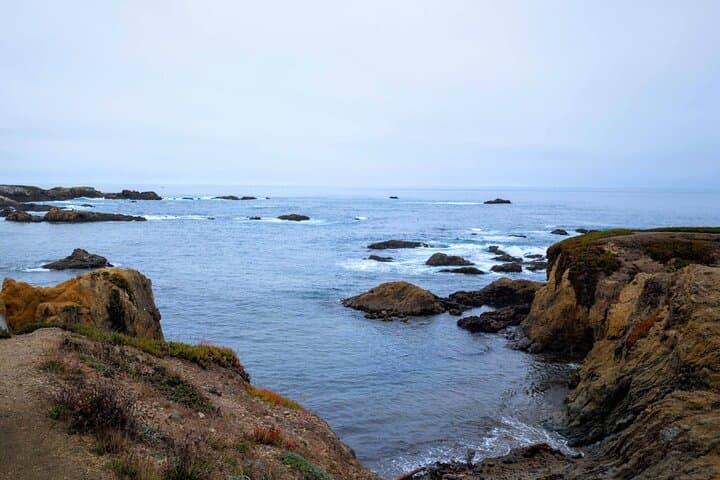
This self-guided scavenger hunt turns Fort Bragg into a puzzle: 18 challenges stretch across roughly 2.5 miles of sidewalks, coastal trail, and downtown blocks. The route threads historic storefronts, the restored railroad corridor, and the exposed sandstone benches along the bluff, offering a compact view of Mendocino County’s coastal geology—marine terraces carved by waves and uplift.
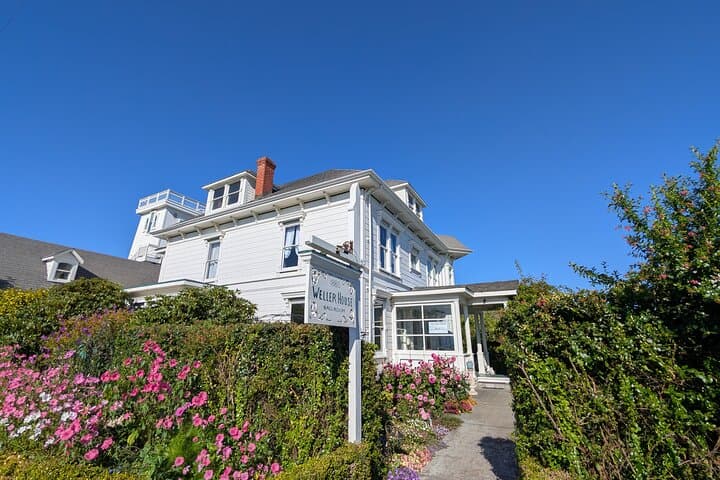
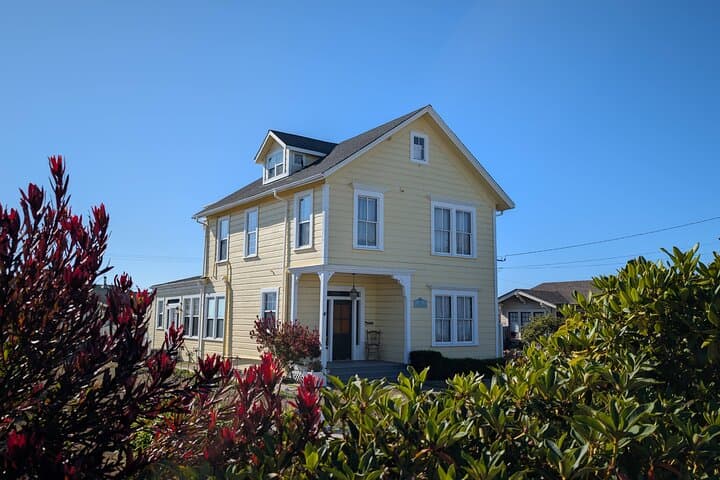
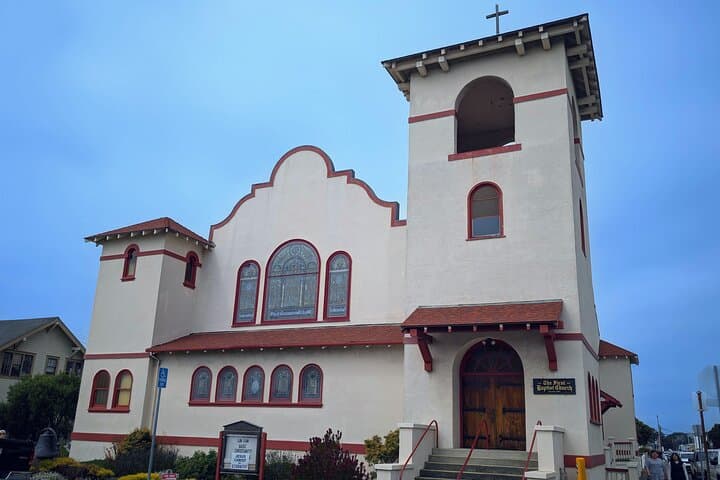
Fort Bragg’s history shows up between clues: a former logging and rail hub that reinvented itself as a fishing and tourist town, with Indigenous Pomo connections underlying local place names and shoreline stewardship. Culture here leans maritime and creative—boardwalk artists, seafood shacks, and community gardens that reflect a small town repurposing its shore economy.
Practically, the game is playable any day from dawn to dusk; you begin at 300 W Elm St and use your smartphone to unlock each clue. Expect mixed pavement and a short stretch of packed coastal trail with modest elevation change—nothing technical but you will be on your feet for 2–3 hours.
Bring sturdy walking shoes, a charged phone, and layers for coastal wind. The tour accommodates strollers and wheelchairs on most stretches but note some uneven sidewalks near historic blocks. Play with 2–6 people, move at your own pace, and keep an eye out for tide-influenced views at the bluff—this is a walk that teaches you where the town came from while it dares you to beat the leaderboard.
easy.
2–3 hours.
Light walking fitness; able to cover 2.5 miles with short stops and some stairs or uneven sidewalks.
The route covers about 2.5 miles and is rated easy—mostly flat sidewalks and a short stretch of packed coastal trail, suitable for most ages and fitness levels.
The self-guided tour is available any day and time that fits your schedule after you complete online checkout; there’s no in-person guide.
The tour starts and ends at 300 W Elm St, Fort Bragg—follow the smartphone prompts to navigate the loop of downtown and coastal points of interest.
Most areas and surfaces are wheelchair and stroller accessible, though some older sidewalks and short stair sections near historic sites may be uneven.
Fort Bragg developed as a late-19th-century logging and rail town; remnants of that era appear in the downtown layout and old rail corridor now used as trails.
Glass Beach and the coastal bluffs are protected by local ordinances and volunteer cleanups—avoid collecting glass and pack out trash to support shoreline recovery.
Scavenger Hunt Walking Tours operates guided outdoor trips and adventures with an emphasis on safety, stewardship, and memorable experiences.
You step off Elm Street and the ocean’s edge presses at the town’s fringe—salty air, gull calls, and the bright, glass-strewn curve of Glass Beach waiting ahead.
You step off Elm Street and the ocean’s edge presses at the town’s fringe—salty air, gull calls, and the bright, glass-strewn curve of Glass Beach waiting ahead.
This self-guided scavenger hunt turns Fort Bragg into a puzzle: 18 challenges stretch across roughly 2.5 miles of sidewalks, coastal trail, and downtown blocks. The route threads historic storefronts, the restored railroad corridor, and the exposed sandstone benches along the bluff, offering a compact view of Mendocino County’s coastal geology—marine terraces carved by waves and uplift.
Fort Bragg’s history shows up between clues: a former logging and rail hub that reinvented itself as a fishing and tourist town, with Indigenous Pomo connections underlying local place names and shoreline stewardship. Culture here leans maritime and creative—boardwalk artists, seafood shacks, and community gardens that reflect a small town repurposing its shore economy.
Practically, the game is playable any day from dawn to dusk; you begin at 300 W Elm St and use your smartphone to unlock each clue. Expect mixed pavement and a short stretch of packed coastal trail with modest elevation change—nothing technical but you will be on your feet for 2–3 hours.
Bring sturdy walking shoes, a charged phone, and layers for coastal wind. The tour accommodates strollers and wheelchairs on most stretches but note some uneven sidewalks near historic blocks. Play with 2–6 people, move at your own pace, and keep an eye out for tide-influenced views at the bluff—this is a walk that teaches you where the town came from while it dares you to beat the leaderboard.