THE ADVENTURE COLLECTIVE® · Independent discovery and booking for outdoor travel

Kick up dust on an off-road safari through the Segesta countryside, with wide-open views of the temple, vineyards, and the Gulf of Castellammare. This guided buggy tour blends culture, nature, and seasonal tastes into a punchy, two-and-a-half-hour hit of western Sicily.
Kick up dust on an off-road safari through the Segesta countryside, with wide-open views of the temple, vineyards, and the Gulf of Castellammare. This guided buggy tour blends culture, nature, and seasonal tastes into a punchy, two-and-a-half-hour hit of western Sicily.
The engine thrums, a steady heartbeat under the hood, as the track lifts toward the limestone shoulders of Monte Pispisa. Dust curls behind the buggy like a flag, and the Mediterranean scrub leans into the wind as if urging you onward. Ahead, the Egadi Islands hover on the horizon; behind, vineyards stitch the valleys toward the Gulf of Castellammare. This is western Sicily in motion—earthy, aromatic, and very much alive.
Verified experiences and guided adventures in the surrounding area.
Operated by Segesta Tour 4x4 · Calatafimi-Segesta, Sicily
The engine thrums, a steady heartbeat under the hood, as the track lifts toward the limestone shoulders of Monte Pispisa. Dust curls behind the buggy like a flag, and the Mediterranean scrub leans into the wind as if urging you onward. Ahead, the Egadi Islands hover on the horizon; behind, vineyards stitch the valleys toward the Gulf of Castellammare. This is western Sicily in motion—earthy, aromatic, and very much alive.
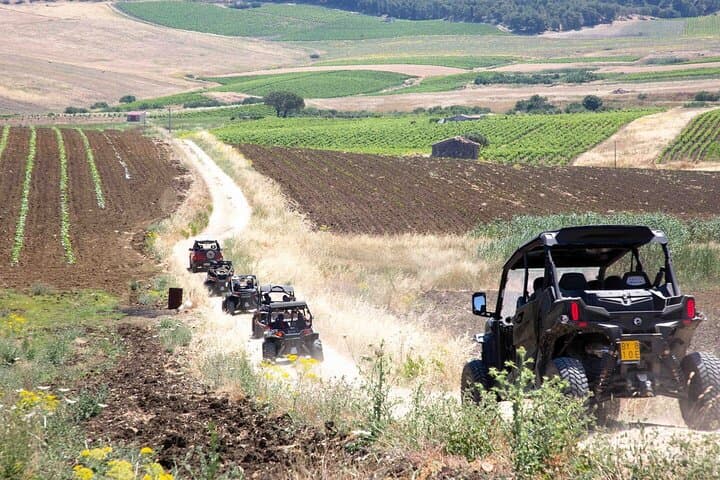
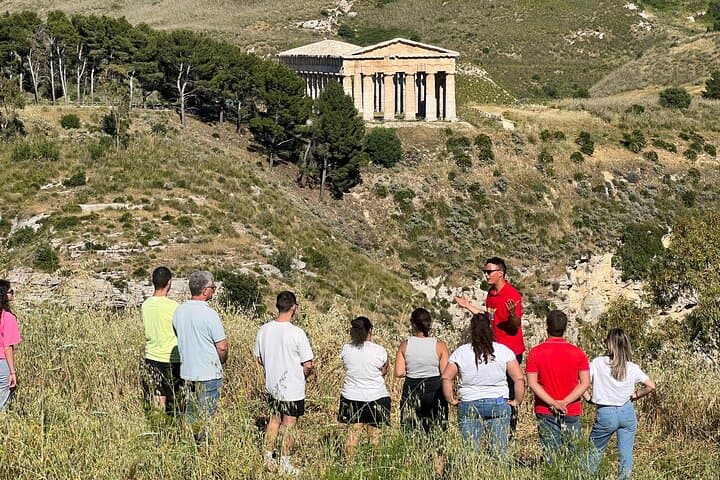
Guides lead the convoy onto a web of farm lanes and rocky doubletrack, threading through dwarf fan palms and wild thyme. The landscape carries its history in plain view. Across the ravine, the Temple of Segesta commands a rise on Monte Barbaro, its fifth-century BCE columns remarkably intact. Built by the Elymians—an indigenous people who traded barbs and treaties with Greeks and Carthaginians—the temple may never have been completed, yet its presence is unflinching. From the off-road vantage, you see it the way shepherds and vintners still do: part monument, part compass.
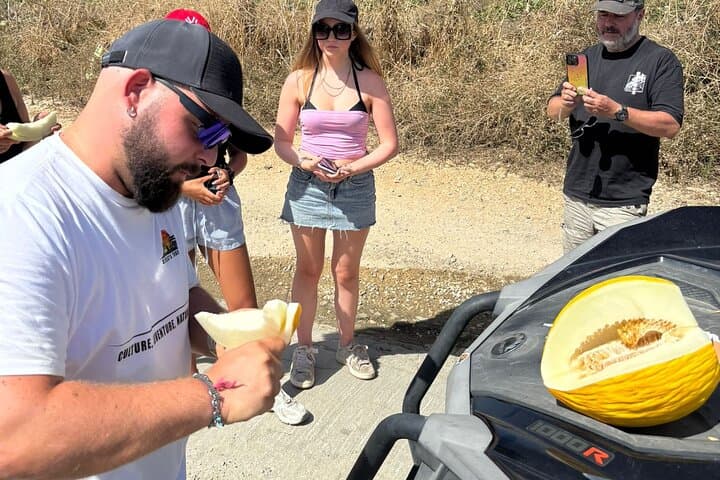
Geology sets the tone here. The hills are limestone and marl, crumbly under a long summer, drinking winter rain, and feeding vines of Catarratto and Grillo. Between tracks, the Mediterranean maquis tightens and relaxes—palma nana rattles in gusts, mastic and lentisk release resinous notes, and hoopoes flash across the rows. Stops come with context: stories of ancient riverbeds that once skirted the temple; the rough, useful life of palm fibers woven into brooms and baskets; the agricultural rhythm of harvest and pruning. There’s also flavor. Seasonal fruit—figs, prickly pears, or grapes, depending on the month—travels straight from plant to palm.
Expect a mix of smooth farm road and chattery rock under tire, with short, easy strolls to viewpoints. The ride is bumpy by design. In summer, heat presses down and dust rides the slipstream; winter trades powder-dry corners for tacky soil and ocean-cleared skies. Morning and late afternoon deliver the best light and cooler air, but even midday offers wide-open views when the sirocco isn’t pushing.
Practicalities are simple. Wear closed-toe shoes and clothes you don’t mind dusty. A light layer helps on ridgelines. Water is typically provided, and a neck gaiter makes breathing easier when the convoy kicks up powder. This experience views the Temple of Segesta from outside the archaeological park; if you want to walk the colonnade, plan a separate stop. Families are welcome, and guides keep the pace welcoming but purposeful, blending cultural notes with route-finding so you can focus on what Sicily does best: charging your senses, one track at a time.
easy.
2–3 hours.
Suitable for most travelers who can tolerate bumpy off-road travel and short, uneven walks to viewpoints.
This is a guided off-road experience with the operator leading the route; participants typically ride as passengers. Driving opportunities may vary—confirm with the operator at booking.
Yes. Families are welcome and child seats are available on request; always share ages and sizes in advance so the team can prepare properly.
The tour showcases the temple from scenic exterior viewpoints. Entrance to the archaeological park is not included; plan a separate visit if you wish to go inside.
Closed-toe shoes, breathable clothing you don’t mind getting dusty, sunglasses, and a light layer for wind. In summer, add sunblock and a hat.
Guides commonly lead in Italian, English, and French, making commentary and safety briefings accessible.
Expect a mix of graded farm roads and rocky doubletrack. It’s jouncy but manageable; not recommended during pregnancy or for those with serious back issues.
Segesta was founded by the Elymians and later shaped by Greek, Carthaginian, and Roman influence; its 5th‑century BCE temple may have been left unfinished, yet remains exceptionally preserved.
Stay on established tracks to protect Mediterranean scrub and prevent erosion. Summer brings high fire risk—avoid open flames and pack out all waste.
Segesta Tour 4x4 operates guided outdoor trips and adventures with an emphasis on safety, stewardship, and memorable experiences.
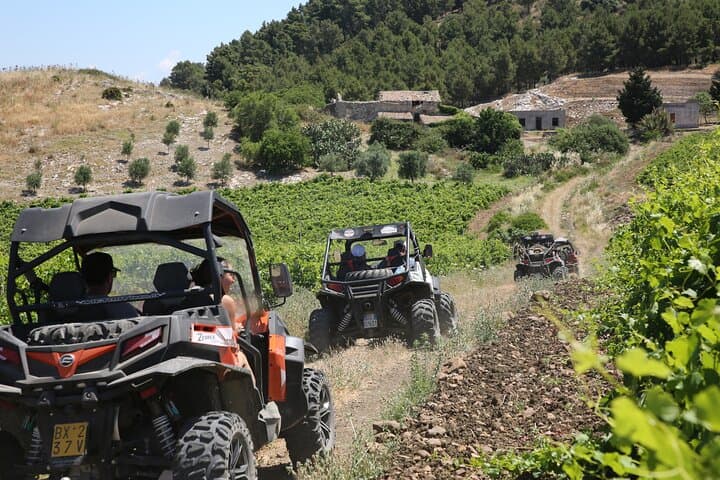
The engine thrums, a steady heartbeat under the hood, as the track lifts toward the limestone shoulders of Monte Pispisa. Dust curls behind the buggy like a flag, and the Mediterranean scrub leans into the wind as if urging you onward. Ahead, the Egadi Islands hover on the horizon; behind, vineyards stitch the valleys toward the Gulf of Castellammare. This is western Sicily in motion—earthy, aromatic, and very much alive.
The engine thrums, a steady heartbeat under the hood, as the track lifts toward the limestone shoulders of Monte Pispisa. Dust curls behind the buggy like a flag, and the Mediterranean scrub leans into the wind as if urging you onward. Ahead, the Egadi Islands hover on the horizon; behind, vineyards stitch the valleys toward the Gulf of Castellammare. This is western Sicily in motion—earthy, aromatic, and very much alive.
Guides lead the convoy onto a web of farm lanes and rocky doubletrack, threading through dwarf fan palms and wild thyme. The landscape carries its history in plain view. Across the ravine, the Temple of Segesta commands a rise on Monte Barbaro, its fifth-century BCE columns remarkably intact. Built by the Elymians—an indigenous people who traded barbs and treaties with Greeks and Carthaginians—the temple may never have been completed, yet its presence is unflinching. From the off-road vantage, you see it the way shepherds and vintners still do: part monument, part compass.
Geology sets the tone here. The hills are limestone and marl, crumbly under a long summer, drinking winter rain, and feeding vines of Catarratto and Grillo. Between tracks, the Mediterranean maquis tightens and relaxes—palma nana rattles in gusts, mastic and lentisk release resinous notes, and hoopoes flash across the rows. Stops come with context: stories of ancient riverbeds that once skirted the temple; the rough, useful life of palm fibers woven into brooms and baskets; the agricultural rhythm of harvest and pruning. There’s also flavor. Seasonal fruit—figs, prickly pears, or grapes, depending on the month—travels straight from plant to palm.
Expect a mix of smooth farm road and chattery rock under tire, with short, easy strolls to viewpoints. The ride is bumpy by design. In summer, heat presses down and dust rides the slipstream; winter trades powder-dry corners for tacky soil and ocean-cleared skies. Morning and late afternoon deliver the best light and cooler air, but even midday offers wide-open views when the sirocco isn’t pushing.
Practicalities are simple. Wear closed-toe shoes and clothes you don’t mind dusty. A light layer helps on ridgelines. Water is typically provided, and a neck gaiter makes breathing easier when the convoy kicks up powder. This experience views the Temple of Segesta from outside the archaeological park; if you want to walk the colonnade, plan a separate stop. Families are welcome, and guides keep the pace welcoming but purposeful, blending cultural notes with route-finding so you can focus on what Sicily does best: charging your senses, one track at a time.