THE ADVENTURE COLLECTIVE® · Independent discovery and booking for outdoor travel

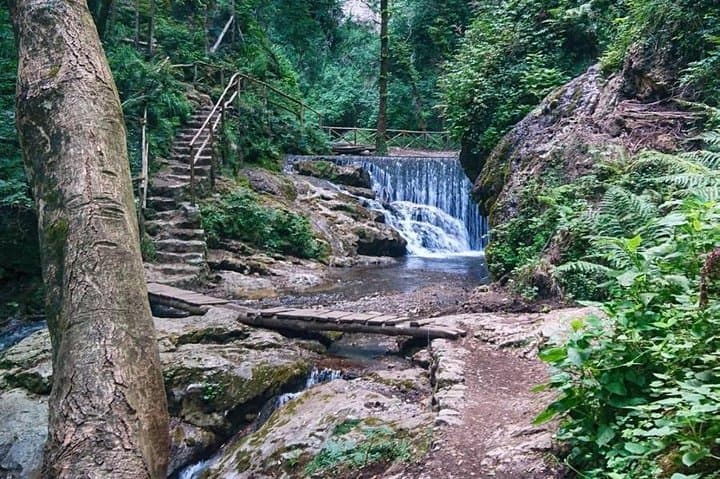
Follow Rio Canneto into a protected gorge where waterfalls, rare plant communities and old ironwork ruins mark a rugged 4.5-hour trek between Scala and Amalfi. This guided route pairs drama with natural science—expect wet rocks, steep steps and quiet biodiversity.
Follow Rio Canneto into a protected gorge where waterfalls, rare plant communities and old ironwork ruins mark a rugged 4.5-hour trek between Scala and Amalfi. This guided route pairs drama with natural science—expect wet rocks, steep steps and quiet biodiversity.
You push through a doorway of laurel and holly, and the world drops into green. The light narrows; the canyon walls close in; a river—Rio Canneto—threads the valley with a voice of falling water. On Ferriere's Path the air smells of wet stone and wild mint, and every step feels like stepping back through time to a place Italy has left intentionally wild.
Verified experiences and guided adventures in the surrounding area.
Operated by TASTETHEXPERIENCE · Scala, Campania
You push through a doorway of laurel and holly, and the world drops into green. The light narrows; the canyon walls close in; a river—Rio Canneto—threads the valley with a voice of falling water. On Ferriere's Path the air smells of wet stone and wild mint, and every step feels like stepping back through time to a place Italy has left intentionally wild.
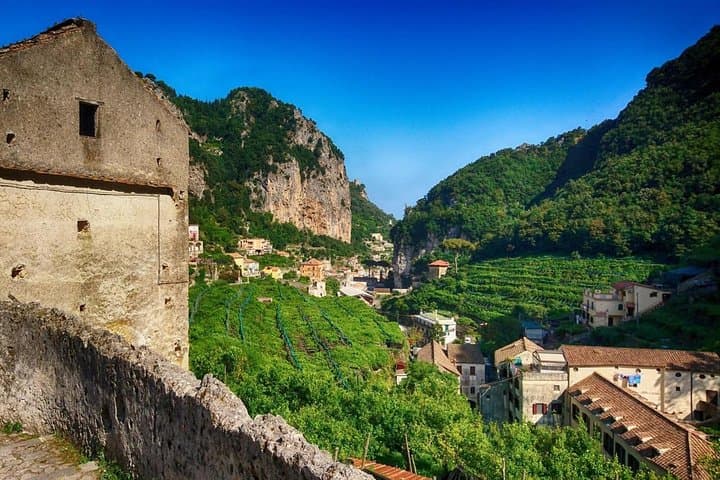
The Valle delle Ferriere sits between Scala and Amalfi and is one of Italy's 41 biogenetic reserves. Geological forces carved this gorge from limestone and tuff; ancient landslides and millennia of running water left steep cliffs and narrow terraces where Mediterranean scrub meets mesophilous, moisture-loving forest. The valley’s microclimate is its signature: cold northern breezes are bottled by the ridges while warm, humid sea air rises from the south, producing an inversion of vegetation—cool, shade-loving species in the ravine bottom and xeric coastal macchia higher up.
This trek is more than exercise; it’s a study in ecology and local history. Mills and ironworks once dotted the banks—hence the name Ferriere—and traces of old stone channels and foundations surface under ferns. Your guide will point out endemic plants and explain how this pocket of biodiversity persisted because the valley is steep, difficult to access, and protected.
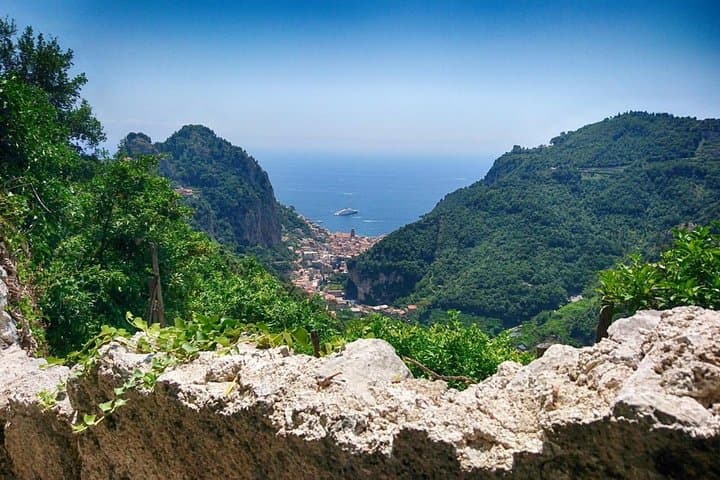
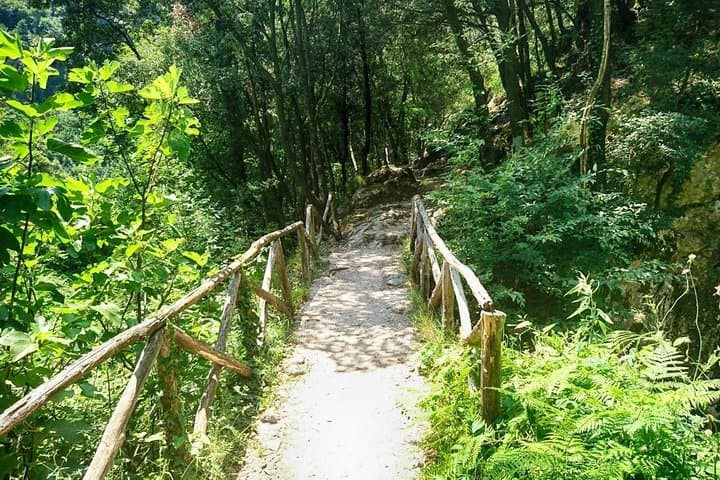
The route follows the stream, climbs to viewpoints that pry open the Amalfi coast like a panorama, and threads narrow paths cut into rock. Expect rocky steps, root-choked switchbacks and wet sections where the river dares you to choose the dryer stone. The full guided trek runs roughly 4.5 hours for up to 12 people and requires a moderate-to-high fitness level; the guide handles navigation.
Practicalities: arrive in Amalfi or Scala; public transport options exist but check the schedule—buses are infrequent in shoulder seasons. Wear grippy boots, bring layered clothing for sudden changes in temperature, and carry water (1–2 liters) and rain protection—weather can shift rapidly in the gorge. Because the reserve is fragile, stick to trails, pack out trash and avoid picking plants. Cancellation policies allow refunds up to 24 hours before departure.
Why go? For dramatic river scenery, the rare inversion of plant communities, and a feeling of real remoteness a short distance from the sunlit terraces of the Amalfi Coast. The trail rewards steady effort with waterfalls, fern-carpeted hollows, and views that open to the sea like a long-awaited reveal.
challenging.
4–5 hours.
Good cardiovascular fitness and steady hiking legs; comfortable on uneven, steep terrain
The route is rated challenging due to uneven, steep sections and wet rocky steps; a moderate-to-high fitness level is recommended.
Older, experienced hikers in good shape can manage sections; children should be supervised and the guide can advise based on ages.
The reserve is sensitive and trails can be confusing; guided trips are recommended for safety and interpretive value.
Service animals are permitted; other pets may not be appropriate due to terrain and conservation rules—check with the operator first.
Full refunds are available if you cancel at least 24 hours before departure; trips may be canceled for bad weather.
Buses run between Amalfi, Scala and nearby points but schedules vary; allow extra time or arrange private transfer if tight on time.
The valley's name references historic ironworking and water-powered mills; old stone channels and foundations still surface along the stream.
The area is a protected biogenetic reserve—stay on trails, avoid plant collection, and support local guides who manage visitor impact.
TASTETHEXPERIENCE operates guided outdoor trips and adventures with an emphasis on safety, stewardship, and memorable experiences.
You push through a doorway of laurel and holly, and the world drops into green. The light narrows; the canyon walls close in; a river—Rio Canneto—threads the valley with a voice of falling water. On Ferriere's Path the air smells of wet stone and wild mint, and every step feels like stepping back through time to a place Italy has left intentionally wild.
You push through a doorway of laurel and holly, and the world drops into green. The light narrows; the canyon walls close in; a river—Rio Canneto—threads the valley with a voice of falling water. On Ferriere's Path the air smells of wet stone and wild mint, and every step feels like stepping back through time to a place Italy has left intentionally wild.
The Valle delle Ferriere sits between Scala and Amalfi and is one of Italy's 41 biogenetic reserves. Geological forces carved this gorge from limestone and tuff; ancient landslides and millennia of running water left steep cliffs and narrow terraces where Mediterranean scrub meets mesophilous, moisture-loving forest. The valley’s microclimate is its signature: cold northern breezes are bottled by the ridges while warm, humid sea air rises from the south, producing an inversion of vegetation—cool, shade-loving species in the ravine bottom and xeric coastal macchia higher up.
This trek is more than exercise; it’s a study in ecology and local history. Mills and ironworks once dotted the banks—hence the name Ferriere—and traces of old stone channels and foundations surface under ferns. Your guide will point out endemic plants and explain how this pocket of biodiversity persisted because the valley is steep, difficult to access, and protected.
The route follows the stream, climbs to viewpoints that pry open the Amalfi coast like a panorama, and threads narrow paths cut into rock. Expect rocky steps, root-choked switchbacks and wet sections where the river dares you to choose the dryer stone. The full guided trek runs roughly 4.5 hours for up to 12 people and requires a moderate-to-high fitness level; the guide handles navigation.
Practicalities: arrive in Amalfi or Scala; public transport options exist but check the schedule—buses are infrequent in shoulder seasons. Wear grippy boots, bring layered clothing for sudden changes in temperature, and carry water (1–2 liters) and rain protection—weather can shift rapidly in the gorge. Because the reserve is fragile, stick to trails, pack out trash and avoid picking plants. Cancellation policies allow refunds up to 24 hours before departure.
Why go? For dramatic river scenery, the rare inversion of plant communities, and a feeling of real remoteness a short distance from the sunlit terraces of the Amalfi Coast. The trail rewards steady effort with waterfalls, fern-carpeted hollows, and views that open to the sea like a long-awaited reveal.