THE ADVENTURE COLLECTIVE® · Independent discovery and booking for outdoor travel

A family-focused, private day tour through Hakone that pairs hands-on Edo-period parquet crafts with Hakone Shrine, an aquarium visit, and a Lake Ashi pirate-ship cruise. Ideal for kids and adults who want culture, nature, and easy public-transit logistics in one accessible itinerary.
A family-focused, private day tour through Hakone that pairs hands-on Edo-period parquet crafts with Hakone Shrine, an aquarium visit, and a Lake Ashi pirate-ship cruise. Ideal for kids and adults who want culture, nature, and easy public-transit logistics in one accessible itinerary.
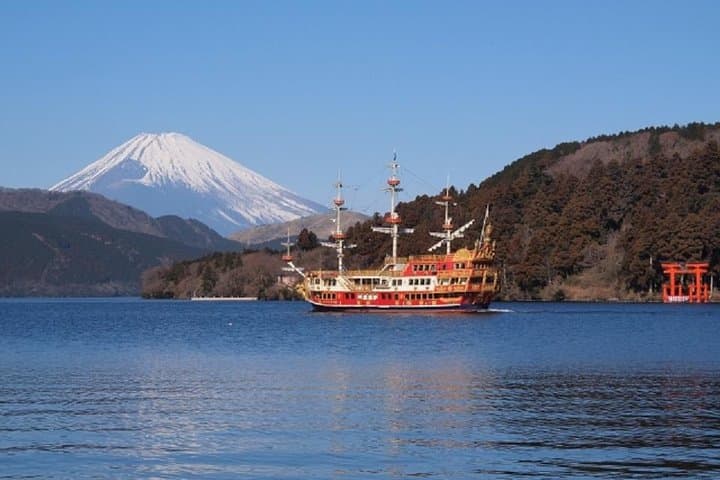
The morning air on Lake Ashi holds a flat, cool hush; gulls glide low enough to blur into the ship’s wake as the Hakone pirate replica slips away from the pier. Children press faces to the rail, eyes tracking a distant ridge where clouds braid themselves around the silhouette of Fuji. This day in Hakone moves at the measured rhythm of public transit—cable car, local bus, lakeside boat—each transfer a small, easy adventure that keeps little legs engaged and adults relieved.
Verified experiences and guided adventures in the surrounding area.
Operated by Fulfilling Inc. · Hakone, Kanagawa
The morning air on Lake Ashi holds a flat, cool hush; gulls glide low enough to blur into the ship’s wake as the Hakone pirate replica slips away from the pier. Children press faces to the rail, eyes tracking a distant ridge where clouds braid themselves around the silhouette of Fuji. This day in Hakone moves at the measured rhythm of public transit—cable car, local bus, lakeside boat—each transfer a small, easy adventure that keeps little legs engaged and adults relieved.
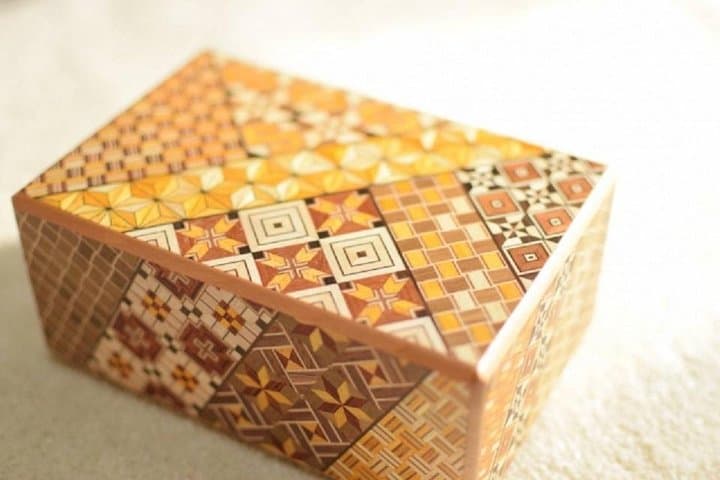
Start with a tactile lesson in history: the parquet craft studio where Edo-period joinery techniques become immediate and hand-held. Under a patient craftsman’s guidance, children learn to sand, align, and inlay—skills that turn a souvenir into a story. From there, the tour sweeps to Hakone Shrine, where cedar columns older than most family trees watch the moss-covered approach. The shrine’s vermilion gate looks out across Lake Ashi, an interior sea formed 3,000 years ago when volcanic debris dammed a river; the lake still seems to remember that push of geology in the way it holds wind and light.
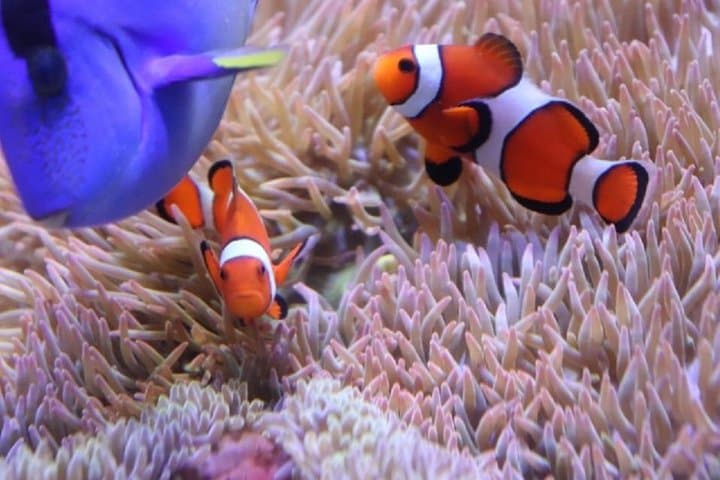
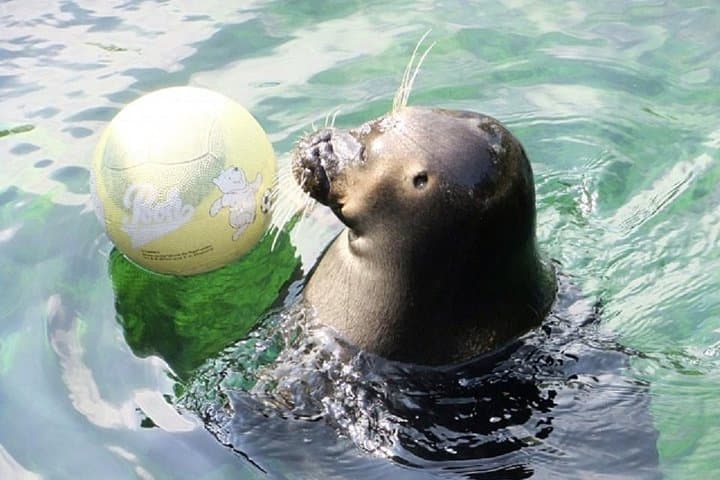
The aquarium at Hakone-en is a welcome contrast: compact tanks of coastal life and freshwater exhibits that make natural history accessible to restless attention spans. Then it’s back to the lake for the pirate ship cruise—a child-sized spectacle that doubles as a practical vantage point. On clear days Mt. Fuji punctures the skyline; on softer weather, the lake turns reflective and obliges photographers.
Cultural context is woven through the route. Hakone has been a mountain-stop on the Tokaido road since the Nara period, a place where travelers have long paused for hot springs and views. The modern tour uses the Hakone Free Pass logic—public transport links administered to move people efficiently between attractions—so the journey feels less like a scramble and more like a curated local commute.
Practical guidance: pack layers for shifting conditions, bring small bills for shrine offerings and light snacks, and aim for midweek visits if you want the quietest piers. The itinerary suits all fitness levels—walking between short, paved approaches and boardwalks—so stroller-friendly paths are common. If you plan to photograph the day, schedule the cruise for morning light when the lake holds reflections and Fuji, if present, reads crisply against the sky.
This is a day built for families: cultural touchpoints that educate, waterborne spectacle that delights, and a pace that respects both curiosity and nap schedules. Hakone here feels less like a checklist of sights and more like a sequence of small discoveries—each one accessible, each one with its own quiet reward.
easy.
6 hours.
Minimal fitness required; expect short walks on paved paths and steps at shrines and piers. Suitable for families with young children.
Yes—paths and attractions are stroller-accessible and the pace is family-oriented; workshops can accommodate children with supervision.
On clear days Mount Fuji is visible from Lake Ashi during the cruise; visibility depends on weather and season.
Admission and craft fees are often not included—confirm inclusions at booking and bring extra cash for on-site costs.
The tour uses public transport—Hakone’s buses, cable cars, and the lake cruise—which are coordinated by the guide and covered by the Free Pass option if purchased.
Yes—the cruise is designed for families with safe boarding and seating; life jackets are available and waters are calm within the lake basin.
Most stops are still enjoyable in light rain; bring waterproof layers. Some outdoor viewpoints may be limited in heavy weather but the itinerary can be adjusted.
Hakone has been an important post-station since the Nara and Edo periods; Lake Ashi itself formed around 3,000 years ago after volcanic debris blocked the Hakone River.
Visitors are encouraged to follow established paths and avoid feeding wildlife; local operators emphasize waste separation and low-impact boating on the lake.
Fulfilling Inc. operates guided outdoor trips and adventures with an emphasis on safety, stewardship, and memorable experiences.
The morning air on Lake Ashi holds a flat, cool hush; gulls glide low enough to blur into the ship’s wake as the Hakone pirate replica slips away from the pier. Children press faces to the rail, eyes tracking a distant ridge where clouds braid themselves around the silhouette of Fuji. This day in Hakone moves at the measured rhythm of public transit—cable car, local bus, lakeside boat—each transfer a small, easy adventure that keeps little legs engaged and adults relieved.
The morning air on Lake Ashi holds a flat, cool hush; gulls glide low enough to blur into the ship’s wake as the Hakone pirate replica slips away from the pier. Children press faces to the rail, eyes tracking a distant ridge where clouds braid themselves around the silhouette of Fuji. This day in Hakone moves at the measured rhythm of public transit—cable car, local bus, lakeside boat—each transfer a small, easy adventure that keeps little legs engaged and adults relieved.
Start with a tactile lesson in history: the parquet craft studio where Edo-period joinery techniques become immediate and hand-held. Under a patient craftsman’s guidance, children learn to sand, align, and inlay—skills that turn a souvenir into a story. From there, the tour sweeps to Hakone Shrine, where cedar columns older than most family trees watch the moss-covered approach. The shrine’s vermilion gate looks out across Lake Ashi, an interior sea formed 3,000 years ago when volcanic debris dammed a river; the lake still seems to remember that push of geology in the way it holds wind and light.
The aquarium at Hakone-en is a welcome contrast: compact tanks of coastal life and freshwater exhibits that make natural history accessible to restless attention spans. Then it’s back to the lake for the pirate ship cruise—a child-sized spectacle that doubles as a practical vantage point. On clear days Mt. Fuji punctures the skyline; on softer weather, the lake turns reflective and obliges photographers.
Cultural context is woven through the route. Hakone has been a mountain-stop on the Tokaido road since the Nara period, a place where travelers have long paused for hot springs and views. The modern tour uses the Hakone Free Pass logic—public transport links administered to move people efficiently between attractions—so the journey feels less like a scramble and more like a curated local commute.
Practical guidance: pack layers for shifting conditions, bring small bills for shrine offerings and light snacks, and aim for midweek visits if you want the quietest piers. The itinerary suits all fitness levels—walking between short, paved approaches and boardwalks—so stroller-friendly paths are common. If you plan to photograph the day, schedule the cruise for morning light when the lake holds reflections and Fuji, if present, reads crisply against the sky.
This is a day built for families: cultural touchpoints that educate, waterborne spectacle that delights, and a pace that respects both curiosity and nap schedules. Hakone here feels less like a checklist of sights and more like a sequence of small discoveries—each one accessible, each one with its own quiet reward.