THE ADVENTURE COLLECTIVE® · Independent discovery and booking for outdoor travel

Skip the resort circuit and take the tracks less traveled. This two‑hour 4x4 outback tour from Gros Islet scrapes the island’s volcanic ridges, stops at Donkey Beach and Epouge Bay, and shows a side of Saint Lucia few visitors encounter.
Skip the resort circuit and take the tracks less traveled. This two‑hour 4x4 outback tour from Gros Islet scrapes the island’s volcanic ridges, stops at Donkey Beach and Epouge Bay, and shows a side of Saint Lucia few visitors encounter.
The hum of a diesel engine, a spray of red earth against the wheel arch and the island opening up in sudden, raw slices — that’s the first impression of the Extreme Outback Tour in St Lucia. You roll away from the coastal hotels, cross a narrow ribbon of asphalt and are met almost immediately by rocky tracks that climb and drop through an evergreen scrub that seems to dare you to keep up.
Verified experiences and guided adventures in the surrounding area.
Operated by Fatbike Adventures · Gros Islet, Saint Lucia
The hum of a diesel engine, a spray of red earth against the wheel arch and the island opening up in sudden, raw slices — that’s the first impression of the Extreme Outback Tour in St Lucia. You roll away from the coastal hotels, cross a narrow ribbon of asphalt and are met almost immediately by rocky tracks that climb and drop through an evergreen scrub that seems to dare you to keep up.
Tracks wind along old plantation ridges and through gullies where rainwater has carved narrow trenches. The guide gestures to the horizon and you see, framed between palms, the steel of the Daren Sammy Cricket Ground and the shallow bowl of Epouge Bay. The tour doesn’t hide the island: it exposes the bones beneath the resort veneer — volcanic outcrops, laterite soils that stain clothing, and small fishing coves that feel like stops in a different century.
Saint Lucia’s landscape is a product of fire and water. Volcanic activity raised the spine of the island; erosion shaped the ridges and gullies that off‑road routes now follow. European colonial roads once linked sugar estates and fishing hamlets; today the same paths become an off‑road playground. Locals here still read weather in the smell of the soil and the direction of crosswinds, and your guide will often point out family farms and small bays that fed generations.
The cultural layer is straightforward: this is workaday island life up close. You pass small wooden houses, stray dogs that observe the convoy like judges, and roadside stalls where rum and fried provisions are sold from coolers. Drivers take pride in their machines and in knowing which line through a rocky chute will keep the vehicle upright — it’s local expertise more than bravado.
Practical edge: the tour runs about two hours and demands a moderate level of fitness — you’ll climb in and out of vehicles and brace for jostling on uneven ground. Wear sturdy closed‑toe shoes and clothes you don’t mind getting dirty. Hydrate in advance; bottled water is included but bring a refillable bottle to reduce waste. Because tracks can become slick after rain, dress in layers and leave valuables sealed in a dry bag. Minimum age is 18 and it’s not recommended for people with back or cardiovascular issues. Pickup ranges from Castries to Gros Islet; confirm your ship name and docking time if arriving by cruise.
If you want better photos, ask the guide for a slow run at scenic overlooks and be ready for action shots when the vehicle kicks up mud. Above all, respect the landscape: stay on designated routes and follow the lead of the driver — the trail looks inviting but it demands attention. This tour delivers the kind of island exposure most visitors never see: raw, immediate, and ruled by the land beneath your tires.
moderate.
2 hours.
Moderate — able to climb in/out of vehicles and tolerate bumpy rides; not suitable for those with spinal or serious cardiovascular conditions.
Minimum age is 18 years; this tour is not suitable for children or adolescents.
No — the provider does not recommend participation for pregnant travelers or those with spinal or serious cardiovascular conditions.
The tour is approximately 2 hours and includes off‑road driving over rocky and muddy tracks with short stops at local points of interest like Donkey Beach and Epouge Bay.
Light refreshments and bottled water are included, but carrying a refillable bottle and any personal snacks is recommended for comfort.
Yes — cruise passengers must provide ship name and docking/disembarkation times when booking so pickup can be arranged; hotel pickups are available from select properties.
Tours may be canceled in heavy weather for safety; light rain is common and vehicles/drivers are equipped for wet conditions, but tracks can get muddy and more challenging.
Many of the island’s tracks began as plantation routes that connected small sugar estates and fishing hamlets; those same paths now reveal the working landscape behind Saint Lucia’s tourist strip.
Off‑road driving can accelerate erosion and disturb fragile soils — stick to designated trails, follow guide instructions, and support operators who practice responsible route management.
Fatbike Adventures operates guided outdoor trips and adventures with an emphasis on safety, stewardship, and memorable experiences.
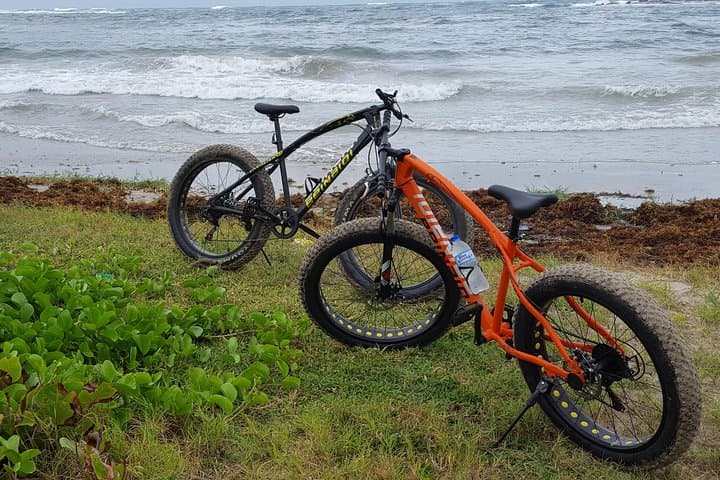
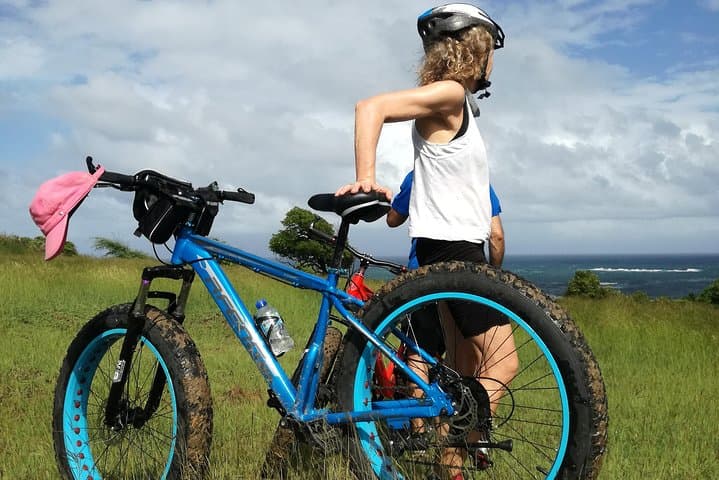
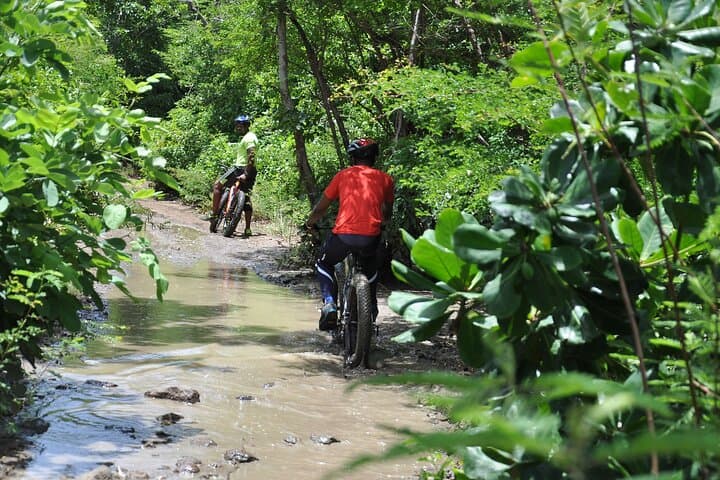
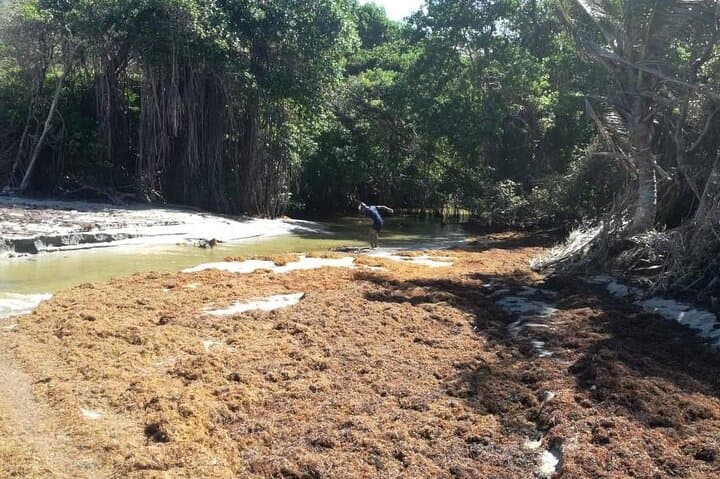
The hum of a diesel engine, a spray of red earth against the wheel arch and the island opening up in sudden, raw slices — that’s the first impression of the Extreme Outback Tour in St Lucia. You roll away from the coastal hotels, cross a narrow ribbon of asphalt and are met almost immediately by rocky tracks that climb and drop through an evergreen scrub that seems to dare you to keep up.
The hum of a diesel engine, a spray of red earth against the wheel arch and the island opening up in sudden, raw slices — that’s the first impression of the Extreme Outback Tour in St Lucia. You roll away from the coastal hotels, cross a narrow ribbon of asphalt and are met almost immediately by rocky tracks that climb and drop through an evergreen scrub that seems to dare you to keep up.
Tracks wind along old plantation ridges and through gullies where rainwater has carved narrow trenches. The guide gestures to the horizon and you see, framed between palms, the steel of the Daren Sammy Cricket Ground and the shallow bowl of Epouge Bay. The tour doesn’t hide the island: it exposes the bones beneath the resort veneer — volcanic outcrops, laterite soils that stain clothing, and small fishing coves that feel like stops in a different century.
Saint Lucia’s landscape is a product of fire and water. Volcanic activity raised the spine of the island; erosion shaped the ridges and gullies that off‑road routes now follow. European colonial roads once linked sugar estates and fishing hamlets; today the same paths become an off‑road playground. Locals here still read weather in the smell of the soil and the direction of crosswinds, and your guide will often point out family farms and small bays that fed generations.
The cultural layer is straightforward: this is workaday island life up close. You pass small wooden houses, stray dogs that observe the convoy like judges, and roadside stalls where rum and fried provisions are sold from coolers. Drivers take pride in their machines and in knowing which line through a rocky chute will keep the vehicle upright — it’s local expertise more than bravado.
Practical edge: the tour runs about two hours and demands a moderate level of fitness — you’ll climb in and out of vehicles and brace for jostling on uneven ground. Wear sturdy closed‑toe shoes and clothes you don’t mind getting dirty. Hydrate in advance; bottled water is included but bring a refillable bottle to reduce waste. Because tracks can become slick after rain, dress in layers and leave valuables sealed in a dry bag. Minimum age is 18 and it’s not recommended for people with back or cardiovascular issues. Pickup ranges from Castries to Gros Islet; confirm your ship name and docking time if arriving by cruise.
If you want better photos, ask the guide for a slow run at scenic overlooks and be ready for action shots when the vehicle kicks up mud. Above all, respect the landscape: stay on designated routes and follow the lead of the driver — the trail looks inviting but it demands attention. This tour delivers the kind of island exposure most visitors never see: raw, immediate, and ruled by the land beneath your tires.