THE ADVENTURE COLLECTIVE® · Independent discovery and booking for outdoor travel

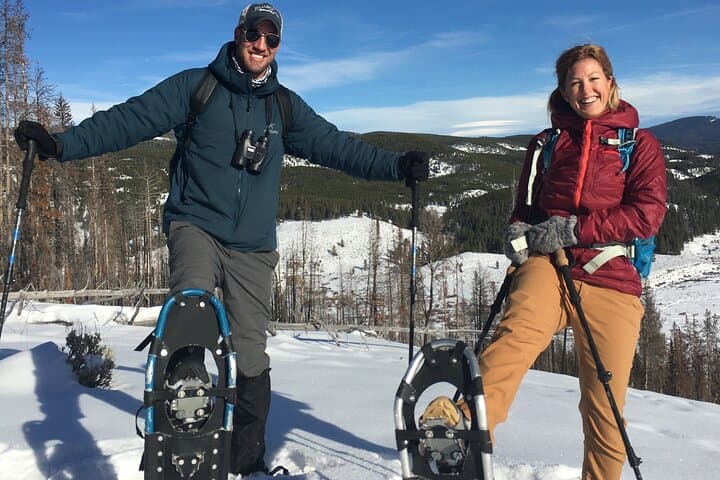
Discover Yellowstone National Park’s winter wilderness on snowshoes with a private full-day safari from Bozeman. This guided adventure combines wildlife tracking, geothermal wonders, and historic landmarks across snow-blanketed landscapes.
Discover Yellowstone National Park’s winter wilderness on snowshoes with a private full-day safari from Bozeman. This guided adventure combines wildlife tracking, geothermal wonders, and historic landmarks across snow-blanketed landscapes.
Winter in Yellowstone National Park reveals a landscape transformed—silent snow fields stretch across valleys where wildlife prints freeze in time, and thermal vents whisper steam against the cold air. The Yellowstone Snowshoe Safari from Bozeman invites travelers to traverse this frosted wilderness on ancient snowshoe technology, providing an intimate and active encounter with one of America's most iconic national parks.
Verified experiences and guided adventures in the surrounding area.
Operated by Yellowstone Safari Co. · Bozeman, Montana
Winter in Yellowstone National Park reveals a landscape transformed—silent snow fields stretch across valleys where wildlife prints freeze in time, and thermal vents whisper steam against the cold air. The Yellowstone Snowshoe Safari from Bozeman invites travelers to traverse this frosted wilderness on ancient snowshoe technology, providing an intimate and active encounter with one of America's most iconic national parks.
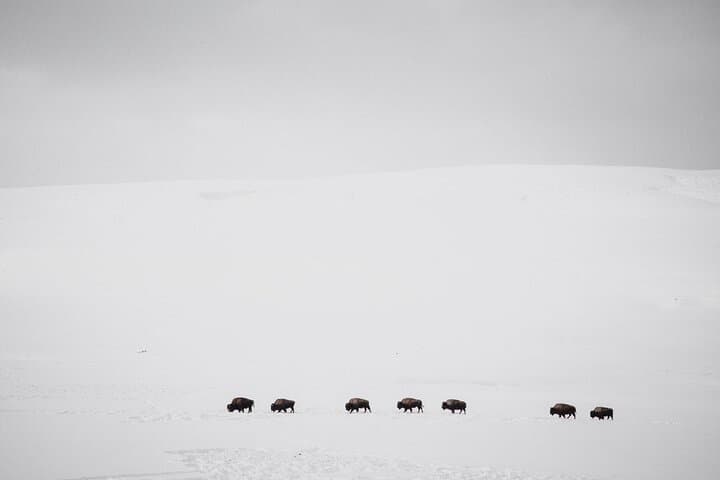
Departing from Bozeman, Montana, participants are guided through scenes that shift from broad valley floors dusted in powder to tree-lined ridges that catch the pale winter light. Paradise Valley marks an early highlight, hemmed by the Gallatin and Absaroka Ranges, where the Yellowstone River dares the snow as it snakes through the landscape. This corridor is alive with traces of elk, wolves, and bison migrating between summer and winter ranges, the naturalist guide keen to interpret signs fleeting to the casual observer.
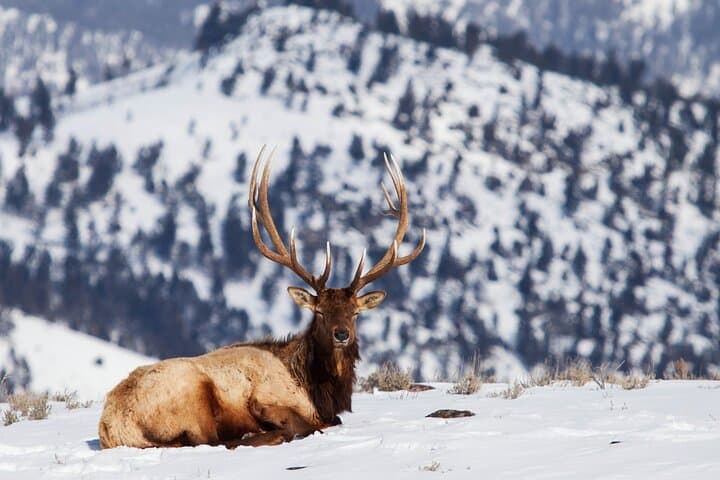
Further into the park, the Lamar Valley earns its nickname as "the Serengeti of North America" by hosting an array of wildlife amidst rolling hills coated in snow. Here, snowshoes press into trails that cut across frozen grasses, making it possible to approach quiet elk herds and perhaps spot wolves scouting distant ridges. The guide’s expertise brings to light the geological stories of the terrain—ancient volcanic activity sculpted terraces at Mammoth Hot Springs, their mineral formations tinting the snow’s whiteness with subtle reds and browns, colors birthed from resilient algae thriving in mineral pools.
A contemplative pause at the Roosevelt Arch, standing sentinel since 1903 at Yellowstone’s Gardiner entrance, frames the human history of conservation efforts that have protected this wilderness for over a century.
The full-day trek covers varied terrain with moderate elevation shifts, demanding a steady fitness level but no advanced technical skills. Along the way, locally sourced snacks and a picnic lunch fuel the body, while UHD binoculars offer close glimpses of far-enough wildlife without intrusion.
For those planning this winter excursion, layered clothing and traction-ready footwear are essential to navigate snowy trails comfortably. Early season snowfalls and low temperatures call for versatility in gear, while understanding park regulations and wildlife etiquette enriches the experience.
This snowshoe safari blends the thrill of discovery, the quiet of wintertime Yellowstone, and the grounding discipline of movement through rugged terrain—an active meditation in one of America’s elemental landscapes.
moderate.
6–11 hours.
Participants should have moderate fitness with the ability to hike steadily on snowy terrain for several hours.
No prior experience is necessary; guides provide instruction and support throughout the tour.
Winter months when the park is snow-covered, typically December through March, offer optimal snowshoeing conditions.
Yes, the tour includes locally sourced snacks and a picnic lunch during the outing.
Yes, all necessary snowshoeing equipment is provided as part of the tour.
Children aged six and older can participate, but those requiring car seats should bring their own.
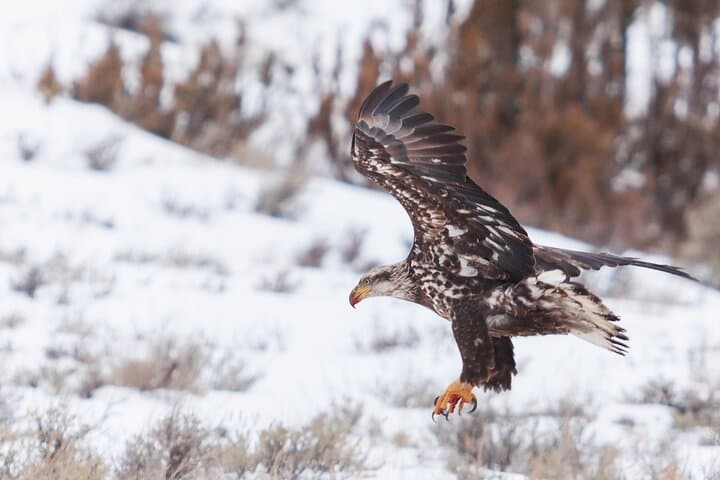
You may see elk, bison, wolves, and other winter-adapted species common to Yellowstone’s valleys.
The Roosevelt Arch, constructed in 1903 from columnar basalt, marks Yellowstone’s historic north entrance and symbolizes early conservation efforts.
Yellowstone’s winter ecology is fragile; responsible travel helps minimize impact on wildlife during their lean season.
Yellowstone Safari Co. operates guided outdoor trips and adventures with an emphasis on safety, stewardship, and memorable experiences.
Winter in Yellowstone National Park reveals a landscape transformed—silent snow fields stretch across valleys where wildlife prints freeze in time, and thermal vents whisper steam against the cold air. The Yellowstone Snowshoe Safari from Bozeman invites travelers to traverse this frosted wilderness on ancient snowshoe technology, providing an intimate and active encounter with one of America's most iconic national parks.
Winter in Yellowstone National Park reveals a landscape transformed—silent snow fields stretch across valleys where wildlife prints freeze in time, and thermal vents whisper steam against the cold air. The Yellowstone Snowshoe Safari from Bozeman invites travelers to traverse this frosted wilderness on ancient snowshoe technology, providing an intimate and active encounter with one of America's most iconic national parks.
Departing from Bozeman, Montana, participants are guided through scenes that shift from broad valley floors dusted in powder to tree-lined ridges that catch the pale winter light. Paradise Valley marks an early highlight, hemmed by the Gallatin and Absaroka Ranges, where the Yellowstone River dares the snow as it snakes through the landscape. This corridor is alive with traces of elk, wolves, and bison migrating between summer and winter ranges, the naturalist guide keen to interpret signs fleeting to the casual observer.
Further into the park, the Lamar Valley earns its nickname as "the Serengeti of North America" by hosting an array of wildlife amidst rolling hills coated in snow. Here, snowshoes press into trails that cut across frozen grasses, making it possible to approach quiet elk herds and perhaps spot wolves scouting distant ridges. The guide’s expertise brings to light the geological stories of the terrain—ancient volcanic activity sculpted terraces at Mammoth Hot Springs, their mineral formations tinting the snow’s whiteness with subtle reds and browns, colors birthed from resilient algae thriving in mineral pools.
A contemplative pause at the Roosevelt Arch, standing sentinel since 1903 at Yellowstone’s Gardiner entrance, frames the human history of conservation efforts that have protected this wilderness for over a century.
The full-day trek covers varied terrain with moderate elevation shifts, demanding a steady fitness level but no advanced technical skills. Along the way, locally sourced snacks and a picnic lunch fuel the body, while UHD binoculars offer close glimpses of far-enough wildlife without intrusion.
For those planning this winter excursion, layered clothing and traction-ready footwear are essential to navigate snowy trails comfortably. Early season snowfalls and low temperatures call for versatility in gear, while understanding park regulations and wildlife etiquette enriches the experience.
This snowshoe safari blends the thrill of discovery, the quiet of wintertime Yellowstone, and the grounding discipline of movement through rugged terrain—an active meditation in one of America’s elemental landscapes.