THE ADVENTURE COLLECTIVE® · Independent discovery and booking for outdoor travel

Walk through the ever-changing terrain of Kilauea on this 8-mile guided loop from Volcanoes National Park. Experience steaming vents, native forests, and the Thurston Lava Tube while learning about Hawai’i’s volatile geology.
Walk through the ever-changing terrain of Kilauea on this 8-mile guided loop from Volcanoes National Park. Experience steaming vents, native forests, and the Thurston Lava Tube while learning about Hawai’i’s volatile geology.
At the break of dawn on Hawai’i Island, the air carries a faint warmth mixed with whispers of steam rising from the earth itself. This guided 8-mile loop begins at the Kilauea Visitor Center, where under sprawling tree canopies, the day starts with fresh fruit, banana bread, and hot coffee — a quiet prelude to the raw power looming ahead.
Verified experiences and guided adventures in the surrounding area.
Operated by Volcanoes Hiking Guides · Volcano, Hawaii
At the break of dawn on Hawai’i Island, the air carries a faint warmth mixed with whispers of steam rising from the earth itself. This guided 8-mile loop begins at the Kilauea Visitor Center, where under sprawling tree canopies, the day starts with fresh fruit, banana bread, and hot coffee — a quiet prelude to the raw power looming ahead.
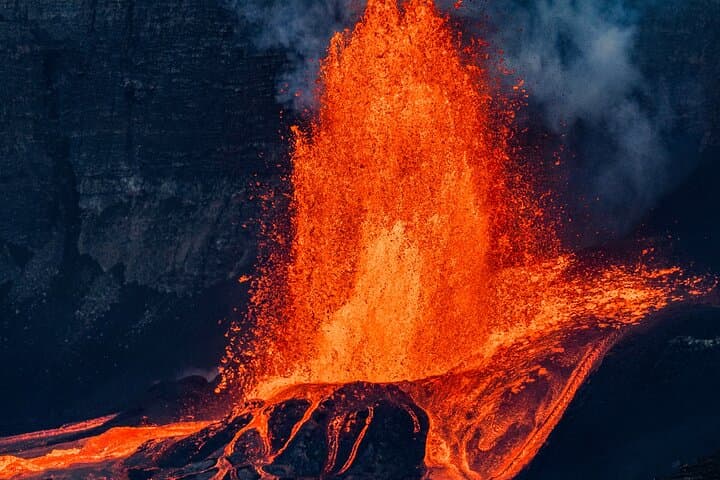
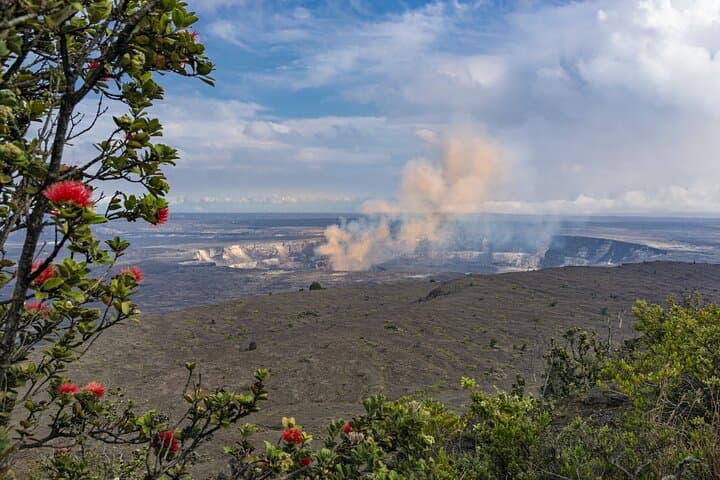
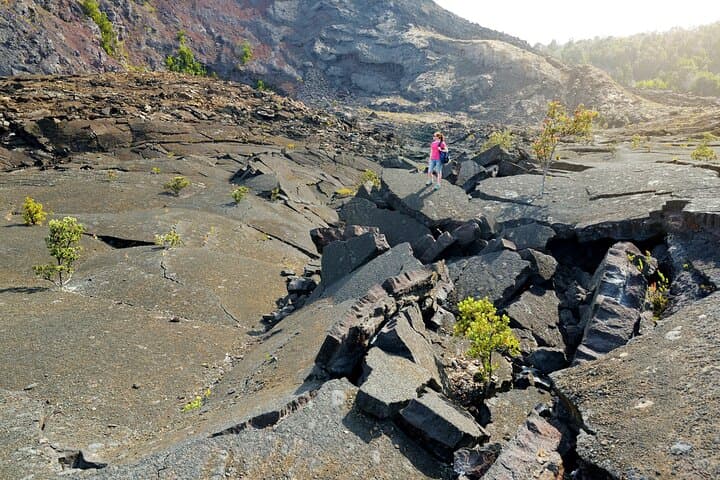
The hike unfurls with sprawling views of the Kilauea Iki Crater, a volcanic caldera that speaks to the island’s fiery past. Beneath your feet, hardened lava flows once roared with molten rock, now silent but alive with heat that still dares to surface as simmering steam vents dot the trail. As the path weaves deeper, native Hawaiian forests rise, their roots gripping volcanic soil, guarding the secrets of regeneration amid destruction.
Volcanoes National Park sits at the convergence of tectonic drama: the Pacific Plate sliding beneath the North American Plate, birthing Kilauea—the world’s most active volcano for decades. This geological theater reshapes landscapes rapidly, drawing scientists and adventurers alike. Walking this loop means tracking the story etched in volcanic walls and lush greenery.
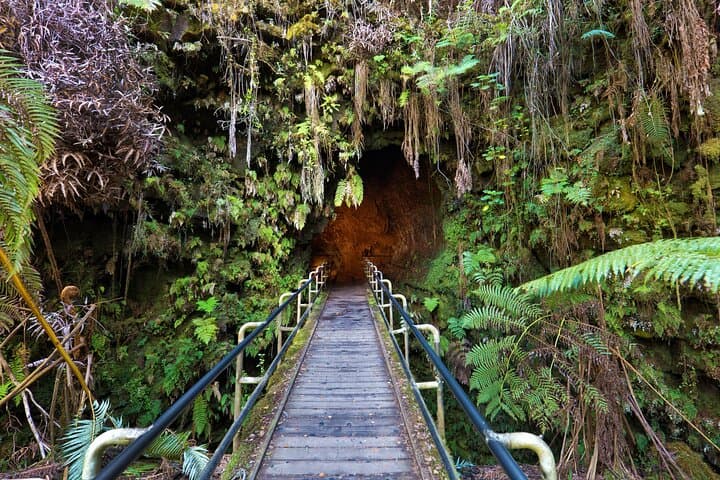
Entering the expansive Kilauea Crater itself, experience the vast scale of volcanic creation. The crater’s walls loom, ancient rivers of lava frozen in time, imposing yet instructive. The forest here also serves as sanctuary to native birds and rare plants uniquely adapted to volcanic soils. The trail finishes winding through the iconic Thurston Lava Tube, a natural tunnel carved from cooled lava, inviting you to step inside the underground flow of past eruptions.
This small-group hike fits a moderate fitness level — trails vary from steady climbs to flat sections. Wear sturdy hiking shoes and bring adequate hydration; temperatures can climb midday under tropical sun. Visiting early or late afternoon helps avoid heat peaks and showcases shifting light across crater rims and the fern-filled forest.
Practicalities include paying a $30 entrance fee per vehicle or $15 per person if arriving individually. Annual park passes also grant access to all national parks for $80, easing future explorations. Your knowledgeable guide provides gear such as backpacks and trekking poles, while meals include a hearty breakfast and a gourmet lunch to refuel mid-journey.
Embrace this hike not just as a trek but a lesson in renewal, where fire shapes life and nature responds with quiet resilience — challenging you to read the land’s layers and feel every breath of its evolving story.
moderate.
6–7 hours.
Participants should have a moderate level of fitness to manage steady uphill sections and uneven volcanic terrain.
This hike is best for older children and teenagers with moderate hiking experience due to its length and terrain.
Yes, visitors must purchase a $30 vehicle pass or $15 per person if not arriving by vehicle; annual passes are also available.
Yes, breakfast with fruit and hot drinks is served at the start, and a gourmet lunch is provided halfway through the journey.
You may spot native Hawaiian birds such as the ‘apapane and ‘i’iwi, along with unique plants adapted to volcanic soils.
Guides provide poles upon request; they are highly recommended for navigating uneven volcanic terrain.
The trail includes moderate elevation changes, with steady climbs up to crater rims but nothing requiring technical climbing skills.
Volcanoes National Park preserves a landscape that has been shaped continuously by eruptions for over 600,000 years, making it a living geological classroom.
Efforts focus on protecting fragile native ecosystems from invasive species and limiting trail erosion through sustainable visitor practices.
Volcanoes Hiking Guides operates guided outdoor trips and adventures with an emphasis on safety, stewardship, and memorable experiences.
At the break of dawn on Hawai’i Island, the air carries a faint warmth mixed with whispers of steam rising from the earth itself. This guided 8-mile loop begins at the Kilauea Visitor Center, where under sprawling tree canopies, the day starts with fresh fruit, banana bread, and hot coffee — a quiet prelude to the raw power looming ahead.
At the break of dawn on Hawai’i Island, the air carries a faint warmth mixed with whispers of steam rising from the earth itself. This guided 8-mile loop begins at the Kilauea Visitor Center, where under sprawling tree canopies, the day starts with fresh fruit, banana bread, and hot coffee — a quiet prelude to the raw power looming ahead.
The hike unfurls with sprawling views of the Kilauea Iki Crater, a volcanic caldera that speaks to the island’s fiery past. Beneath your feet, hardened lava flows once roared with molten rock, now silent but alive with heat that still dares to surface as simmering steam vents dot the trail. As the path weaves deeper, native Hawaiian forests rise, their roots gripping volcanic soil, guarding the secrets of regeneration amid destruction.
Volcanoes National Park sits at the convergence of tectonic drama: the Pacific Plate sliding beneath the North American Plate, birthing Kilauea—the world’s most active volcano for decades. This geological theater reshapes landscapes rapidly, drawing scientists and adventurers alike. Walking this loop means tracking the story etched in volcanic walls and lush greenery.
Entering the expansive Kilauea Crater itself, experience the vast scale of volcanic creation. The crater’s walls loom, ancient rivers of lava frozen in time, imposing yet instructive. The forest here also serves as sanctuary to native birds and rare plants uniquely adapted to volcanic soils. The trail finishes winding through the iconic Thurston Lava Tube, a natural tunnel carved from cooled lava, inviting you to step inside the underground flow of past eruptions.
This small-group hike fits a moderate fitness level — trails vary from steady climbs to flat sections. Wear sturdy hiking shoes and bring adequate hydration; temperatures can climb midday under tropical sun. Visiting early or late afternoon helps avoid heat peaks and showcases shifting light across crater rims and the fern-filled forest.
Practicalities include paying a $30 entrance fee per vehicle or $15 per person if arriving individually. Annual park passes also grant access to all national parks for $80, easing future explorations. Your knowledgeable guide provides gear such as backpacks and trekking poles, while meals include a hearty breakfast and a gourmet lunch to refuel mid-journey.
Embrace this hike not just as a trek but a lesson in renewal, where fire shapes life and nature responds with quiet resilience — challenging you to read the land’s layers and feel every breath of its evolving story.