THE ADVENTURE COLLECTIVE® · Independent discovery and booking for outdoor travel

Dive into an interactive marine experience at Key West Aquarium, the first open-air aquarium in the U.S. From feeding sharks to learning about mangrove ecosystems, this visit offers a hands-on glimpse into the Florida Keys’ rich ocean life.
Dive into an interactive marine experience at Key West Aquarium, the first open-air aquarium in the U.S. From feeding sharks to learning about mangrove ecosystems, this visit offers a hands-on glimpse into the Florida Keys’ rich ocean life.
Step off the bustling streets of Key West and into a world where the ocean’s pulse guides every step. The Key West Aquarium invites visitors to engage with marine life far beyond a glance behind glass. Established as the first open-air aquarium in the United States, its design brings the atmosphere of the Florida Keys’ coastal waters indoors, creating an immersive experience that educates as much as it entertains.
Verified experiences and guided adventures in the surrounding area.
Operated by Historic Tours Of America · Key West, Florida
Step off the bustling streets of Key West and into a world where the ocean’s pulse guides every step. The Key West Aquarium invites visitors to engage with marine life far beyond a glance behind glass. Established as the first open-air aquarium in the United States, its design brings the atmosphere of the Florida Keys’ coastal waters indoors, creating an immersive experience that educates as much as it entertains.
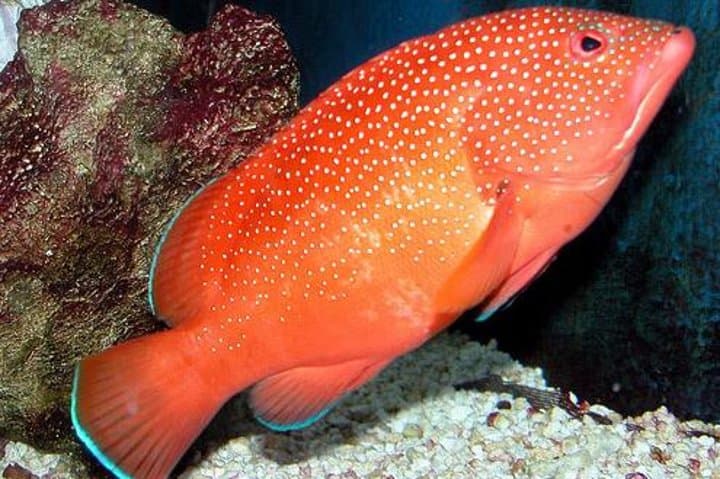
The aquarium sits near Mallory Square, a hub known for waterfront energy and vibrant local culture. Here, the Atlantic’s warm currents shape not just the surrounding islands but the ecosystem presented within the aquarium’s exhibits. Visitors move from tank to tank, meeting an array of creatures native to these waters—from the sinuous eels writhing in shadowed caves to the vividly patterned parrotfish darting through coral-like structures.
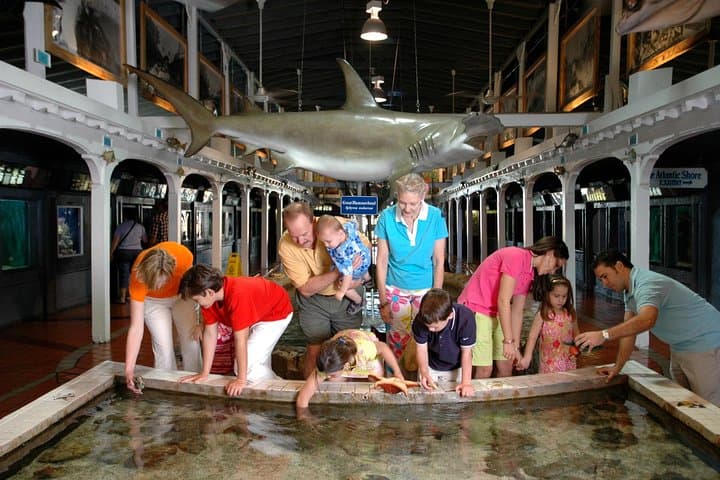
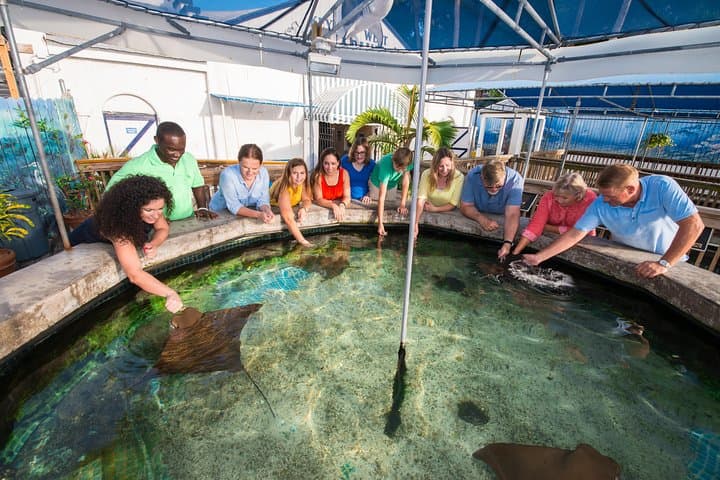
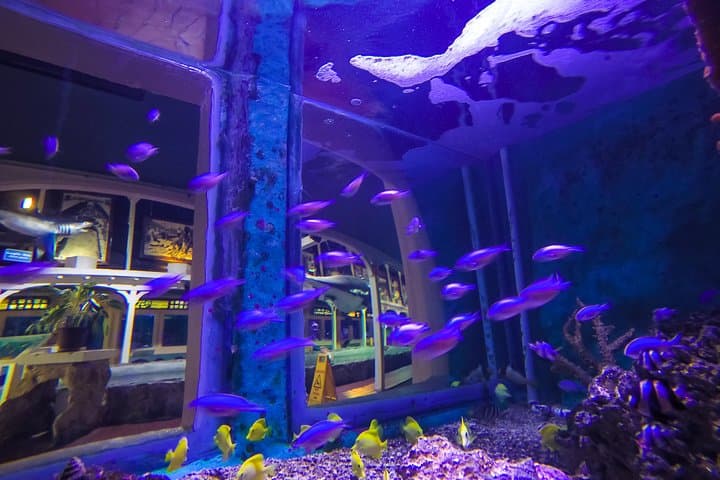
Central to the experience is the Atlantic Shores Exhibit, a 50,000-gallon presentation of a mangrove habitat bridging ocean and land. Mangroves—those twisted guardians of the shore—are shown in their vital role filtering water and sheltering young fish, their tangled roots daring guests to appreciate the complexity of this environment. Hand-on encounters elevate the visit: feeding sessions with sharks and stingrays give tangible insight into these often misunderstood species. Guides convey the critical role sharks play in ocean health while encouraging responsible interaction.
Beyond the marine spectacle, the aquarium takes conservation seriously. Its sea turtle conservation program educates visitors on preserving these endangered reptiles, emphasizing ongoing efforts in the Keys to safeguard their future. The aquarium also represents a living classroom, embedding historical context such as its pioneering air circulation system and frescos that detail ocean science.
Practical considerations line the visit’s ease. Tours run every half hour, with peak interest moments including daily shark feedings spaced through the afternoon. Accessibility is thoughtful—wheelchair friendly pathways and stroller accommodations make it approachable for a wide audience.
For travelers staying in Key West’s vibrant town, the aquarium offers a compact yet layered experience fitting neatly into morning or afternoon plans. Essential tips include arriving early to avoid midday crowds and bringing sunscreen for outdoor portions nearby. The aquarium’s proximity to the lively waterfront makes combining this visit with local dining or a sunset stroll a seamless day plan.
Exploring the Key West Aquarium is more than an aquarium visit—it's an active engagement with marine systems that have shaped this island chain. It’s where the ocean dares you to look closer and learn from its residents, bridging curiosity with conservation.
easy.
1–3 hours.
Suitable for all fitness levels including families and seniors, as the route is flat and wheelchair accessible.
Yes, shark feedings happen daily at 11am, 1pm, 3pm, and 4:30pm, while stingray feedings are also interactive and scheduled throughout the day.
Yes, the aquarium is designed to be wheelchair and stroller accessible, with smooth pathways and ramps.
Certain exhibits, like the shark touch tank and stingray feedings, allow guided, supervised interaction with marine life.
Visitors typically spend between 1 to 3 hours depending on interest in the exhibits and feeding sessions.
Yes, public parking is available close to Mallory Square, with additional transportation options like buses and taxis serving the area.
Service animals are permitted, but other pets are not allowed inside the aquarium.
Key West Aquarium was the first open-air aquarium built in the United States, opening its doors in 1934 with a revolutionary air circulation design that mimicked ocean breezes.
The aquarium actively participates in sea turtle rehabilitation and educates visitors on the delicate balance of tropical marine ecosystems.
Historic Tours Of America operates guided outdoor trips and adventures with an emphasis on safety, stewardship, and memorable experiences.
Step off the bustling streets of Key West and into a world where the ocean’s pulse guides every step. The Key West Aquarium invites visitors to engage with marine life far beyond a glance behind glass. Established as the first open-air aquarium in the United States, its design brings the atmosphere of the Florida Keys’ coastal waters indoors, creating an immersive experience that educates as much as it entertains.
Step off the bustling streets of Key West and into a world where the ocean’s pulse guides every step. The Key West Aquarium invites visitors to engage with marine life far beyond a glance behind glass. Established as the first open-air aquarium in the United States, its design brings the atmosphere of the Florida Keys’ coastal waters indoors, creating an immersive experience that educates as much as it entertains.
The aquarium sits near Mallory Square, a hub known for waterfront energy and vibrant local culture. Here, the Atlantic’s warm currents shape not just the surrounding islands but the ecosystem presented within the aquarium’s exhibits. Visitors move from tank to tank, meeting an array of creatures native to these waters—from the sinuous eels writhing in shadowed caves to the vividly patterned parrotfish darting through coral-like structures.
Central to the experience is the Atlantic Shores Exhibit, a 50,000-gallon presentation of a mangrove habitat bridging ocean and land. Mangroves—those twisted guardians of the shore—are shown in their vital role filtering water and sheltering young fish, their tangled roots daring guests to appreciate the complexity of this environment. Hand-on encounters elevate the visit: feeding sessions with sharks and stingrays give tangible insight into these often misunderstood species. Guides convey the critical role sharks play in ocean health while encouraging responsible interaction.
Beyond the marine spectacle, the aquarium takes conservation seriously. Its sea turtle conservation program educates visitors on preserving these endangered reptiles, emphasizing ongoing efforts in the Keys to safeguard their future. The aquarium also represents a living classroom, embedding historical context such as its pioneering air circulation system and frescos that detail ocean science.
Practical considerations line the visit’s ease. Tours run every half hour, with peak interest moments including daily shark feedings spaced through the afternoon. Accessibility is thoughtful—wheelchair friendly pathways and stroller accommodations make it approachable for a wide audience.
For travelers staying in Key West’s vibrant town, the aquarium offers a compact yet layered experience fitting neatly into morning or afternoon plans. Essential tips include arriving early to avoid midday crowds and bringing sunscreen for outdoor portions nearby. The aquarium’s proximity to the lively waterfront makes combining this visit with local dining or a sunset stroll a seamless day plan.
Exploring the Key West Aquarium is more than an aquarium visit—it's an active engagement with marine systems that have shaped this island chain. It’s where the ocean dares you to look closer and learn from its residents, bridging curiosity with conservation.