THE ADVENTURE COLLECTIVE® · Independent discovery and booking for outdoor travel

Discover San Antonio Zoo’s vibrant mix of animal encounters and conservation education. This guide walks you through key habitats, practical visit tips, and how each step supports wildlife protection.
Discover San Antonio Zoo’s vibrant mix of animal encounters and conservation education. This guide walks you through key habitats, practical visit tips, and how each step supports wildlife protection.
At the edge of downtown San Antonio, the San Antonio Zoo opens its gates to a living classroom where over 750 animal species take center stage. Upon crossing the threshold, the hum of the city fades into the buzz of discovery — the chattering of primates, the splash of aquatic exhibits, and the distant roar from Big Cat Valley daring visitors to look closer. The zoo is more than a collection of enclosures; it’s a dynamic space where wildlife education and conservation come alive amidst sprawling habitats that mimic the natural world.
Verified experiences and guided adventures in the surrounding area.
Operated by San Antonio Zoo · San Antonio, Texas
At the edge of downtown San Antonio, the San Antonio Zoo opens its gates to a living classroom where over 750 animal species take center stage. Upon crossing the threshold, the hum of the city fades into the buzz of discovery — the chattering of primates, the splash of aquatic exhibits, and the distant roar from Big Cat Valley daring visitors to look closer. The zoo is more than a collection of enclosures; it’s a dynamic space where wildlife education and conservation come alive amidst sprawling habitats that mimic the natural world.
The zoo’s history dates back nearly a century, with its early 20th-century origins tied to a city effort to provide a natural refuge and public space for learning about animals. Today, its grounds stretch over 35 acres of carefully curated terrain blending native Texan flora with exotic biomes from around the globe. Geologically, the area rests on limestone bedrock typical of central Texas, and the zoo has integrated this into the landscape with shaded groves and gently rolling paths that ease the transition from one habitat to another.
Visitors will find themselves face-to-face with creatures from the African savanna to the jungles of South America. The rhino habitat, one of the newest additions, pairs these massive mammals with zebras in open paddocks that encourage natural behavior. Not far away, Big Cat Valley offers observation points into the lives of lions who move with purposeful grace, their presence a reminder of both wild majesty and the fragility of their species in the wild.
Practical planning for a visit to San Antonio Zoo means preparing for a full day on your feet. Comfortable walking shoes are essential as the zoo’s layout covers roughly 1.5 miles of well-paved trails that climb and dip gently but consistently. The best times to visit are during cooler morning or late afternoon hours to catch animals at their most active and to avoid midday heat, especially in summer. Hydration is key — water fountains are available, but bringing a reusable bottle is recommended.
Accessibility is a strong suit here, with wheelchair and stroller accommodations ensuring access to most exhibits. The zoo emphasizes sustainability through its conservation programs and educational initiatives, encouraging guests to engage with wildlife protection efforts beyond the visit. Every ticket supports these efforts directly, making each step a contribution to a broader mission.
For families and solo explorers alike, the San Antonio Zoo offers a grounding adventure in understanding the natural world while providing memorable moments that challenge you to reconsider your connection to wild places and the creatures that inhabit them.
easy.
3–4 hours.
Suitable for all fitness levels; mostly flat walking with occasional gentle slopes.
Yes, the zoo operates year-round with varied hours depending on season.
General admission tickets are valid for any visit date during the calendar year of purchase.
Yes, the zoo offers accessible paths and services for wheelchair users.
Children must be accompanied by an adult at all times for safety reasons.
Multiple cafes and snack stands are located throughout the zoo offering a variety of options.
Visitors must follow all zoo guidelines, including maintaining safe distances and not feeding animals.
Established in 1914, the zoo reflects San Antonio’s long-standing commitment to wildlife education and conservation.
The zoo supports global species protection initiatives and educates visitors on sustainable coexistence with wildlife.
San Antonio Zoo operates guided outdoor trips and adventures with an emphasis on safety, stewardship, and memorable experiences.
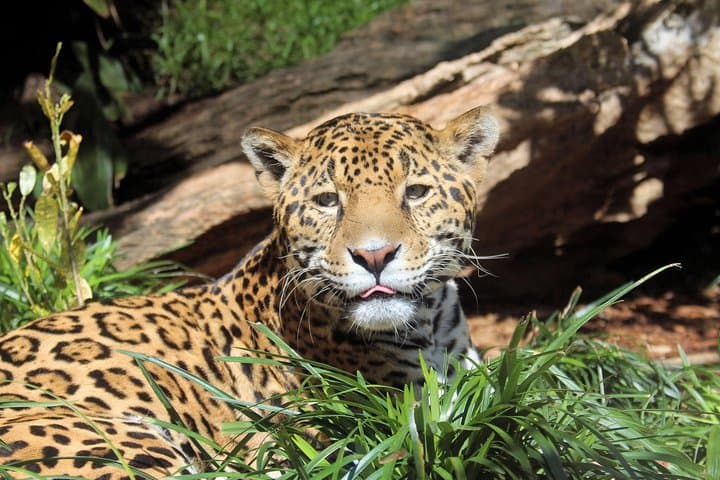
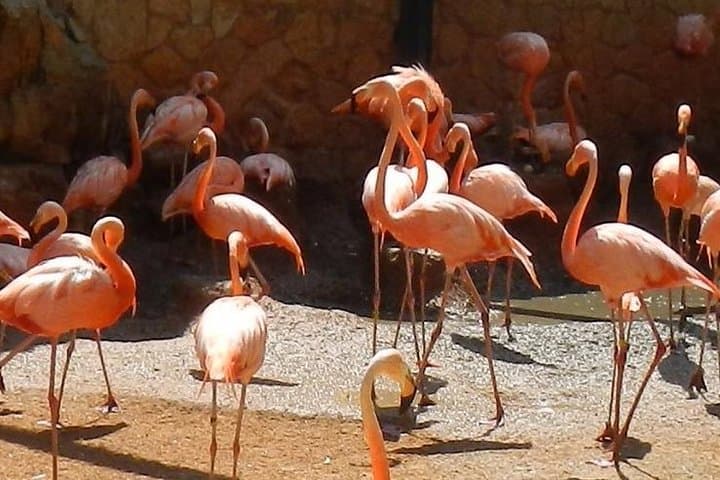


At the edge of downtown San Antonio, the San Antonio Zoo opens its gates to a living classroom where over 750 animal species take center stage. Upon crossing the threshold, the hum of the city fades into the buzz of discovery — the chattering of primates, the splash of aquatic exhibits, and the distant roar from Big Cat Valley daring visitors to look closer. The zoo is more than a collection of enclosures; it’s a dynamic space where wildlife education and conservation come alive amidst sprawling habitats that mimic the natural world.
At the edge of downtown San Antonio, the San Antonio Zoo opens its gates to a living classroom where over 750 animal species take center stage. Upon crossing the threshold, the hum of the city fades into the buzz of discovery — the chattering of primates, the splash of aquatic exhibits, and the distant roar from Big Cat Valley daring visitors to look closer. The zoo is more than a collection of enclosures; it’s a dynamic space where wildlife education and conservation come alive amidst sprawling habitats that mimic the natural world.
The zoo’s history dates back nearly a century, with its early 20th-century origins tied to a city effort to provide a natural refuge and public space for learning about animals. Today, its grounds stretch over 35 acres of carefully curated terrain blending native Texan flora with exotic biomes from around the globe. Geologically, the area rests on limestone bedrock typical of central Texas, and the zoo has integrated this into the landscape with shaded groves and gently rolling paths that ease the transition from one habitat to another.
Visitors will find themselves face-to-face with creatures from the African savanna to the jungles of South America. The rhino habitat, one of the newest additions, pairs these massive mammals with zebras in open paddocks that encourage natural behavior. Not far away, Big Cat Valley offers observation points into the lives of lions who move with purposeful grace, their presence a reminder of both wild majesty and the fragility of their species in the wild.
Practical planning for a visit to San Antonio Zoo means preparing for a full day on your feet. Comfortable walking shoes are essential as the zoo’s layout covers roughly 1.5 miles of well-paved trails that climb and dip gently but consistently. The best times to visit are during cooler morning or late afternoon hours to catch animals at their most active and to avoid midday heat, especially in summer. Hydration is key — water fountains are available, but bringing a reusable bottle is recommended.
Accessibility is a strong suit here, with wheelchair and stroller accommodations ensuring access to most exhibits. The zoo emphasizes sustainability through its conservation programs and educational initiatives, encouraging guests to engage with wildlife protection efforts beyond the visit. Every ticket supports these efforts directly, making each step a contribution to a broader mission.
For families and solo explorers alike, the San Antonio Zoo offers a grounding adventure in understanding the natural world while providing memorable moments that challenge you to reconsider your connection to wild places and the creatures that inhabit them.