THE ADVENTURE COLLECTIVE® · Independent discovery and booking for outdoor travel

Discover Masaya’s rich blend of indigenous craft, sweeping volcanic vistas, and vibrant markets on a full-day adventure from Granada. This tour pairs cultural immersion with geological wonder, culminating at the smoking crater of Masaya Volcano National Park.
Discover Masaya’s rich blend of indigenous craft, sweeping volcanic vistas, and vibrant markets on a full-day adventure from Granada. This tour pairs cultural immersion with geological wonder, culminating at the smoking crater of Masaya Volcano National Park.
At dawn, the road from Granada hums softly under the wheels of an air-conditioned minivan, carrying travelers toward a day of contrasts and discovery in Masaya, Nicaragua. The first stop, San Juan de Oriente, greets visitors with the scent of clay and the focused hands of artisans shaping pottery the way their ancestors did centuries ago. Here, you’re not just a spectator but a witness to an unbroken craft tradition—the earth itself bending to human touch as bowls and vases emerge from raw materials, each piece carrying the mark of indigenous heritage.
Verified experiences and guided adventures in the surrounding area.
Operated by Ecoterra Expeditions · Masaya, Masaya
At dawn, the road from Granada hums softly under the wheels of an air-conditioned minivan, carrying travelers toward a day of contrasts and discovery in Masaya, Nicaragua. The first stop, San Juan de Oriente, greets visitors with the scent of clay and the focused hands of artisans shaping pottery the way their ancestors did centuries ago. Here, you’re not just a spectator but a witness to an unbroken craft tradition—the earth itself bending to human touch as bowls and vases emerge from raw materials, each piece carrying the mark of indigenous heritage.
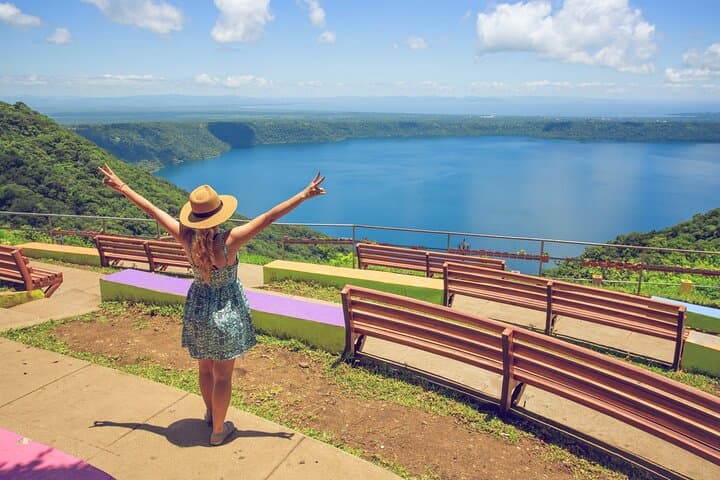
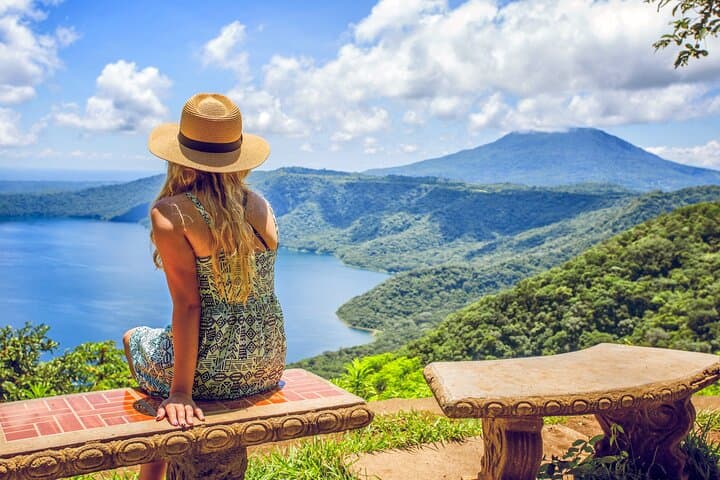
Next, the journey climbs to the Mirador de Catarina, where the rim offers a sweeping vista over Laguna de Apoyo’s glassy surface hypnotizing below, Lake Cocibolca’s vast blue stretching beyond, and the city of Granada framed against the looming presence of Mombacho Volcano. This isn’t a passive panorama; the wind dares you to step closer to the edge, brush brushing past with a quiet insistence.
Descending toward the vibrant Masaya Handicraft Market, the day shifts to bustling colors and tactile textures where handwoven textiles, leather goods, and bold ceramics fill stalls alongside the chatter of local vendors. This commercial maze is a living canvas of Nicaraguan culture, its energy pushing visitors to engage, barter, and appreciate the skill behind each item.
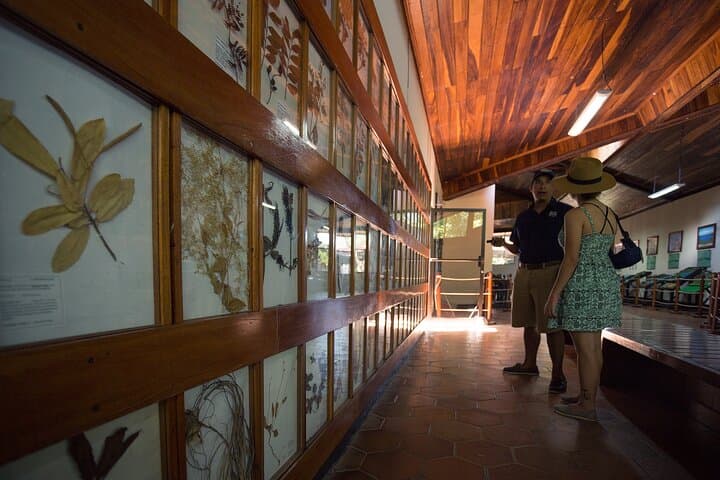
The finale is the Masaya Volcano National Park, where geology asserts itself sharply. At the museum, volcanic timelines unfold—reminding you that this land beneath your feet is restless, sculpted repeatedly by fire and ash. Hiking the park’s trails leads to a raw encounter with the crater, a smoking cauldron that seems to breathe, its volatile edges challenging cameras and curiosity alike. The volcanic steam dances upward, an elemental performance reminding visitors of earth’s constant flux.
Practical considerations: The tour spans about five hours, combining light walking with moderate hiking around volcanic terrain. Footwear should be sturdy—hiking shoes or quality tennis shoes—and layered clothing will accommodate changing temperatures, especially breezes on the mirador and near the crater. Bring insect repellent, bottled water provided, and small cash for market purchases or snacks. Those with heart conditions or pregnant travelers should avoid this excursion due to elevation and volcanic fumes.
Masaya’s breadth—from clay to crater—offers a rare blend of living culture and geological drama. It’s an immersive introduction to a region that thrives in transition, where hands shape tradition and earth shapes landscape with equal insistence.
moderate.
5 hours.
Participants should be in moderate physical shape to walk museum exhibits and hike variable terrain near the volcano.
Yes, visitors can walk to the edge of the Masaya volcano crater via a short trail in the National Park.
No, meals are not included but you will have opportunities to buy snacks or souvenirs during the market visit.
Elevation gain is moderate, approximately 150–200 meters depending on the trail chosen around the crater.
Children are welcome but must be accompanied by an adult; physical conditions may affect participation.
Yes, artisans often explain their techniques and welcome questions about their work.
Bring sturdy shoes, layered clothing, insect repellent, bottled water (often provided), and small cash for purchases.
San Juan de Oriente has maintained indigenous pottery traditions passed down for centuries, preserving cultural identity through artisanal craft.
Masaya Volcano National Park implements controlled access and visitor education to protect volcanic ecosystems and minimize environmental impact.
Ecoterra Expeditions operates guided outdoor trips and adventures with an emphasis on safety, stewardship, and memorable experiences.
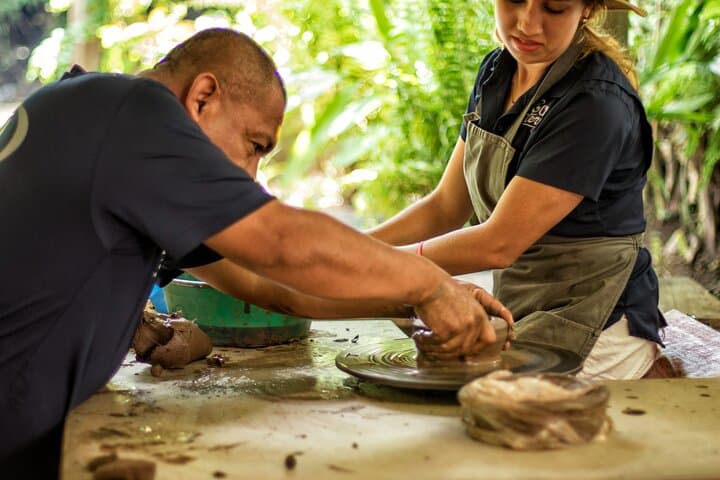
At dawn, the road from Granada hums softly under the wheels of an air-conditioned minivan, carrying travelers toward a day of contrasts and discovery in Masaya, Nicaragua. The first stop, San Juan de Oriente, greets visitors with the scent of clay and the focused hands of artisans shaping pottery the way their ancestors did centuries ago. Here, you’re not just a spectator but a witness to an unbroken craft tradition—the earth itself bending to human touch as bowls and vases emerge from raw materials, each piece carrying the mark of indigenous heritage.
At dawn, the road from Granada hums softly under the wheels of an air-conditioned minivan, carrying travelers toward a day of contrasts and discovery in Masaya, Nicaragua. The first stop, San Juan de Oriente, greets visitors with the scent of clay and the focused hands of artisans shaping pottery the way their ancestors did centuries ago. Here, you’re not just a spectator but a witness to an unbroken craft tradition—the earth itself bending to human touch as bowls and vases emerge from raw materials, each piece carrying the mark of indigenous heritage.
Next, the journey climbs to the Mirador de Catarina, where the rim offers a sweeping vista over Laguna de Apoyo’s glassy surface hypnotizing below, Lake Cocibolca’s vast blue stretching beyond, and the city of Granada framed against the looming presence of Mombacho Volcano. This isn’t a passive panorama; the wind dares you to step closer to the edge, brush brushing past with a quiet insistence.
Descending toward the vibrant Masaya Handicraft Market, the day shifts to bustling colors and tactile textures where handwoven textiles, leather goods, and bold ceramics fill stalls alongside the chatter of local vendors. This commercial maze is a living canvas of Nicaraguan culture, its energy pushing visitors to engage, barter, and appreciate the skill behind each item.
The finale is the Masaya Volcano National Park, where geology asserts itself sharply. At the museum, volcanic timelines unfold—reminding you that this land beneath your feet is restless, sculpted repeatedly by fire and ash. Hiking the park’s trails leads to a raw encounter with the crater, a smoking cauldron that seems to breathe, its volatile edges challenging cameras and curiosity alike. The volcanic steam dances upward, an elemental performance reminding visitors of earth’s constant flux.
Practical considerations: The tour spans about five hours, combining light walking with moderate hiking around volcanic terrain. Footwear should be sturdy—hiking shoes or quality tennis shoes—and layered clothing will accommodate changing temperatures, especially breezes on the mirador and near the crater. Bring insect repellent, bottled water provided, and small cash for market purchases or snacks. Those with heart conditions or pregnant travelers should avoid this excursion due to elevation and volcanic fumes.
Masaya’s breadth—from clay to crater—offers a rare blend of living culture and geological drama. It’s an immersive introduction to a region that thrives in transition, where hands shape tradition and earth shapes landscape with equal insistence.