
Exploring Los Haitises and Cayo Levantado: Boat Trip to Mangroves, Caves & White-Sand Beaches
Navigate mangrove canals, stand before millennia-old cave pictographs, and end the day on the sugar-white sands of Cayo Levantado. This guided boat trip from Samaná is part natural history lesson, part beach escape—perfect for travelers who want wildlife, culture and a no-fuss shore lunch in one day.
An Adventure In Samaná.
Navigate mangrove canals, stand before millennia-old cave pictographs, and end the day on the sugar-white sands of Cayo Levantado. This guided boat trip from Samaná is part natural history lesson, part beach escape—perfect for travelers who want wildlife, culture and a no-fuss shore lunch in one day.
Read the full experience
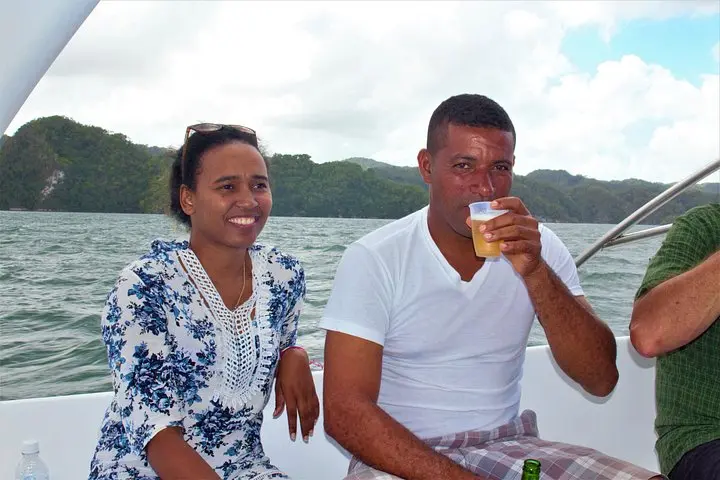
The motor hums, and the coastline peels away into a patchwork of mangrove islands and limestone karsts. Salt spray tests your sunglasses while the guide points toward a low, green cay where frigatebirds wheel and mice-like oystercatchers chatter. You move through channels that seem to have been carved for small boats alone — roots and aerial propellers lean over the water as if to whisper directions — and the park presses around you: dense, humid, and unapologetically alive.
The motor hums, and the coastline peels away into a patchwork of mangrove islands and limestone karsts. Salt spray tests your sunglasses while the guide points toward a low, green cay where frigatebirds wheel and mice-like oystercatchers chatter. You move through channels that seem to have been carved for small boats alone — roots and aerial propellers lean over the water as if to whisper directions — and the park presses around you: dense, humid, and unapologetically alive.
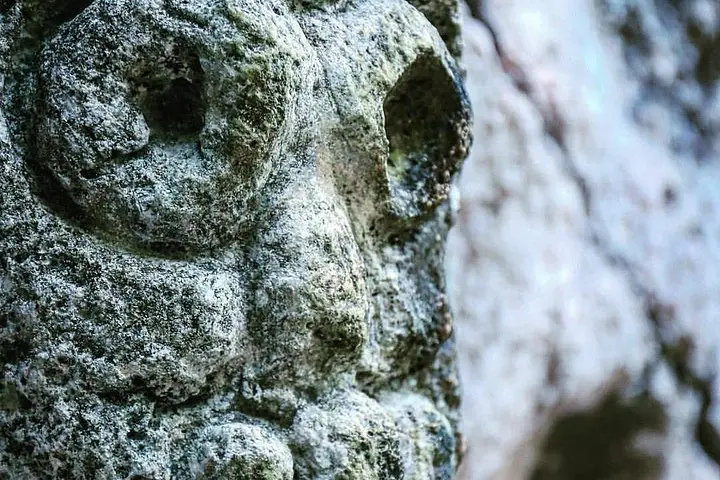
Los Haitises National Park is a geologic archive. Over millennia, a mix of limestone uplift and persistent tropical humidity has created caverns and stalactite formations that hang like slow, calcified tears. Indigenous Taino people left pictographs in caves such as San Gabriel, La Línea and La Arena; those ochre and charcoal markings are the region’s human weathering, a record of ritual and daily life set beneath dripping stone.
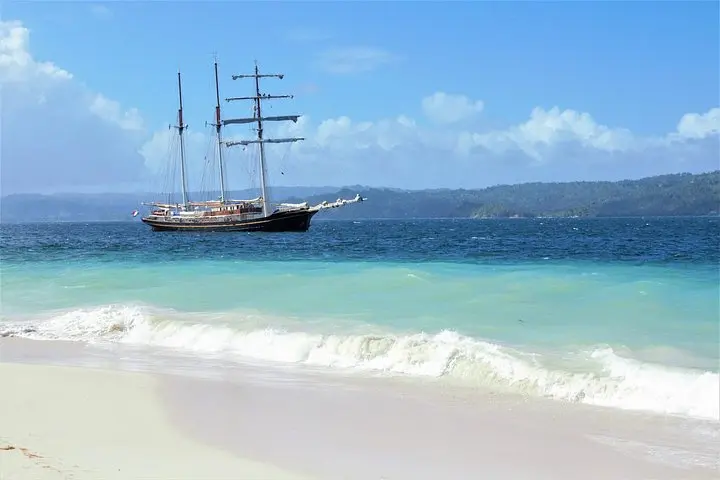
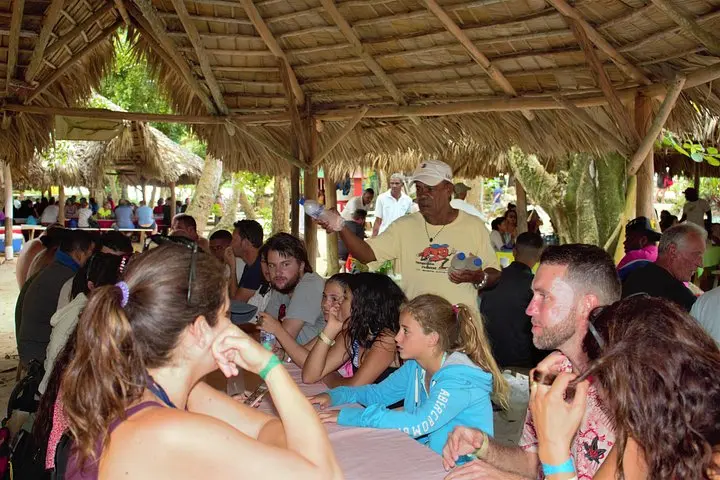
This seven-hour excursion pairs that ancient quiet with the buzzy good sense of Samaná’s coastal culture. Guides here are often local and multilingual; their knowledge blends natural history with practical storytelling — which reef fish to watch for, which bird calls mean rain, and which family runs the best roadside empanada back in town. The trip pauses at Cayo de los Pájaros and Boca de Tiburón to observe breeding colonies and exotic plant life, then heads east to Cayo Levantado for a buffet of fresh fish, rice and beans, and the option to buy a local piña colada under coconut palms.
Practicalities: the tour lasts about seven hours and includes boat transfers, cave visits, guided mangrove navigation, and lunch. Wear shoes that can get wet; the cave floors and mangrove walkways can be slick. Bring reef‑safe sunscreen and a hat—the sun on the open bay will find you. If you get seasick easily, take medication before boarding; the channels can be calm but the open stretches expose you to swell.
Respect is part of the route: don’t touch rock art, avoid leaving litter on Cayo Levantado, and listen to guides when they point out nesting zones. Guides typically provide water, snacks and pineapple pieces; alcoholic drinks on the island are available from local vendors but not included.
For travelers who want a condensed education in Caribbean ecology with a generous dose of beach time, this itinerary delivers. It moves at the steady rhythm of a local boat captain, switching between observation and leisure, and leaves you with a clear sense of why Los Haitises still feels like a place the sea and forest are arguing over.
Frequently asked questions
The full excursion runs about seven hours (roughly 420 minutes), including boat transfers, cave visits and lunch on Cayo Levantado.
Yes — a buffet lunch with local dishes (fish, chicken, rice and beans, salads and fruit) is included; alcoholic drinks are available to purchase on the island.
Yes — the itinerary includes visits to caves like San Gabriel, La Línea and La Arena where indigenous pictographs are visible; follow your guide’s instructions and do not touch the art.
The tour is advertised as suitable for most fitness levels and wheelchair accessible in some parts, but cave and shore access can be uneven—contact the operator to discuss specific mobility needs before booking.
If you are prone to seasickness, take medication (e.g., meclizine or acupressure bands) before boarding and sit mid-boat where motion is least felt.
Most boats on this route have basic restroom facilities; facilities on Cayo Levantado are available but can be rustic—carry hand sanitizer and small change if you need to purchase anything.
About This Experience
The Whales Las Ballenas operates guided outdoor trips and adventures with an emphasis on safety, stewardship, and memorable experiences.
Adventure tips
Recommended gear
- Water shoes or sandals with straps: Protects feet on slippery cave floors and rocky shorelines while allowing water to drain.
- Reef-safe sunscreen (SPF 30+): Reduces UV exposure and protects marine life while you’re on the boat and beach.
- Wide-brim hat and polarized sunglasses: Cut glare from the water and lower sun fatigue during open-bay crossings.
- Light rain shell or windbreaker: Useful if a brief tropical shower rolls through; keeps you comfortable on exposed decks.
Photos of the experience
Related adventures & guides
Read the full experience
The motor hums, and the coastline peels away into a patchwork of mangrove islands and limestone karsts. Salt spray tests your sunglasses while the guide points toward a low, green cay where frigatebirds wheel and mice-like oystercatchers chatter. You move through channels that seem to have been carved for small boats alone — roots and aerial propellers lean over the water as if to whisper directions — and the park presses around you: dense, humid, and unapologetically alive.
The motor hums, and the coastline peels away into a patchwork of mangrove islands and limestone karsts. Salt spray tests your sunglasses while the guide points toward a low, green cay where frigatebirds wheel and mice-like oystercatchers chatter. You move through channels that seem to have been carved for small boats alone — roots and aerial propellers lean over the water as if to whisper directions — and the park presses around you: dense, humid, and unapologetically alive.
Los Haitises National Park is a geologic archive. Over millennia, a mix of limestone uplift and persistent tropical humidity has created caverns and stalactite formations that hang like slow, calcified tears. Indigenous Taino people left pictographs in caves such as San Gabriel, La Línea and La Arena; those ochre and charcoal markings are the region’s human weathering, a record of ritual and daily life set beneath dripping stone.
This seven-hour excursion pairs that ancient quiet with the buzzy good sense of Samaná’s coastal culture. Guides here are often local and multilingual; their knowledge blends natural history with practical storytelling — which reef fish to watch for, which bird calls mean rain, and which family runs the best roadside empanada back in town. The trip pauses at Cayo de los Pájaros and Boca de Tiburón to observe breeding colonies and exotic plant life, then heads east to Cayo Levantado for a buffet of fresh fish, rice and beans, and the option to buy a local piña colada under coconut palms.
Practicalities: the tour lasts about seven hours and includes boat transfers, cave visits, guided mangrove navigation, and lunch. Wear shoes that can get wet; the cave floors and mangrove walkways can be slick. Bring reef‑safe sunscreen and a hat—the sun on the open bay will find you. If you get seasick easily, take medication before boarding; the channels can be calm but the open stretches expose you to swell.
Respect is part of the route: don’t touch rock art, avoid leaving litter on Cayo Levantado, and listen to guides when they point out nesting zones. Guides typically provide water, snacks and pineapple pieces; alcoholic drinks on the island are available from local vendors but not included.
For travelers who want a condensed education in Caribbean ecology with a generous dose of beach time, this itinerary delivers. It moves at the steady rhythm of a local boat captain, switching between observation and leisure, and leaves you with a clear sense of why Los Haitises still feels like a place the sea and forest are arguing over.
Make a day of it nearby.
Verified experiences and guided adventures in the surrounding area.