THE ADVENTURE COLLECTIVE® · Independent discovery and booking for outdoor travel

A private 6-hour jeep route through Serra do Açor visiting schist villages, waterfalls and laurel forest. Expect short walks, narrow mountain roads and rich local history.
A private 6-hour jeep route through Serra do Açor visiting schist villages, waterfalls and laurel forest. Expect short walks, narrow mountain roads and rich local history.
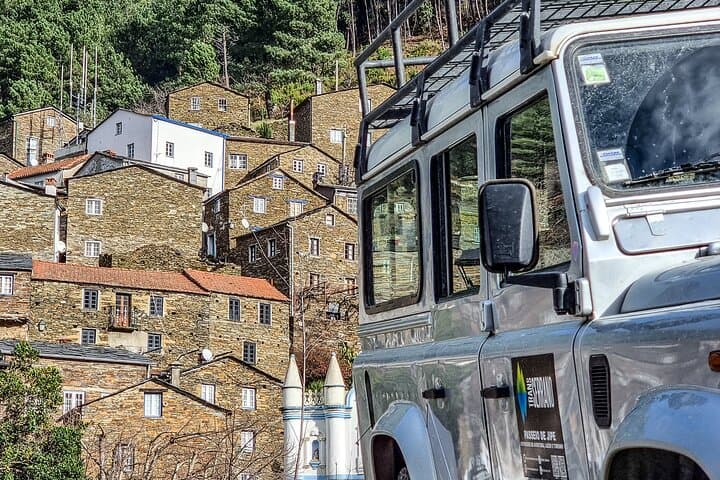
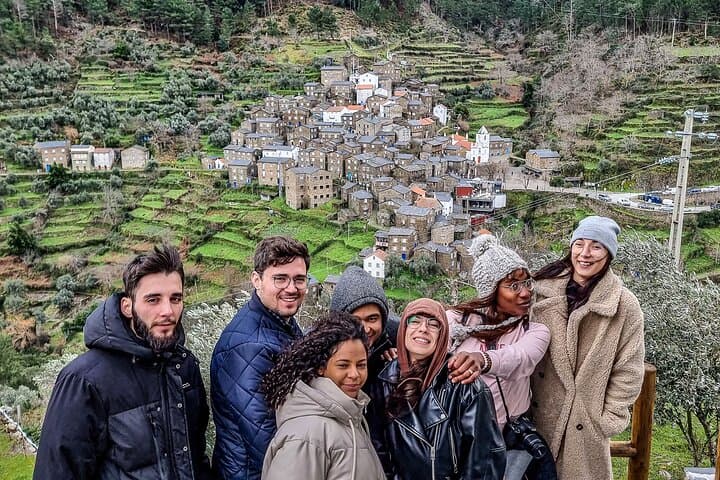
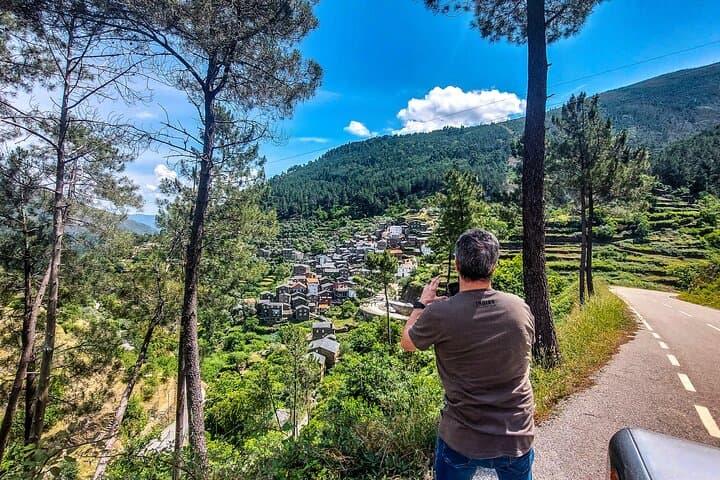
The jeep grumbles up a narrow mountain lane and the valley opens—folded ridges, dark laurel groves and the slate-gray faces of schist houses stepping down the slope. On a private 6-hour route through Serra do Açor, a driver-guide threads between lookouts and waterfalls, pausing where stone villages hold the memory of centuries.
Verified experiences and guided adventures in the surrounding area.
Operated by Trans Serrano · Piódão, Coimbra
The jeep grumbles up a narrow mountain lane and the valley opens—folded ridges, dark laurel groves and the slate-gray faces of schist houses stepping down the slope. On a private 6-hour route through Serra do Açor, a driver-guide threads between lookouts and waterfalls, pausing where stone villages hold the memory of centuries.
This landscape is shaped by schist and quartzite: terraces and walls built from the same rock that roofs the old houses. The schist villages—Benfeita, Piódão, Foz d'Égua—reflect rural lifeways tied to shepherding and small-scale agriculture; the Mata da Margaraça preserves an Atlantic laurel remnant uncommon in mainland Portugal. Fraga da Pena and Poço da Broca are hydraulic scars and plunge pools where steams have worn the rock into clear basins.
Expect a mix of short walks and vehicle transfers: forest tracks, paved village lanes and brief stair-like routes in Piódão. The day balances cultural context—tower houses, artisanal spoon carvers—and natural highlights—forest trails and waterfalls where a cautious dip is possible.
Practical notes: wear sturdy shoes with good tread for wet stone, bring layers as mountain sun shifts quickly, and carry water and small change for village cafés. Roads can be tight and winding; the private jeep handles rough sections but board the tour with a readiness for short uphill walks and exposed viewpoints. Aim for morning light on the villages and mid-afternoon for waterfalls when crowds thin and the water cools invitingly.
easy.
6 hours.
Suitable for most fitness levels; participants should be comfortable walking short, uneven sections and climbing steps.
No—lunch is not included; the itinerary allows time in villages where you can buy a meal or bring snacks.
Children are welcome; service animals are permitted but check with the operator about child seats and vehicle limits.
Yes at Poço da Broca and Foz d'Égua, but water is cold and access can be slippery—enter with caution.
The private tour is adaptable to pickup/drop-off locations and can focus on particular villages or viewpoints on request.
Schist villages in Serra do Açor grew from medieval rural communities using local stone and woodcraft; architecture reflects centuries of subsistence farming and communal life.
Mata da Margaraça and surrounding areas are protected landscapes—stick to marked paths, avoid disturbing riparian zones and support local businesses to help sustain conservation efforts.
Trans Serrano operates guided outdoor trips and adventures with an emphasis on safety, stewardship, and memorable experiences.

The jeep grumbles up a narrow mountain lane and the valley opens—folded ridges, dark laurel groves and the slate-gray faces of schist houses stepping down the slope. On a private 6-hour route through Serra do Açor, a driver-guide threads between lookouts and waterfalls, pausing where stone villages hold the memory of centuries.
The jeep grumbles up a narrow mountain lane and the valley opens—folded ridges, dark laurel groves and the slate-gray faces of schist houses stepping down the slope. On a private 6-hour route through Serra do Açor, a driver-guide threads between lookouts and waterfalls, pausing where stone villages hold the memory of centuries.
This landscape is shaped by schist and quartzite: terraces and walls built from the same rock that roofs the old houses. The schist villages—Benfeita, Piódão, Foz d'Égua—reflect rural lifeways tied to shepherding and small-scale agriculture; the Mata da Margaraça preserves an Atlantic laurel remnant uncommon in mainland Portugal. Fraga da Pena and Poço da Broca are hydraulic scars and plunge pools where steams have worn the rock into clear basins.
Expect a mix of short walks and vehicle transfers: forest tracks, paved village lanes and brief stair-like routes in Piódão. The day balances cultural context—tower houses, artisanal spoon carvers—and natural highlights—forest trails and waterfalls where a cautious dip is possible.
Practical notes: wear sturdy shoes with good tread for wet stone, bring layers as mountain sun shifts quickly, and carry water and small change for village cafés. Roads can be tight and winding; the private jeep handles rough sections but board the tour with a readiness for short uphill walks and exposed viewpoints. Aim for morning light on the villages and mid-afternoon for waterfalls when crowds thin and the water cools invitingly.