THE ADVENTURE COLLECTIVE® · Independent discovery and booking for outdoor travel

Spend ten days island-hopping through Coron’s karst towers, snorkeling coral gardens and WWII wrecks, kayaking mangrove rivers, and learning Tagbanua conservation practices. This hands-on ecotour blends active water days with cultural excursions and small-group warmth.
Spend ten days island-hopping through Coron’s karst towers, snorkeling coral gardens and WWII wrecks, kayaking mangrove rivers, and learning Tagbanua conservation practices. This hands-on ecotour blends active water days with cultural excursions and small-group warmth.
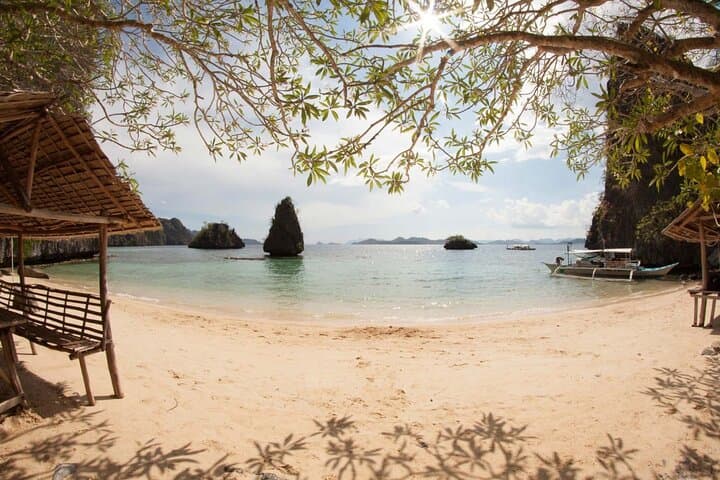
The first morning you step off the fast ferry and onto Coron Town’s concrete jetty, a warm breeze pushes salt into your hair and limestone spires rise like the ribs of some slow-moving beast. Local outrigger boats—wooden bangkas—rock gently, impatient to ferry you through channels that slice between jagged karst islands. Over ten days this trip lets the sea set the pace: early swims in glassy lagoons, afternoons among WWII wrecks, and evenings spent on quiet beaches while fireflies blink along the mangrove edges.
Verified experiences and guided adventures in the surrounding area.
Operated by Calamianes Expeditions and Ecotours · Coron, Palawan
The first morning you step off the fast ferry and onto Coron Town’s concrete jetty, a warm breeze pushes salt into your hair and limestone spires rise like the ribs of some slow-moving beast. Local outrigger boats—wooden bangkas—rock gently, impatient to ferry you through channels that slice between jagged karst islands. Over ten days this trip lets the sea set the pace: early swims in glassy lagoons, afternoons among WWII wrecks, and evenings spent on quiet beaches while fireflies blink along the mangrove edges.
Geology here reads like a field guide: uplifted coral reefs carved by millennia of wind and rain into sheer cliffs, hidden caves, and narrow passes. The region’s shipwrecks—once casualties of the Second World War—are now reefs in their own right, colonized by corals and schools of reef fish. Culturally, Coron is anchored by the Tagbanua people, whose ancestral knowledge shapes local conservation zones and community-run ecotours. Culion’s history—its Spanish-era fort and later role as a leper colony—adds a sober, human layer to the islands’ wild beauty.
Daily rhythms are practical: most boat legs run 15–60 minutes depending on destination; expect 30–60 minutes of snorkeling per stop and short hikes of 200–300 stone steps to popular viewpoints like Kayangan Lake (a steep 15–30 meter ascent). Water temperatures sit comfortably around 27–30°C; visibility in prime spots often exceeds 15 meters. Guides provide snorkel gear, village lunches, and local insight—learn the names of common fish, the rules of the marine protected areas, and where to watch for dugongs and sea turtles.
Planning pointers: start days early—boats leave at first light to avoid winds and afternoon chop. Bring reef-safe sunscreen, a snorkel mask you trust, and a small dry bag for phones and passports. Respect no-take zones and follow guide instructions around wrecks—anchoring and touching coral are prohibited. If you have mobility concerns, ask ahead about boat ladder assistance and shoreline access; most islands have simple beach landings but uneven coral flats.
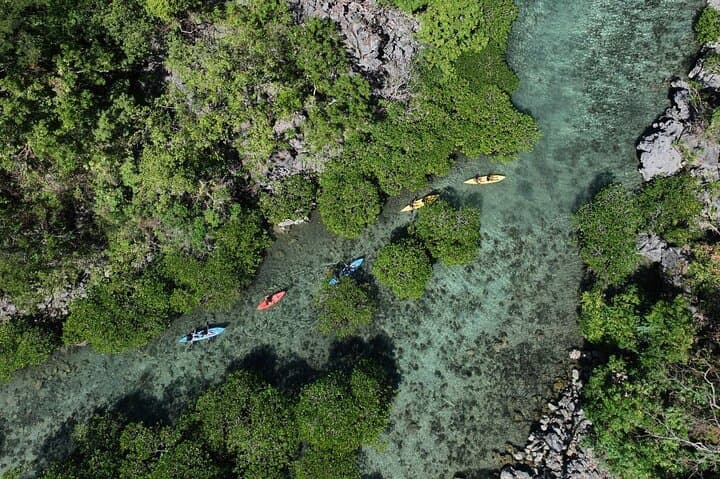
Practical logistics are straightforward: hotels in Coron Town serve as a base with daily pickups included; Busuanga (Coron) Airport transfers are arranged on arrival and departure days. The pace of this itinerary balances active days—kayaking through mangroves and snorkeling coral gardens—with lighter cultural excursions like a historical walk on Culion and a farm-to-table mangrove lunch. For families and first-time snorkelers this is an accessible immersion: nature that invites participation, and a community that rewards curiosity with stories, coffee, and a steadier sense of place.
moderate.
10 days; active segments ~4–8 hours per day.
Moderate fitness—comfortable wading, short hikes up stepped viewpoints, and repeated snorkeling/kayaking sessions.
Yes—basic snorkeling equipment is provided on tours, though many travelers bring their own mask for fit and comfort.
Yes—it’s designed for families with moderate activity levels, but infants must sit on laps and some sites have steep steps or rocky landings.
You should be comfortable in open water and able to swim short distances; guides provide flotation aids and stay close to the group.
Expect sea turtles, reef fish, occasional dugong sightings in seagrass beds, and seabirds; encounters aren’t guaranteed but guides know typical feeding grounds.
Avoid touching or collecting coral, stay within guide-designated snorkel zones, use reef-safe sunscreen, and follow instructions regarding anchoring and waste disposal.
Light clothing, reef-safe sunscreen, reef shoes, a quick-dry towel, a refillable water bottle, motion-sickness remedies if needed, and a basic first‑aid kit.
The Coron area holds several World War II shipwrecks—now protected reefs—and Culion Island once served as a remote leper colony; both histories inform local heritage tours.
Many sites operate as community-managed marine protected areas with visitor limits; use reef-safe products and follow guide rules to minimize impact.
Calamianes Expeditions and Ecotours operates guided outdoor trips and adventures with an emphasis on safety, stewardship, and memorable experiences.
The first morning you step off the fast ferry and onto Coron Town’s concrete jetty, a warm breeze pushes salt into your hair and limestone spires rise like the ribs of some slow-moving beast. Local outrigger boats—wooden bangkas—rock gently, impatient to ferry you through channels that slice between jagged karst islands. Over ten days this trip lets the sea set the pace: early swims in glassy lagoons, afternoons among WWII wrecks, and evenings spent on quiet beaches while fireflies blink along the mangrove edges.
The first morning you step off the fast ferry and onto Coron Town’s concrete jetty, a warm breeze pushes salt into your hair and limestone spires rise like the ribs of some slow-moving beast. Local outrigger boats—wooden bangkas—rock gently, impatient to ferry you through channels that slice between jagged karst islands. Over ten days this trip lets the sea set the pace: early swims in glassy lagoons, afternoons among WWII wrecks, and evenings spent on quiet beaches while fireflies blink along the mangrove edges.
Geology here reads like a field guide: uplifted coral reefs carved by millennia of wind and rain into sheer cliffs, hidden caves, and narrow passes. The region’s shipwrecks—once casualties of the Second World War—are now reefs in their own right, colonized by corals and schools of reef fish. Culturally, Coron is anchored by the Tagbanua people, whose ancestral knowledge shapes local conservation zones and community-run ecotours. Culion’s history—its Spanish-era fort and later role as a leper colony—adds a sober, human layer to the islands’ wild beauty.
Daily rhythms are practical: most boat legs run 15–60 minutes depending on destination; expect 30–60 minutes of snorkeling per stop and short hikes of 200–300 stone steps to popular viewpoints like Kayangan Lake (a steep 15–30 meter ascent). Water temperatures sit comfortably around 27–30°C; visibility in prime spots often exceeds 15 meters. Guides provide snorkel gear, village lunches, and local insight—learn the names of common fish, the rules of the marine protected areas, and where to watch for dugongs and sea turtles.
Planning pointers: start days early—boats leave at first light to avoid winds and afternoon chop. Bring reef-safe sunscreen, a snorkel mask you trust, and a small dry bag for phones and passports. Respect no-take zones and follow guide instructions around wrecks—anchoring and touching coral are prohibited. If you have mobility concerns, ask ahead about boat ladder assistance and shoreline access; most islands have simple beach landings but uneven coral flats.
Practical logistics are straightforward: hotels in Coron Town serve as a base with daily pickups included; Busuanga (Coron) Airport transfers are arranged on arrival and departure days. The pace of this itinerary balances active days—kayaking through mangroves and snorkeling coral gardens—with lighter cultural excursions like a historical walk on Culion and a farm-to-table mangrove lunch. For families and first-time snorkelers this is an accessible immersion: nature that invites participation, and a community that rewards curiosity with stories, coffee, and a steadier sense of place.