THE ADVENTURE COLLECTIVE® · Independent discovery and booking for outdoor travel

A day trip from Sofia that puts you among sandstone giants and a hilltop fortress. Expect moderate walking, dramatic viewpoints and a deep dive into the region’s Roman and medieval history.
A day trip from Sofia that puts you among sandstone giants and a hilltop fortress. Expect moderate walking, dramatic viewpoints and a deep dive into the region’s Roman and medieval history.
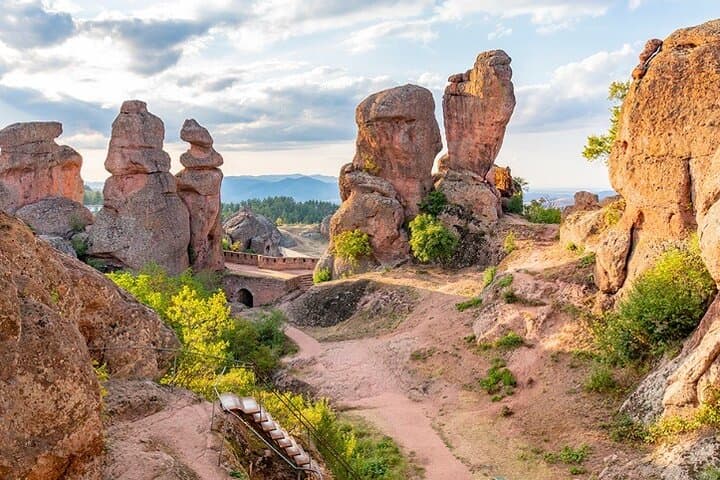
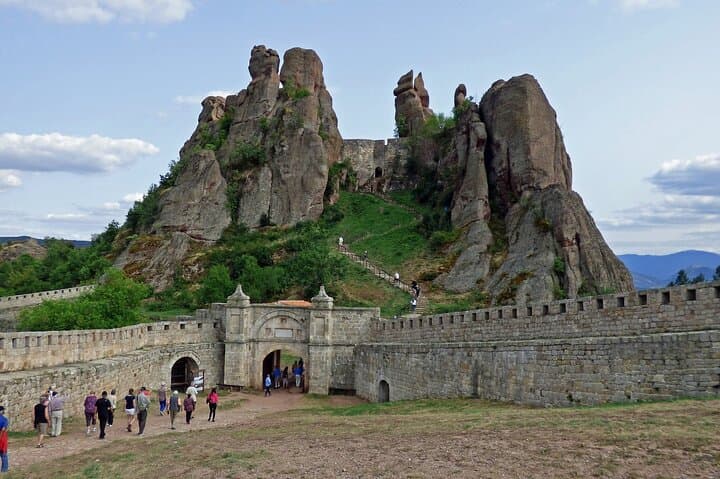
You step out of the minivan onto a wind-swept ridge and the rocks answer back—red and ochre towers stacked like a city of giants, each slab tilted and worn into impossible silhouettes. The town of Belogradchik crouches below; above it, a medieval fortress clings to a spine of sandstone, its walls threaded through natural clefts. For a day you trade Sofia’s flat avenues for a landscape that seems to move when the light shifts.
Verified experiences and guided adventures in the surrounding area.
Operated by P Group · Belogradchik, Vidin Province
You step out of the minivan onto a wind-swept ridge and the rocks answer back—red and ochre towers stacked like a city of giants, each slab tilted and worn into impossible silhouettes. The town of Belogradchik crouches below; above it, a medieval fortress clings to a spine of sandstone, its walls threaded through natural clefts. For a day you trade Sofia’s flat avenues for a landscape that seems to move when the light shifts.
The Belogradchik Rocks are a product of time and tectonics. Layers of sandstone and conglomerate, laid down in the Mesozoic and compressed by the uplift of the Balkan Range, fractured and eroded into cliffs, arches and wedge-shaped pillars. The Romans recognized the strategic value of the high ground here: the original citadel at the top of the fortress dates to Roman-era defenses guarding the road to Ratiaria; later medieval and Ottoman builders expanded walls and passages into the rock.
Culturally the area has always been a crossroads—Bulgarian, Roman and Ottoman traces sit within a compact footprint. Local guides point out rock names born of imagination and folklore: the Madonna, the Mushroom, the Horseman—each a wayfinding story passed down through generations. There’s also a modern effort to protect the formations and nearby habitats, with limits on where vehicles and drones can go during nesting season for raptors.
Practically, expect a long day: most organized tours run about 10 hours round-trip from Sofia with hotel pickup. On-site walking is moderate—think 2–5 km of trails with short steep sections and stone steps; cumulative elevation gain up to a few hundred meters as you ascend to the citadel. Trails are rocky and uneven; use sturdy footwear and bring 1–1.5 liters of water per person. Weather can change quickly on the ridge—layering pays dividends and a windproof jacket is useful even in summer.
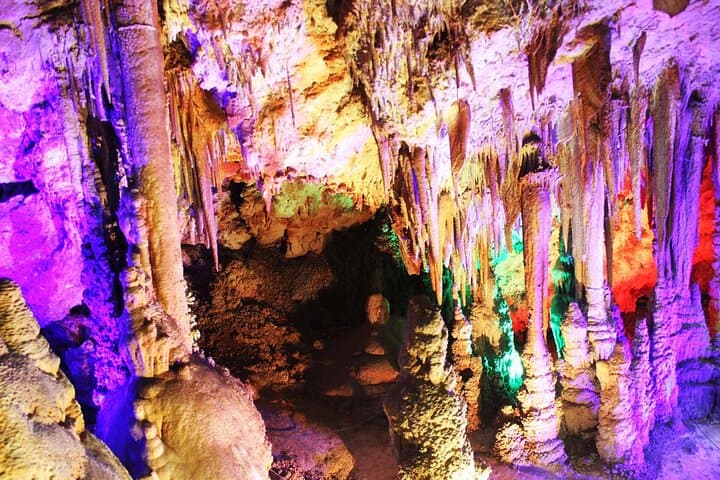
Timing matters. Mornings are quieter for photography and wildlife; the late afternoon light sculpts the rock faces for dramatic shots. The fortress itself rewards a measured pace: narrow stairways and vaulted passages open to crenellated outlooks over the plain. If you’re curious beyond the main viewpoints, add a short visit to nearby Magura Cave or Rabisha Lake to catch prehistoric murals and a quieter shoreline.
Whether you come for geology, history, or just the rare satisfaction of standing where eons meet human craft, Belogradchik delivers a compact, readable landscape. Plan for comfort—good shoes, sun protection, and a camera with zoom—and leave room in your day for one of those moments when the wind shifts and the rocks seem to rearrange themselves just for you.
moderate.
10 hours.
Suitable for travelers with regular mobility who can handle short steep sections and several flights of stone steps; basic stamina for a full-day outing is needed.
Tickets to Belogradchik Fortress are typically bought on-site; some tours don’t include entrance fees—check your booking details and bring cash or card.
The drive is about 3–3.5 hours each way (roughly 180–200 km) depending on traffic—expect a full 10-hour day when combined with time at the site.
Families can join, but there are steep steps and narrow passages; infant carriers with secure harnesses are safer than strollers.
Many operators offer private options; the listed shared tour is capped around 15 travelers—ask the provider about private departures and pricing.
Late spring through early autumn offers the most stable weather and lush surroundings, while autumn light brings dramatic color contrasts on the rocks.
Basic facilities and a small café operate near the main parking area, but services are limited—bring snacks and plan accordingly.
The fortress originated as a Roman citadel guarding the road to Ratiaria; medieval and Ottoman builders expanded its walls into the natural rock formations to control regional routes.
Visitor management programs limit access to sensitive ledges during raptor nesting season; stick to trails and avoid climbing on fragile formations to reduce erosion.
P Group operates guided outdoor trips and adventures with an emphasis on safety, stewardship, and memorable experiences.
You step out of the minivan onto a wind-swept ridge and the rocks answer back—red and ochre towers stacked like a city of giants, each slab tilted and worn into impossible silhouettes. The town of Belogradchik crouches below; above it, a medieval fortress clings to a spine of sandstone, its walls threaded through natural clefts. For a day you trade Sofia’s flat avenues for a landscape that seems to move when the light shifts.
You step out of the minivan onto a wind-swept ridge and the rocks answer back—red and ochre towers stacked like a city of giants, each slab tilted and worn into impossible silhouettes. The town of Belogradchik crouches below; above it, a medieval fortress clings to a spine of sandstone, its walls threaded through natural clefts. For a day you trade Sofia’s flat avenues for a landscape that seems to move when the light shifts.
The Belogradchik Rocks are a product of time and tectonics. Layers of sandstone and conglomerate, laid down in the Mesozoic and compressed by the uplift of the Balkan Range, fractured and eroded into cliffs, arches and wedge-shaped pillars. The Romans recognized the strategic value of the high ground here: the original citadel at the top of the fortress dates to Roman-era defenses guarding the road to Ratiaria; later medieval and Ottoman builders expanded walls and passages into the rock.
Culturally the area has always been a crossroads—Bulgarian, Roman and Ottoman traces sit within a compact footprint. Local guides point out rock names born of imagination and folklore: the Madonna, the Mushroom, the Horseman—each a wayfinding story passed down through generations. There’s also a modern effort to protect the formations and nearby habitats, with limits on where vehicles and drones can go during nesting season for raptors.
Practically, expect a long day: most organized tours run about 10 hours round-trip from Sofia with hotel pickup. On-site walking is moderate—think 2–5 km of trails with short steep sections and stone steps; cumulative elevation gain up to a few hundred meters as you ascend to the citadel. Trails are rocky and uneven; use sturdy footwear and bring 1–1.5 liters of water per person. Weather can change quickly on the ridge—layering pays dividends and a windproof jacket is useful even in summer.
Timing matters. Mornings are quieter for photography and wildlife; the late afternoon light sculpts the rock faces for dramatic shots. The fortress itself rewards a measured pace: narrow stairways and vaulted passages open to crenellated outlooks over the plain. If you’re curious beyond the main viewpoints, add a short visit to nearby Magura Cave or Rabisha Lake to catch prehistoric murals and a quieter shoreline.
Whether you come for geology, history, or just the rare satisfaction of standing where eons meet human craft, Belogradchik delivers a compact, readable landscape. Plan for comfort—good shoes, sun protection, and a camera with zoom—and leave room in your day for one of those moments when the wind shifts and the rocks seem to rearrange themselves just for you.