THE ADVENTURE COLLECTIVE® · Independent discovery and booking for outdoor travel

Try hiking 2.0: an assisted exoskeleton walk from Normafa to Elizabeth Lookout that blends city views, forest trails and optional resistance mode for a proper workout.
Try hiking 2.0: an assisted exoskeleton walk from Normafa to Elizabeth Lookout that blends city views, forest trails and optional resistance mode for a proper workout.
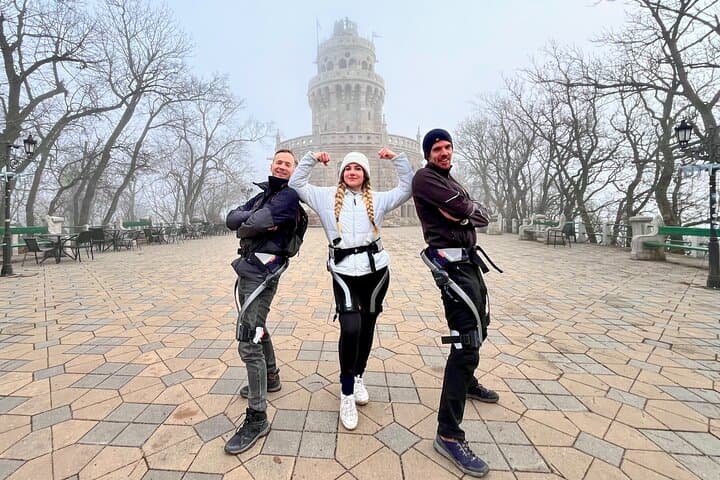
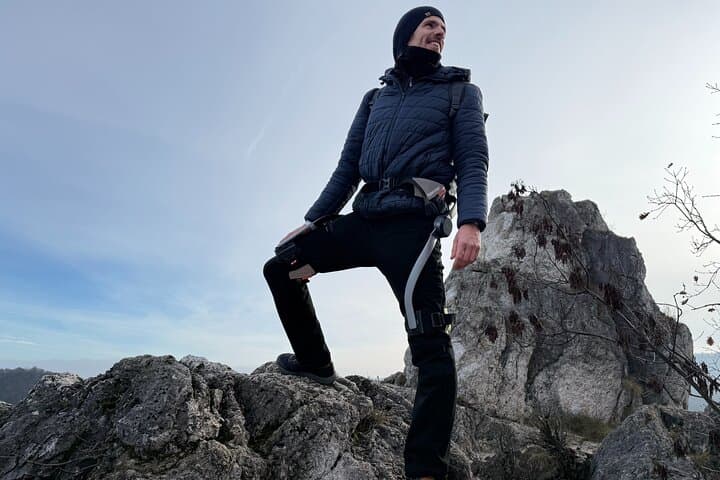
You step out of the transfer into a cool, pine-scented afternoon at Normafa, the Buda Hills’ favorite breathing spot. The exoskeleton straps on like an odd, friendly backpack — a light mechanical promise that the uphill will feel different. As you move, the device hums support into your stride; the forest seems to take the pace personally, nudging you toward the ridgeline and the stone tower above.
Verified experiences and guided adventures in the surrounding area.
Operated by E-Magine Rides Budapest · Budapest, Budapest
You step out of the transfer into a cool, pine-scented afternoon at Normafa, the Buda Hills’ favorite breathing spot. The exoskeleton straps on like an odd, friendly backpack — a light mechanical promise that the uphill will feel different. As you move, the device hums support into your stride; the forest seems to take the pace personally, nudging you toward the ridgeline and the stone tower above.
This route threads local history and geology: Normafa grew as a 19th‑century health and leisure area, while János Hill and Elizabeth Lookout (Erzsébet‑kilátó, 1910) sit atop ancient volcanic and Tertiary sediment layers that shape steep ridges and sharp viewpoints. The narrow‑gauge Children’s Railway and scattered stations like Szépjuhászné add a nostalgic human seam through the woods — reminders that these hills have long been a city escape.
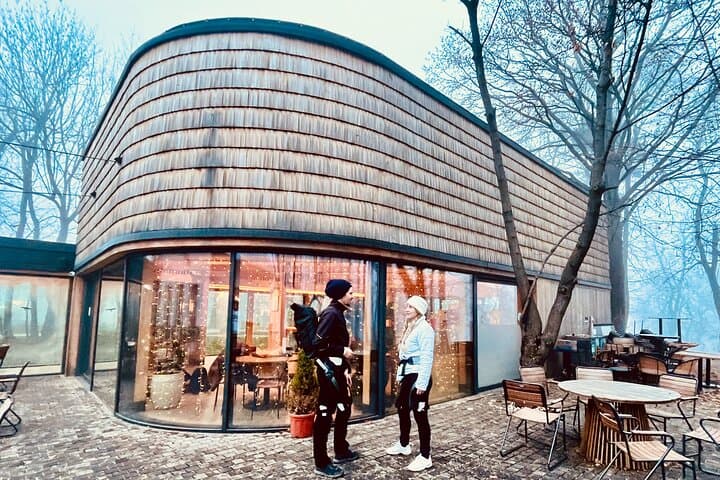
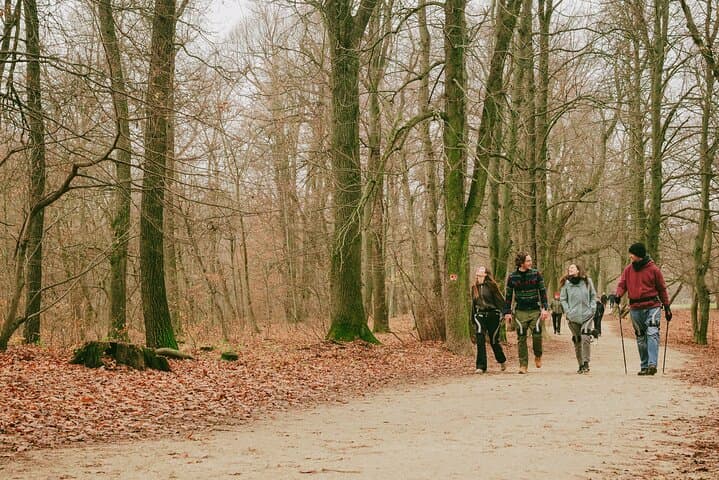
Expect shaded forest trails, packed dirt with occasional rocky steps, and panoramic openings over Budapest. The exoskeleton’s assist modes smooth longer climbs; a fitness mode flips assistance into resistance for a proper workout. Guides brief, fit, and accompany you; private transfers mean the day is compact and focused.
Practical notes: wear grippy hiking shoes, carry 1–1.5 liters of water, and dress in layers for variable hilltop wind. Battery‑assisted walking conserves energy but doesn’t replace basic trail sense — stay on marked paths and follow the guide. Aim for morning or late afternoon to avoid weekend crowds at the Lookout. With a bit of tech and old‑growth shade, this is a fast, fun way to reach one of Budapest’s best viewpoints without surrendering the climb.
moderate.
3–4 hours.
Suitable for most fitness levels—exoskeleton assistance reduces strain but expect sustained uphill walking.
No—briefing, fitting and testing are included and guides adjust assist levels for first‑time users.
Not recommended for pregnant travelers or those with serious cardiovascular issues; follow the operator’s health guidance.
Trails are primarily maintained forest paths with some rocky steps and steady climbs—technical rock scrambling is not required.
The operator’s cancellation policy requires 24‑hour notice for full refund; tours generally proceed in light drizzle but will be adjusted for severe weather.
Normafa developed in the 19th century as a health and leisure area; Elizabeth Lookout (1910) commemorates Queen Elisabeth and crowns János Hill, Budapest’s highest point.
Stay on marked trails to protect fragile understory and rare hilltop flora; the operator emphasizes low‑impact group sizes and pack‑in/pack‑out practices.
E-Magine Rides Budapest operates guided outdoor trips and adventures with an emphasis on safety, stewardship, and memorable experiences.
You step out of the transfer into a cool, pine-scented afternoon at Normafa, the Buda Hills’ favorite breathing spot. The exoskeleton straps on like an odd, friendly backpack — a light mechanical promise that the uphill will feel different. As you move, the device hums support into your stride; the forest seems to take the pace personally, nudging you toward the ridgeline and the stone tower above.
You step out of the transfer into a cool, pine-scented afternoon at Normafa, the Buda Hills’ favorite breathing spot. The exoskeleton straps on like an odd, friendly backpack — a light mechanical promise that the uphill will feel different. As you move, the device hums support into your stride; the forest seems to take the pace personally, nudging you toward the ridgeline and the stone tower above.
This route threads local history and geology: Normafa grew as a 19th‑century health and leisure area, while János Hill and Elizabeth Lookout (Erzsébet‑kilátó, 1910) sit atop ancient volcanic and Tertiary sediment layers that shape steep ridges and sharp viewpoints. The narrow‑gauge Children’s Railway and scattered stations like Szépjuhászné add a nostalgic human seam through the woods — reminders that these hills have long been a city escape.
Expect shaded forest trails, packed dirt with occasional rocky steps, and panoramic openings over Budapest. The exoskeleton’s assist modes smooth longer climbs; a fitness mode flips assistance into resistance for a proper workout. Guides brief, fit, and accompany you; private transfers mean the day is compact and focused.
Practical notes: wear grippy hiking shoes, carry 1–1.5 liters of water, and dress in layers for variable hilltop wind. Battery‑assisted walking conserves energy but doesn’t replace basic trail sense — stay on marked paths and follow the guide. Aim for morning or late afternoon to avoid weekend crowds at the Lookout. With a bit of tech and old‑growth shade, this is a fast, fun way to reach one of Budapest’s best viewpoints without surrendering the climb.