THE ADVENTURE COLLECTIVE® · Independent discovery and booking for outdoor travel

Spend a single day moving from Miami’s urban waterfront to the broad, slow pulse of the Everglades. This small-group tour pairs local storytelling with hands-on access to sawgrass marshes—ideal for travelers who want a concise but comprehensive introduction to South Florida’s city and wild.
Spend a single day moving from Miami’s urban waterfront to the broad, slow pulse of the Everglades. This small-group tour pairs local storytelling with hands-on access to sawgrass marshes—ideal for travelers who want a concise but comprehensive introduction to South Florida’s city and wild.
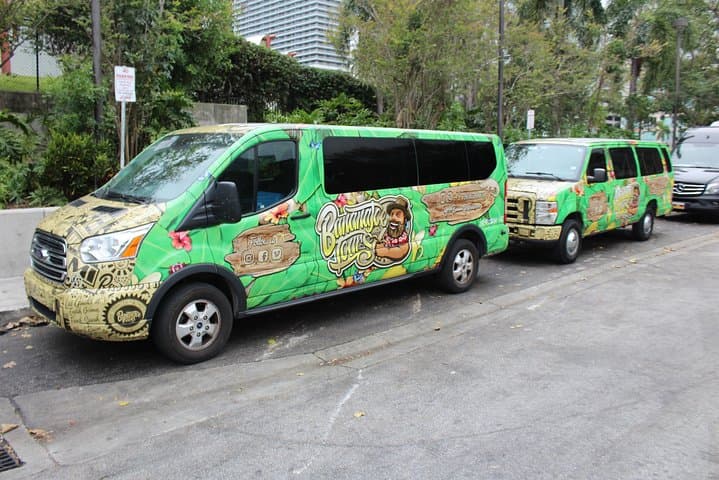
You step onto the tour bus before dawn and Miami still hums: low-rise hotels, palms stitched against a violet sky. The ride out of the city is gradual—glass towers give way to scrub and then to the featureless green of the Everglades, a low, breathing expanse that demands a different kind of attention.
Verified experiences and guided adventures in the surrounding area.
Operated by Banana Joe Tours · Miami, Florida
You step onto the tour bus before dawn and Miami still hums: low-rise hotels, palms stitched against a violet sky. The ride out of the city is gradual—glass towers give way to scrub and then to the featureless green of the Everglades, a low, breathing expanse that demands a different kind of attention.
The tour splits time between two Americana: urban Miami and the subtropical wetland that cradles it. In the city, a guide with more than a decade of local experience moves through neighborhoods with brisk, precise context—how 20th-century land speculation shaped Biscayne Boulevard, why Art Deco lines gather on Ocean Drive, and where Cuban cafés quietly rewrote Florida’s culinary map.
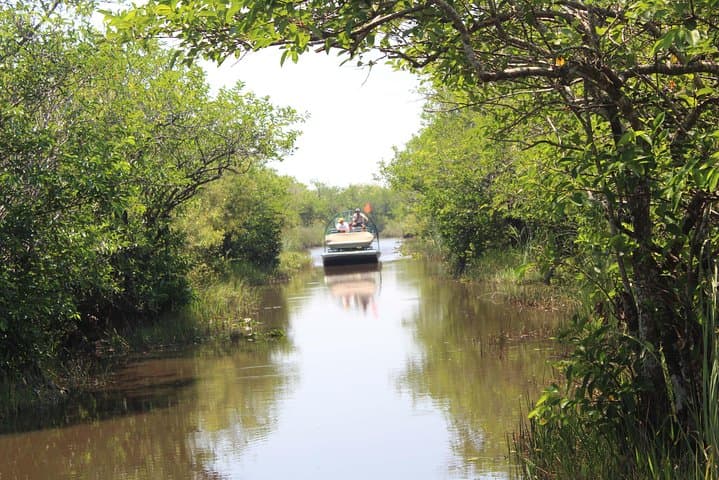
Then the bus crosses the threshold into sawgrass and cypress. Geologically the Everglades is not a river in a channel but a slow sheet of water—water that has, over millennia, scoured peat and spread limestone into flat, porous ground. That slow current “pushes forward” life adapted to its pulse: wading birds, apple-green mangroves, and the occasional alligator that basks like a dark, sun-warmed log.
History here is layered. The land has been home to Indigenous peoples for thousands of years; later, drainage projects and development plans threatened the hydrology that sustains the ecosystem. Conservation efforts in the 20th and 21st centuries have tried to reclaim a piece of balance, and today guides pair natural history with policy context so you come away with more than photos.
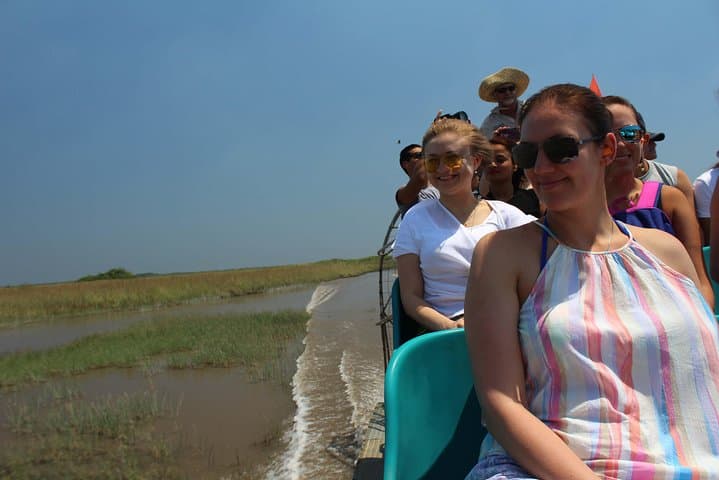
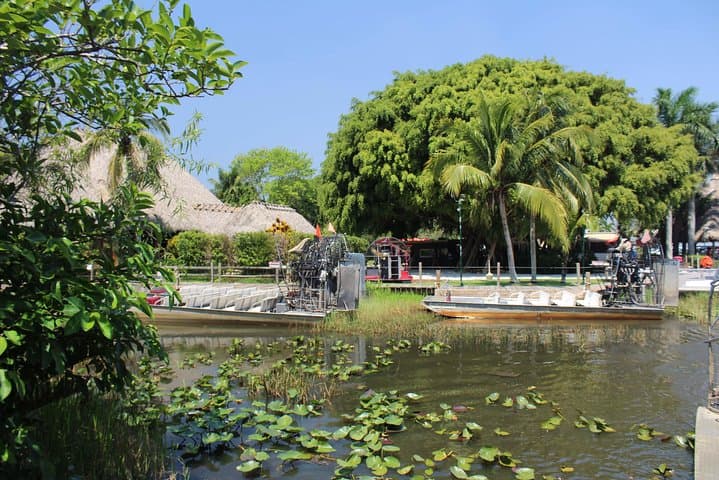
What the tour delivers practically is economical: an air-conditioned vehicle, small-group attention, and a mix of stops—short city walks, panoramic lookouts, and at least one extended visit into the marsh, often on a boardwalk or an airboat outing. Plan for a long day: the full itinerary runs about 7–8 hours, with pickup times sent the afternoon before the trip.
For planning: hydrate before the bus, wear breathable layers and sturdy closed shoes—the Everglades boardwalks can be slippery and the sun in Miami is insistent. Binoculars are worth the extra carry; wildlife can be close but often is best observed at a distance. Bring sunscreen and a hat, and stash a light rain shell—weather flips quickly here.
A small-group tour keeps questions alive and the pace flexible—expect local tips on where to eat in Little Havana or where to catch sunset views over Biscayne Bay. Whether you arrive as a city-lover or a nature-first traveler, this itinerary stitches both into a single day that’s part urban snapshot, part slow-walking into one of North America’s most unusual wetlands.
moderate.
7–8 hours.
Suitable for people in average fitness—mostly easy walking with a few short standing or walking stops.
The tour runs about 7–8 hours (450 minutes). Exact pickup and start times vary by location and are emailed the afternoon before the tour.
Pickup is offered within a defined area; if outside it you’ll be assigned a central meeting point such as Maurice A. Ferré Park or a Miami Beach car park.
Yes—guides know the best lookout points for birds, turtles, and often alligators, but sightings can't be guaranteed; wildlife moves with the water and weather.
The tour is family-friendly with short, easy walks, but not recommended for travelers with serious spinal injuries; notify the operator about mobility needs in advance.
Guides are local experts; language availability (e.g., German) depends on the specific departure—check the product listing when booking.
All sales are final; there is no refund for cancellations. The operator may cancel if minimum travelers aren't met and will advise options at that time.
The Everglades’ hydrology was dramatically altered by 20th-century drainage projects; restoration is an ongoing regional priority involving federal and state programs.
Tours emphasize staying on boardwalks and observing wildlife from distance; choose operators that support local restoration efforts and avoid feeding wildlife.
Banana Joe Tours operates guided outdoor trips and adventures with an emphasis on safety, stewardship, and memorable experiences.
You step onto the tour bus before dawn and Miami still hums: low-rise hotels, palms stitched against a violet sky. The ride out of the city is gradual—glass towers give way to scrub and then to the featureless green of the Everglades, a low, breathing expanse that demands a different kind of attention.
You step onto the tour bus before dawn and Miami still hums: low-rise hotels, palms stitched against a violet sky. The ride out of the city is gradual—glass towers give way to scrub and then to the featureless green of the Everglades, a low, breathing expanse that demands a different kind of attention.
The tour splits time between two Americana: urban Miami and the subtropical wetland that cradles it. In the city, a guide with more than a decade of local experience moves through neighborhoods with brisk, precise context—how 20th-century land speculation shaped Biscayne Boulevard, why Art Deco lines gather on Ocean Drive, and where Cuban cafés quietly rewrote Florida’s culinary map.
Then the bus crosses the threshold into sawgrass and cypress. Geologically the Everglades is not a river in a channel but a slow sheet of water—water that has, over millennia, scoured peat and spread limestone into flat, porous ground. That slow current “pushes forward” life adapted to its pulse: wading birds, apple-green mangroves, and the occasional alligator that basks like a dark, sun-warmed log.
History here is layered. The land has been home to Indigenous peoples for thousands of years; later, drainage projects and development plans threatened the hydrology that sustains the ecosystem. Conservation efforts in the 20th and 21st centuries have tried to reclaim a piece of balance, and today guides pair natural history with policy context so you come away with more than photos.
What the tour delivers practically is economical: an air-conditioned vehicle, small-group attention, and a mix of stops—short city walks, panoramic lookouts, and at least one extended visit into the marsh, often on a boardwalk or an airboat outing. Plan for a long day: the full itinerary runs about 7–8 hours, with pickup times sent the afternoon before the trip.
For planning: hydrate before the bus, wear breathable layers and sturdy closed shoes—the Everglades boardwalks can be slippery and the sun in Miami is insistent. Binoculars are worth the extra carry; wildlife can be close but often is best observed at a distance. Bring sunscreen and a hat, and stash a light rain shell—weather flips quickly here.
A small-group tour keeps questions alive and the pace flexible—expect local tips on where to eat in Little Havana or where to catch sunset views over Biscayne Bay. Whether you arrive as a city-lover or a nature-first traveler, this itinerary stitches both into a single day that’s part urban snapshot, part slow-walking into one of North America’s most unusual wetlands.