THE ADVENTURE COLLECTIVE® · Independent discovery and booking for outdoor travel

A seven-day loop from Galway through Killarney and Dingle, this small-group tour moves at a brisk, local pace—Cliffs of Moher, Shannon ferry crossings, falconry and trad music nights. Perfect for travelers who want an active, curated introduction to Ireland’s Wild Atlantic Way.
A seven-day loop from Galway through Killarney and Dingle, this small-group tour moves at a brisk, local pace—Cliffs of Moher, Shannon ferry crossings, falconry and trad music nights. Perfect for travelers who want an active, curated introduction to Ireland’s Wild Atlantic Way.
You step off the coach into Atlantic air that tastes like salt and cut grass. The guide closes the bus door with a practiced thud and points toward the low, wind-slashed cliffs of the west: the week ahead promises single-lane roads, stone churches with missing roofs, and pubs where the music seems to arrive before you do. This is Ireland’s southwest in motion — a corridor of high cliffs, peat bog, and small towns with large personalities.
Verified experiences and guided adventures in the surrounding area.
Operated by Essential Ireland Tours · Galway, County Galway
You step off the coach into Atlantic air that tastes like salt and cut grass. The guide closes the bus door with a practiced thud and points toward the low, wind-slashed cliffs of the west: the week ahead promises single-lane roads, stone churches with missing roofs, and pubs where the music seems to arrive before you do. This is Ireland’s southwest in motion — a corridor of high cliffs, peat bog, and small towns with large personalities.
The route stitches together geological drama and human history. The Cliffs of Moher are ancient limestone pushed up and scoured by relentless ocean seasons; the Burren’s karst pavement reads like a map of glaciation and dissolution. Killarney bears echoes of Anglo-Irish estates and Victorian tourism — Muckross House is a study in 19th-century display — while Dingle still speaks Irish through place names, songs and a stubborn local economy of fishing and farming. Falconry sessions and visits to family-run farms underline that this week is as much about living culture as it is about scenery.
On a practical note, the tour’s small-group format keeps travel efficient without feeling rushed. Days are long but segmented: stops at Clonmacnoise and the Guinness Storehouse on day one, the ferry crossing of the Shannon to break a long drive on day two, then concentrated time on the Dingle Peninsula with its ancient beehive huts and Slea Head drive. Walks are generally short—gentle hikes to waterfalls, boardwalk strolls to panoramic viewpoints and brief explorations of archaeological ruins—so the trip suits travelers who want active sightseeing without technical hiking.
Meals and most entrances are included, and accommodations alternate between 4-star hotels and characterful guesthouses; expect communal dining and nights of live music that are as educational as they are entertaining. The guide handles logistics and local introductions—farm visits, falconry, even chocolate tastings—so you can focus on the landscape and conversation.
Plan for changeable weather and variable road speeds. Pack a reliable waterproof, sturdy walking shoes, and a compact daypack for excursions. Bring euros, an adapter for Irish sockets, and enough stamina for consecutive travel days: some mornings begin early to maximize daylight. If you want extra time in any stop—Galway’s Latin Quarter, Killarney National Park, or a Dingle pub—mention it to your guide; small groups usually allow for flexibility.
By the end of seven days the land has a rhythm: ocean wind that demands attention, low hills that invite slow walking, and villages that will offer you a story and a pint. It’s a week designed for immersion—geology in the hand, history in the bones, and music threading the evenings—an efficient, sensory introduction to Ireland’s west coast that rewards curiosity and good boots.
easy.
7 days.
Suitable for travelers in average fitness; daily activity is low-impact with short walks and sightseeing.
The tour meets outside the Leonardo Hotel in Christchurch at 9:30 AM on day one; the guide will call guests by name.
The tour is rated easy—most walking is short and non-technical, suitable for travelers with average mobility.
All breakfasts and select activities/entrances are included; evening meals are generally on your own unless specified.
Yes—booking asks for special requirements so the operator can arrange suitable meals where possible.
Single rooms may be available but check availability and any single-supplement fees at booking.
Wear long sleeves; the operator provides a glove and basic instruction—camera allowed but follow the falconer’s guidance.
This route threads early Christian monastic sites like Clonmacnoise, medieval Norman villages such as Adare, and 19th-century estates reflecting Ireland’s complex colonial history.
Local operators emphasize small-group visits and support family farms; stick to marked paths to protect fragile karst and peatland habitats.
Essential Ireland Tours operates guided outdoor trips and adventures with an emphasis on safety, stewardship, and memorable experiences.
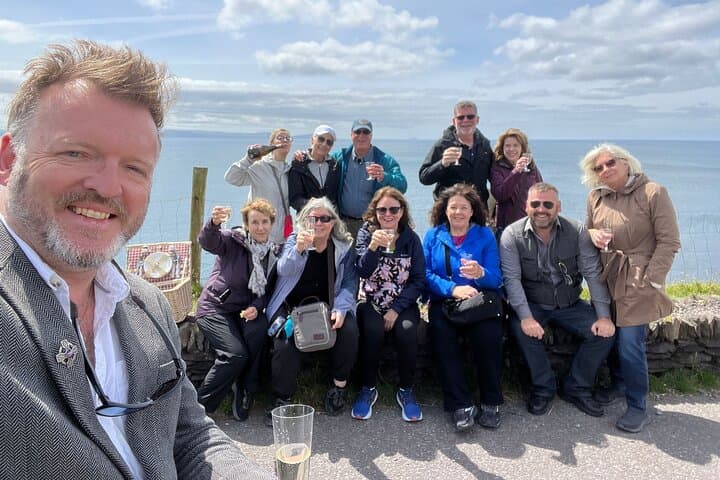
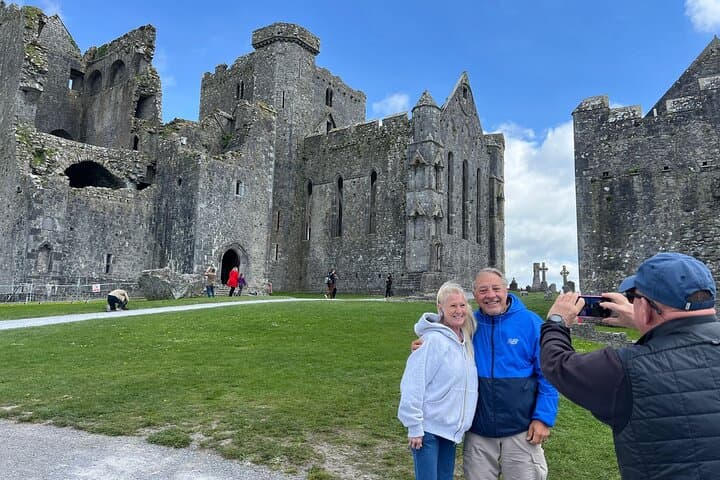
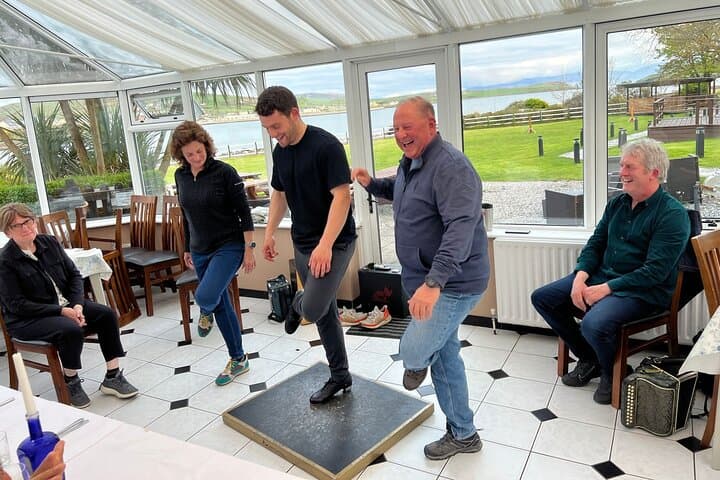
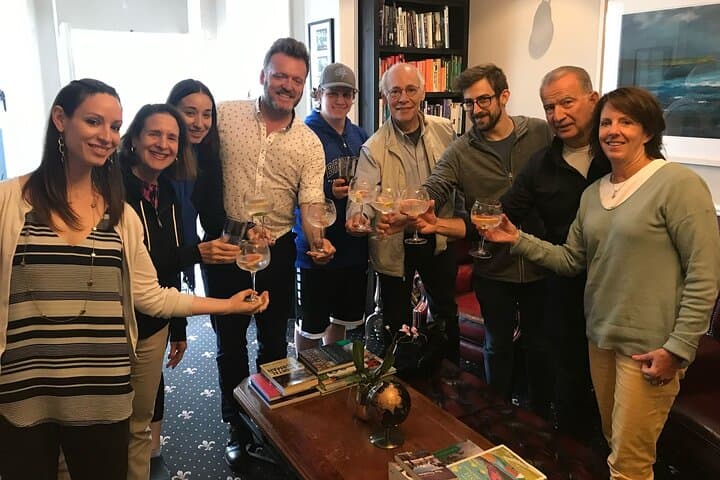
You step off the coach into Atlantic air that tastes like salt and cut grass. The guide closes the bus door with a practiced thud and points toward the low, wind-slashed cliffs of the west: the week ahead promises single-lane roads, stone churches with missing roofs, and pubs where the music seems to arrive before you do. This is Ireland’s southwest in motion — a corridor of high cliffs, peat bog, and small towns with large personalities.
You step off the coach into Atlantic air that tastes like salt and cut grass. The guide closes the bus door with a practiced thud and points toward the low, wind-slashed cliffs of the west: the week ahead promises single-lane roads, stone churches with missing roofs, and pubs where the music seems to arrive before you do. This is Ireland’s southwest in motion — a corridor of high cliffs, peat bog, and small towns with large personalities.
The route stitches together geological drama and human history. The Cliffs of Moher are ancient limestone pushed up and scoured by relentless ocean seasons; the Burren’s karst pavement reads like a map of glaciation and dissolution. Killarney bears echoes of Anglo-Irish estates and Victorian tourism — Muckross House is a study in 19th-century display — while Dingle still speaks Irish through place names, songs and a stubborn local economy of fishing and farming. Falconry sessions and visits to family-run farms underline that this week is as much about living culture as it is about scenery.
On a practical note, the tour’s small-group format keeps travel efficient without feeling rushed. Days are long but segmented: stops at Clonmacnoise and the Guinness Storehouse on day one, the ferry crossing of the Shannon to break a long drive on day two, then concentrated time on the Dingle Peninsula with its ancient beehive huts and Slea Head drive. Walks are generally short—gentle hikes to waterfalls, boardwalk strolls to panoramic viewpoints and brief explorations of archaeological ruins—so the trip suits travelers who want active sightseeing without technical hiking.
Meals and most entrances are included, and accommodations alternate between 4-star hotels and characterful guesthouses; expect communal dining and nights of live music that are as educational as they are entertaining. The guide handles logistics and local introductions—farm visits, falconry, even chocolate tastings—so you can focus on the landscape and conversation.
Plan for changeable weather and variable road speeds. Pack a reliable waterproof, sturdy walking shoes, and a compact daypack for excursions. Bring euros, an adapter for Irish sockets, and enough stamina for consecutive travel days: some mornings begin early to maximize daylight. If you want extra time in any stop—Galway’s Latin Quarter, Killarney National Park, or a Dingle pub—mention it to your guide; small groups usually allow for flexibility.
By the end of seven days the land has a rhythm: ocean wind that demands attention, low hills that invite slow walking, and villages that will offer you a story and a pint. It’s a week designed for immersion—geology in the hand, history in the bones, and music threading the evenings—an efficient, sensory introduction to Ireland’s west coast that rewards curiosity and good boots.