THE ADVENTURE COLLECTIVE® · Independent discovery and booking for outdoor travel

Spend a private day exploring Erawan’s seven-tiered falls, a hidden golden chedi, the WWII Cemetery, and a boat ride on the River Kwai. This full-day tour blends swimming, short hikes, and history with private transport and a local guide.
Spend a private day exploring Erawan’s seven-tiered falls, a hidden golden chedi, the WWII Cemetery, and a boat ride on the River Kwai. This full-day tour blends swimming, short hikes, and history with private transport and a local guide.
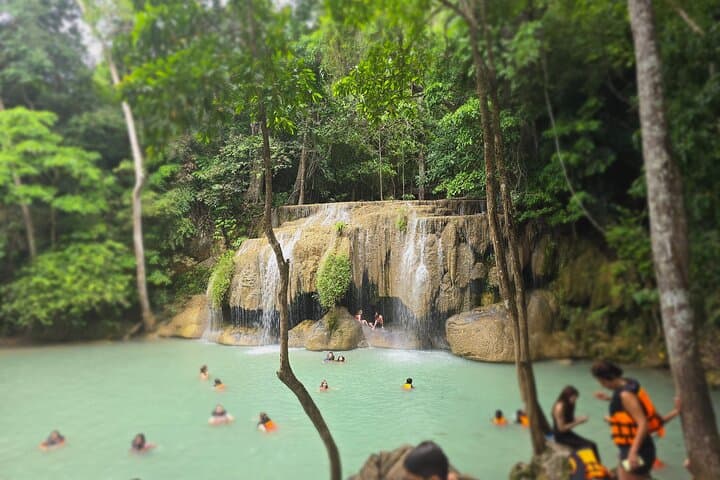
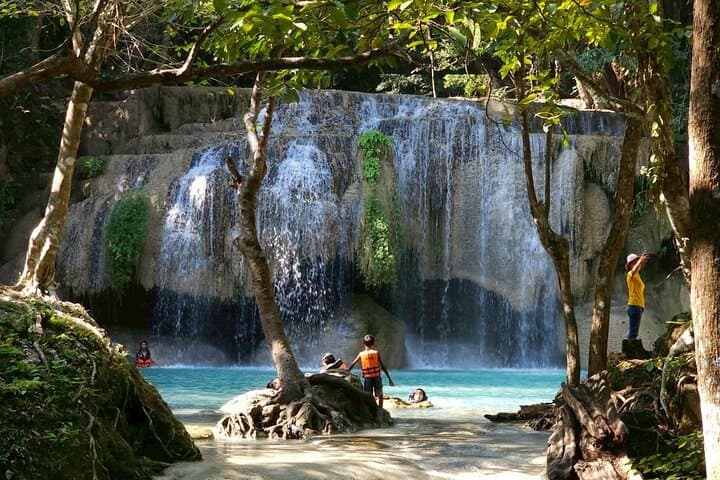
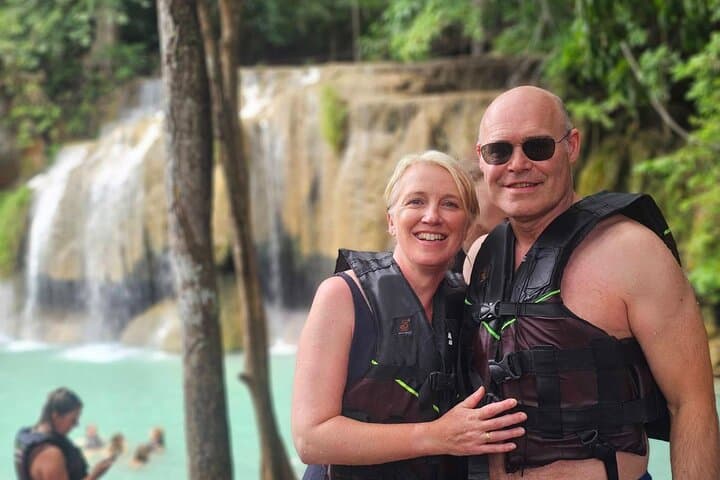
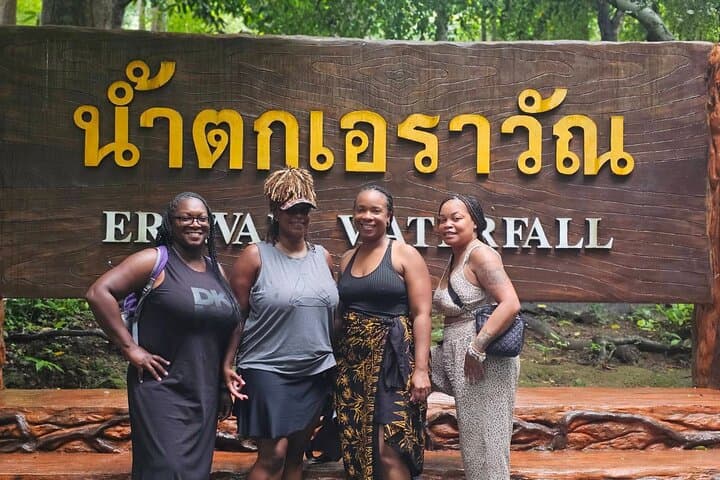
Mist lifts off the emerald pools as the group steps onto the leaf-strewn trail — sunlight skimming the surface of tiered basins while the forest leans in to listen. The Erawan Waterfall’s seven tiers cascade through limestone steps, each pool cooler and clearer than the last; visitors hike roughly 1.5–2 km round trip along uneven, often wet paths with an estimated 200–300 m cumulative ascent to reach the upper tiers. After a swim in the lower pools, the day shifts from geology to memory: a measured walk through the WWII Cemetery, where neat rows of headstones mark the toll of the Death Railway, then a quiet stop at Phra That Si Mueang Kan Chedi, a golden stupa that rewards a short climb with sweeping valley views.
Verified experiences and guided adventures in the surrounding area.
Operated by NocNoc Travel and Tours · Kanchanaburi, Kanchanaburi Province
Mist lifts off the emerald pools as the group steps onto the leaf-strewn trail — sunlight skimming the surface of tiered basins while the forest leans in to listen. The Erawan Waterfall’s seven tiers cascade through limestone steps, each pool cooler and clearer than the last; visitors hike roughly 1.5–2 km round trip along uneven, often wet paths with an estimated 200–300 m cumulative ascent to reach the upper tiers. After a swim in the lower pools, the day shifts from geology to memory: a measured walk through the WWII Cemetery, where neat rows of headstones mark the toll of the Death Railway, then a quiet stop at Phra That Si Mueang Kan Chedi, a golden stupa that rewards a short climb with sweeping valley views.
Later, a private longtail boat puts the River Kwai on equal footing with history, pushing past riverside huts and palm-fringed banks before landing at the famous bridge — vantage and narrative changing with every bend. Expect limestone terraces, teak forest patches, and glimpses of riverine life; the guide’s local knowledge connects site geology to Thai culture and wartime history.
Practical edge: wear grippy shoes for slippery rock, bring reef-safe sunscreen and a towel for swims, and carry cash for small vendors. Plan for an early start to avoid midday heat and allow 11–13 hours for hotel pickup, park time, lunch, temple stops, the cemetery, and the boat transfer. Respect temple etiquette and the cemetery’s solemnity; stay on marked trails to protect fragile karst and pool ecology.
moderate.
11–13 hours.
Light to moderate fitness — able to handle short uphill sections, uneven terrain, and brief swims.
Yes — swimming in the designated pools is permitted; avoid upper tiers if signs prohibit access due to flow or maintenance.
The tour is private and paced, but the waterfall trail has uneven steps; families and seniors should be comfortable with short hikes and slippery surfaces.
Carry small-denomination Thai baht for market purchases, temple donations, and optional refreshments; cards aren’t always accepted at smaller stops.
Boat transfers and the riverside cruise portion are typically 45–90 minutes depending on route and stops, included in the private transport time.
Kanchanaburi’s landscape is marked by WWII history — the Death Railway and the Bridge over the River Kwai remain powerful reminders of forced labor and wartime logistics.
Erawan is protected as a national park; stay on trails, avoid soaps or lotions in pools, and follow park rules to limit erosion and pollution.
NocNoc Travel and Tours operates guided outdoor trips and adventures with an emphasis on safety, stewardship, and memorable experiences.
Mist lifts off the emerald pools as the group steps onto the leaf-strewn trail — sunlight skimming the surface of tiered basins while the forest leans in to listen. The Erawan Waterfall’s seven tiers cascade through limestone steps, each pool cooler and clearer than the last; visitors hike roughly 1.5–2 km round trip along uneven, often wet paths with an estimated 200–300 m cumulative ascent to reach the upper tiers. After a swim in the lower pools, the day shifts from geology to memory: a measured walk through the WWII Cemetery, where neat rows of headstones mark the toll of the Death Railway, then a quiet stop at Phra That Si Mueang Kan Chedi, a golden stupa that rewards a short climb with sweeping valley views.
Mist lifts off the emerald pools as the group steps onto the leaf-strewn trail — sunlight skimming the surface of tiered basins while the forest leans in to listen. The Erawan Waterfall’s seven tiers cascade through limestone steps, each pool cooler and clearer than the last; visitors hike roughly 1.5–2 km round trip along uneven, often wet paths with an estimated 200–300 m cumulative ascent to reach the upper tiers. After a swim in the lower pools, the day shifts from geology to memory: a measured walk through the WWII Cemetery, where neat rows of headstones mark the toll of the Death Railway, then a quiet stop at Phra That Si Mueang Kan Chedi, a golden stupa that rewards a short climb with sweeping valley views.
Later, a private longtail boat puts the River Kwai on equal footing with history, pushing past riverside huts and palm-fringed banks before landing at the famous bridge — vantage and narrative changing with every bend. Expect limestone terraces, teak forest patches, and glimpses of riverine life; the guide’s local knowledge connects site geology to Thai culture and wartime history.
Practical edge: wear grippy shoes for slippery rock, bring reef-safe sunscreen and a towel for swims, and carry cash for small vendors. Plan for an early start to avoid midday heat and allow 11–13 hours for hotel pickup, park time, lunch, temple stops, the cemetery, and the boat transfer. Respect temple etiquette and the cemetery’s solemnity; stay on marked trails to protect fragile karst and pool ecology.