THE ADVENTURE COLLECTIVE® · Independent discovery and booking for outdoor travel

Stand in Dupont Circle and follow a former intelligence officer through the secretive history of Embassy Row. This 90-minute walk blends true-case storytelling, hands-on tradecraft practice, and practical tips for reading the city's hidden cues.
Stand in Dupont Circle and follow a former intelligence officer through the secretive history of Embassy Row. This 90-minute walk blends true-case storytelling, hands-on tradecraft practice, and practical tips for reading the city's hidden cues.
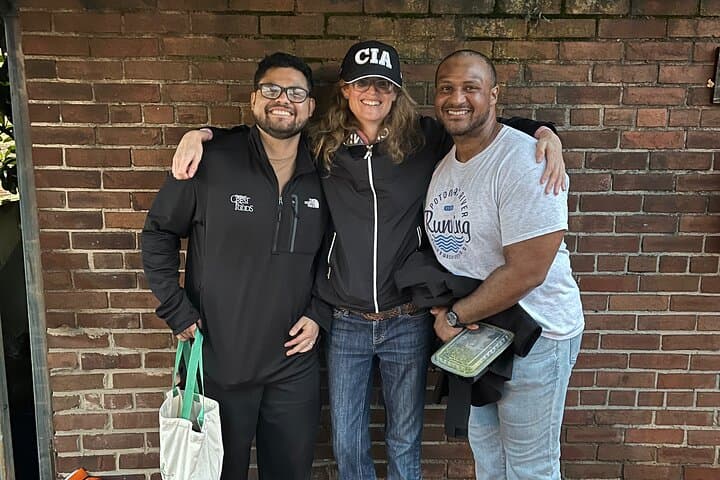
Stand at the northwest lip of the Dupont Circle fountain and the city changes tone: traffic becomes a murmur, marble embassies lean in, and a former intelligence officer adjusts a baseball cap as if slipping into a costume.
Verified experiences and guided adventures in the surrounding area.
Operated by Spyher · Washington, District of Columbia
Stand at the northwest lip of the Dupont Circle fountain and the city changes tone: traffic becomes a murmur, marble embassies lean in, and a former intelligence officer adjusts a baseball cap as if slipping into a costume.
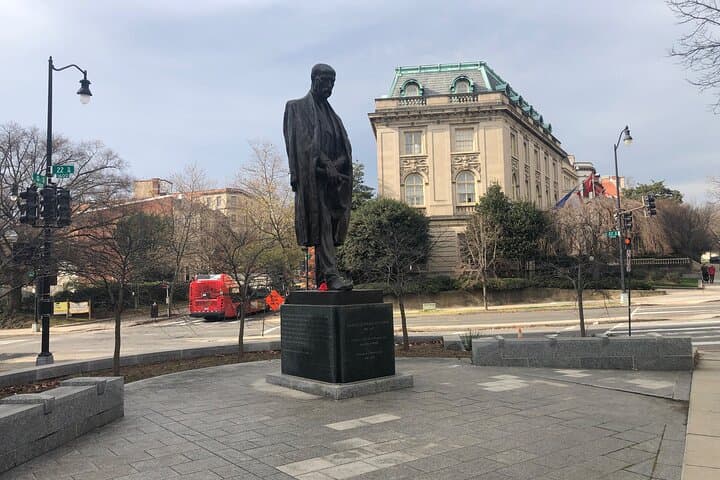
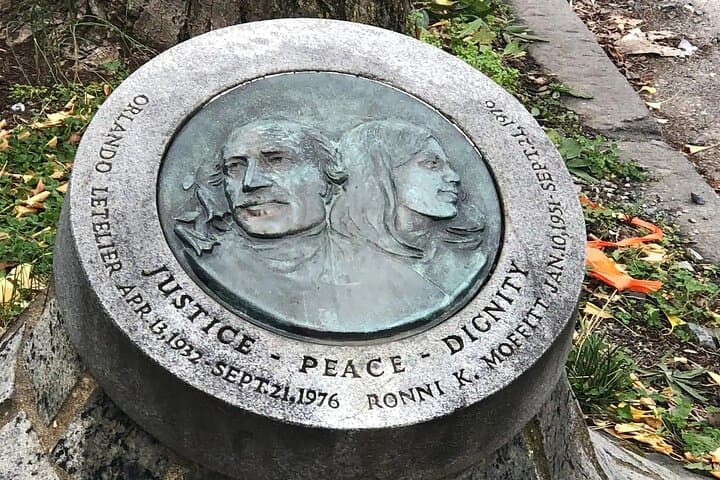
That is where this 90-minute walking tour begins, with a practiced eye narrating the story of shadow work on a boulevard of flags. The guide—someone who once operated inside intelligence tradecraft—frames each stop as a case file. You’ll trace how spies used anonymity and choreography in the open: dead drops near lampposts, coded questions exchanged on stoops, and bold, fatal interceptions such as the assassination of Orlando Letelier at Sheridan Circle. The experience moves quickly, part history lesson and part practical clinic: you’ll practice signals and decode a mock dead drop, the city's pavements transformed into a classroom for clandestine skills.
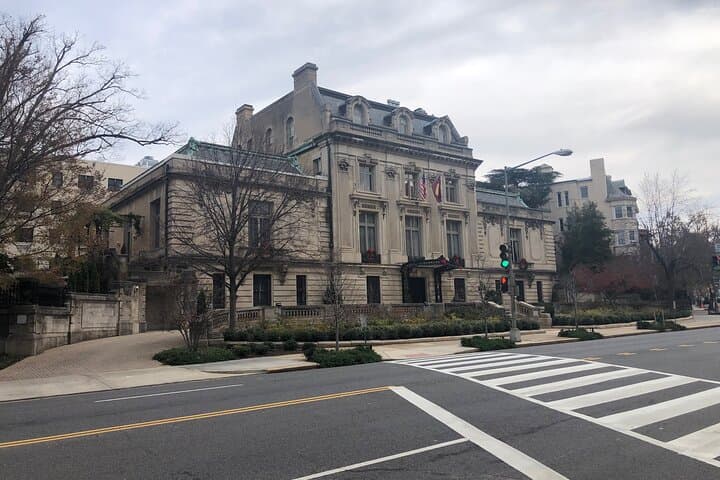
Embassy Row itself is a product of nineteenth-century expansion along Massachusetts Avenue, when grand townhouses gave way to diplomatic missions. D.C.’s streets—laid out by L'Enfant and later softened with circles and diagonal avenues—created pockets of concealment and lines of sight that favored tailing and surveillance. The tour threads these urban features into a narrative of Cold War maneuvers, Revolutionary War espionage, and the rituals of modern intelligence work.
Cultural notes appear between stops: the neighborhood’s coffee shops that quietly hosted foreign officers, the bookshops that doubled as meeting places, and the odd local memory of suspicious deaths that shaped diplomatic security reforms. Practicalities are woven into the storytelling—how to read a map, how to move when you don’t want to be noticed, and the etiquette of photographing sensitive locations.
For travelers, the tour is compact but intense. Expect roughly 1.5 miles on mostly flat pavement, occasional curbs and crosswalks, and a moderate pace designed to keep a group together while giving time for Q&A. The meeting instructions are precise: arrive five to ten minutes early at the northwest area of the fountain; the contact carries a magazine and wears a baseball cap and will use a scripted reply if you approach with the prompt question. The walk ends near the corner of Q Street and 19th Street by the Dupont Circle Hotel—close enough to linger over coffee and debrief.
Bring comfortable shoes, be ready for street noise and close quarters with a small group, and leave any items you don’t want to fuss with in a hotel locker or bag. The tour is accessible and public-transport friendly, but note there are no planned bathroom breaks during the 90 minutes. For anyone curious about espionage without glamor or pretense, this tour delivers the methods, motives, and missteps of those who once moved in the shadows of the capital.
moderate.
1.5 hours.
Should be comfortable walking for 60–90 minutes at a steady pace on city sidewalks; able to step up/down curbs.
Meet at the northwest area of the Dupont Circle fountain; the contact will wear a baseball cap and carry a magazine and use a scripted reply if you ask the challenge question.
Yes—paths and surfaces are wheelchair accessible, but contact the operator in advance if you have specific mobility needs.
Infants and small children in strollers are permitted, but the tour content and pace are geared toward adults and teens who can follow a 90-minute walk.
Yes, but avoid photographing security personnel or restricted embassy areas—follow the guide’s directions at sensitive stops.
Tours may be canceled for severe weather; light rain typically won’t stop the walk—bring a rain shell and waterproof footwear if showers are forecast.
For a full refund cancel at least 24 hours before the scheduled departure; tours may also be canceled if there are too few participants.
Massachusetts Avenue became 'Embassy Row' as wealthy residences were converted to diplomatic missions in the late 19th and early 20th centuries; the area’s layout and grand homes made it a natural stage for international intrigue.
Urban green spaces like Dupont Circle are managed to balance foot traffic and tree canopy health; follow Leave No Trace principles by disposing of waste and staying on sidewalks.
Spyher operates guided outdoor trips and adventures with an emphasis on safety, stewardship, and memorable experiences.
Stand at the northwest lip of the Dupont Circle fountain and the city changes tone: traffic becomes a murmur, marble embassies lean in, and a former intelligence officer adjusts a baseball cap as if slipping into a costume.
Stand at the northwest lip of the Dupont Circle fountain and the city changes tone: traffic becomes a murmur, marble embassies lean in, and a former intelligence officer adjusts a baseball cap as if slipping into a costume.
That is where this 90-minute walking tour begins, with a practiced eye narrating the story of shadow work on a boulevard of flags. The guide—someone who once operated inside intelligence tradecraft—frames each stop as a case file. You’ll trace how spies used anonymity and choreography in the open: dead drops near lampposts, coded questions exchanged on stoops, and bold, fatal interceptions such as the assassination of Orlando Letelier at Sheridan Circle. The experience moves quickly, part history lesson and part practical clinic: you’ll practice signals and decode a mock dead drop, the city's pavements transformed into a classroom for clandestine skills.
Embassy Row itself is a product of nineteenth-century expansion along Massachusetts Avenue, when grand townhouses gave way to diplomatic missions. D.C.’s streets—laid out by L'Enfant and later softened with circles and diagonal avenues—created pockets of concealment and lines of sight that favored tailing and surveillance. The tour threads these urban features into a narrative of Cold War maneuvers, Revolutionary War espionage, and the rituals of modern intelligence work.
Cultural notes appear between stops: the neighborhood’s coffee shops that quietly hosted foreign officers, the bookshops that doubled as meeting places, and the odd local memory of suspicious deaths that shaped diplomatic security reforms. Practicalities are woven into the storytelling—how to read a map, how to move when you don’t want to be noticed, and the etiquette of photographing sensitive locations.
For travelers, the tour is compact but intense. Expect roughly 1.5 miles on mostly flat pavement, occasional curbs and crosswalks, and a moderate pace designed to keep a group together while giving time for Q&A. The meeting instructions are precise: arrive five to ten minutes early at the northwest area of the fountain; the contact carries a magazine and wears a baseball cap and will use a scripted reply if you approach with the prompt question. The walk ends near the corner of Q Street and 19th Street by the Dupont Circle Hotel—close enough to linger over coffee and debrief.
Bring comfortable shoes, be ready for street noise and close quarters with a small group, and leave any items you don’t want to fuss with in a hotel locker or bag. The tour is accessible and public-transport friendly, but note there are no planned bathroom breaks during the 90 minutes. For anyone curious about espionage without glamor or pretense, this tour delivers the methods, motives, and missteps of those who once moved in the shadows of the capital.