THE ADVENTURE COLLECTIVE® · Independent discovery and booking for outdoor travel

Board a traditional banca at dawn and carve through emerald water to Big Lagoon, Small Lagoon, Secret Beach and Seven Commando Beach. This full‑day Group Tour A is a fast, scenic primer on El Nido’s dramatic karst islands—perfect for first‑time visitors who want a concentrated dose of Palawan’s best.
Board a traditional banca at dawn and carve through emerald water to Big Lagoon, Small Lagoon, Secret Beach and Seven Commando Beach. This full‑day Group Tour A is a fast, scenic primer on El Nido’s dramatic karst islands—perfect for first‑time visitors who want a concentrated dose of Palawan’s best.
The wooden banca slips away from El Nido Dock at first light, the town’s low roofs shrinking behind you while limestone walls rise like vertical maps of an older ocean. Water turns from turquoise to a green so deep it looks alive; sunlight sketches ripples under a keel. This is Tour A: an eight‑hour loop that threads Big Lagoon, Small Lagoon, Secret Beach, Shimizu Island and Seven Commando Beach—short, intense chapters of Palawan’s most photographed coast.
Verified experiences and guided adventures in the surrounding area.
Operated by Train Spread · El Nido, Palawan
The wooden banca slips away from El Nido Dock at first light, the town’s low roofs shrinking behind you while limestone walls rise like vertical maps of an older ocean. Water turns from turquoise to a green so deep it looks alive; sunlight sketches ripples under a keel. This is Tour A: an eight‑hour loop that threads Big Lagoon, Small Lagoon, Secret Beach, Shimizu Island and Seven Commando Beach—short, intense chapters of Palawan’s most photographed coast.
Geology writes the itinerary. Those karst towers are ancient coral and limestone, lifted and carved by tectonic nudges and steady rain, then cut into cliffs, caves and narrow passes. Big Lagoon opens like a green cathedral, shallow enough to kayak beneath jutting rock, while the Small Lagoon makes a private room out of sea and stone; Secret Beach is accessible only through a low gap, its sand protected from casual visitors.
Cultural notes arrive in quieter moments: the guide points out fishing nets and small outrigger canoes, the livelihoods that thread through tourism here. Indigenous Tagbanwa communities are part of Palawan’s human landscape; while this route passes primarily public beaches, the larger region holds centuries of local stewardship over reefs and springs.
Practicalities live alongside the scenery. The group meets at Serena Street near the El Nido docking area by 08:00–08:30 and returns to El Nido Beach around 17:00. Entrance fees to Big Lagoon and Small Lagoon (about PHP 200 each) are not included; carry cash. The tour includes a packed lunch served on Shimizu Island and life vests for all. Expect frequent stops—50 minutes or so at several points—and short swims or kayak hops; a moderate level of fitness is recommended.
Timing and tides matter. The Small Lagoon’s low entrance can be tricky at low tide; guides usually plan visits for comfortable access, but mornings and late afternoons offer the best light and calmer water. Snorkeling is good off Shimizu and Seven Commando where coral gardens dip quickly from shore. Bring reef‑safe sunscreen, a water shoe for jagged coral, and a dry bag for phones and wallets. Cash for fees, tips and roadside fruit is indispensable.
By late afternoon the route folds back toward El Nido, the islands shrinking into silhouette. The trip is fast—photogenic vistas every few minutes—but it’s also instructive: a compact tour that shows why Palawan’s coast is both fragile and irresistible. Leave no trace, support local crews with fair tips, and you’ll come away with more than photos—an easy primer on why these lagoons demand both admiration and care.
moderate.
8–8.5 hours.
Moderate fitness—comfortable with repeated short swims, climbing in/out of boats, and some standing on uneven sand.
Meet at Serena Street near the El Nido Docking area between 08:00–08:30; the tour returns to El Nido Beach around 17:00.
No—Big Lagoon and Small Lagoon entrance fees (~PHP200 each) are paid on site in cash.
Some tours provide snorkel sets but bringing your own mask and snorkel ensures fit and hygiene; fins are optional.
Children can join but must be supervised; life vests are provided. The operator notes it’s not recommended for travelers with spinal injuries or serious heart conditions.
No, but basic swimming comfort is recommended since there are short swims and kayak options; life vests are available.
A packed lunch (rice with meat or fish and fruit) is included and served on Shimizu Island; bring snacks if you have dietary restrictions.
El Nido’s karst islands are uplifted coral and limestone shaped over millennia; local coastal communities, including Tagbanwa people, have long depended on these waters for fishing.
Tour operators and local authorities limit visitor numbers in sensitive lagoons—use reef‑safe products, avoid touching coral, and dispose of waste responsibly.
Train Spread operates guided outdoor trips and adventures with an emphasis on safety, stewardship, and memorable experiences.

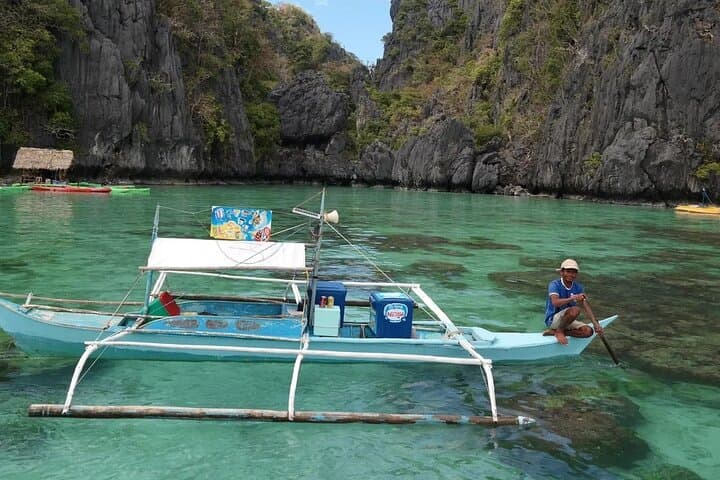
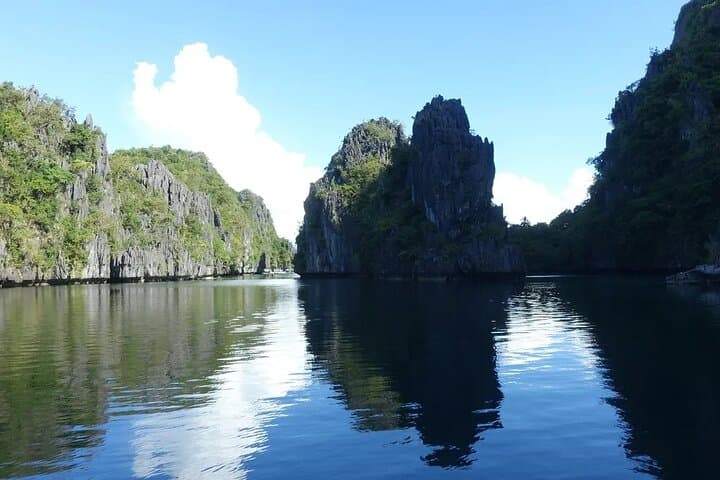
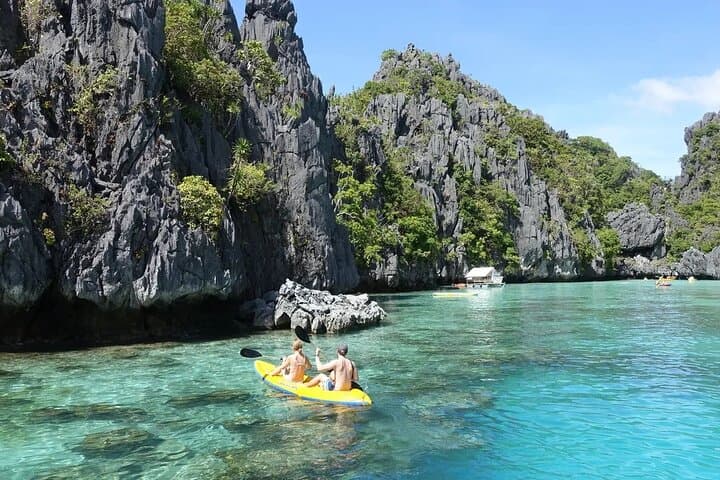
The wooden banca slips away from El Nido Dock at first light, the town’s low roofs shrinking behind you while limestone walls rise like vertical maps of an older ocean. Water turns from turquoise to a green so deep it looks alive; sunlight sketches ripples under a keel. This is Tour A: an eight‑hour loop that threads Big Lagoon, Small Lagoon, Secret Beach, Shimizu Island and Seven Commando Beach—short, intense chapters of Palawan’s most photographed coast.
The wooden banca slips away from El Nido Dock at first light, the town’s low roofs shrinking behind you while limestone walls rise like vertical maps of an older ocean. Water turns from turquoise to a green so deep it looks alive; sunlight sketches ripples under a keel. This is Tour A: an eight‑hour loop that threads Big Lagoon, Small Lagoon, Secret Beach, Shimizu Island and Seven Commando Beach—short, intense chapters of Palawan’s most photographed coast.
Geology writes the itinerary. Those karst towers are ancient coral and limestone, lifted and carved by tectonic nudges and steady rain, then cut into cliffs, caves and narrow passes. Big Lagoon opens like a green cathedral, shallow enough to kayak beneath jutting rock, while the Small Lagoon makes a private room out of sea and stone; Secret Beach is accessible only through a low gap, its sand protected from casual visitors.
Cultural notes arrive in quieter moments: the guide points out fishing nets and small outrigger canoes, the livelihoods that thread through tourism here. Indigenous Tagbanwa communities are part of Palawan’s human landscape; while this route passes primarily public beaches, the larger region holds centuries of local stewardship over reefs and springs.
Practicalities live alongside the scenery. The group meets at Serena Street near the El Nido docking area by 08:00–08:30 and returns to El Nido Beach around 17:00. Entrance fees to Big Lagoon and Small Lagoon (about PHP 200 each) are not included; carry cash. The tour includes a packed lunch served on Shimizu Island and life vests for all. Expect frequent stops—50 minutes or so at several points—and short swims or kayak hops; a moderate level of fitness is recommended.
Timing and tides matter. The Small Lagoon’s low entrance can be tricky at low tide; guides usually plan visits for comfortable access, but mornings and late afternoons offer the best light and calmer water. Snorkeling is good off Shimizu and Seven Commando where coral gardens dip quickly from shore. Bring reef‑safe sunscreen, a water shoe for jagged coral, and a dry bag for phones and wallets. Cash for fees, tips and roadside fruit is indispensable.
By late afternoon the route folds back toward El Nido, the islands shrinking into silhouette. The trip is fast—photogenic vistas every few minutes—but it’s also instructive: a compact tour that shows why Palawan’s coast is both fragile and irresistible. Leave no trace, support local crews with fair tips, and you’ll come away with more than photos—an easy primer on why these lagoons demand both admiration and care.