THE ADVENTURE COLLECTIVE® · Independent discovery and booking for outdoor travel

Beat the parking scramble and arrive at Moraine Lake and Lake Louise when the light and water are at their best. This early-morning shuttle drops you at both iconic shores for glassy reflections, short walks, and fewer crowds.
Beat the parking scramble and arrive at Moraine Lake and Lake Louise when the light and water are at their best. This early-morning shuttle drops you at both iconic shores for glassy reflections, short walks, and fewer crowds.
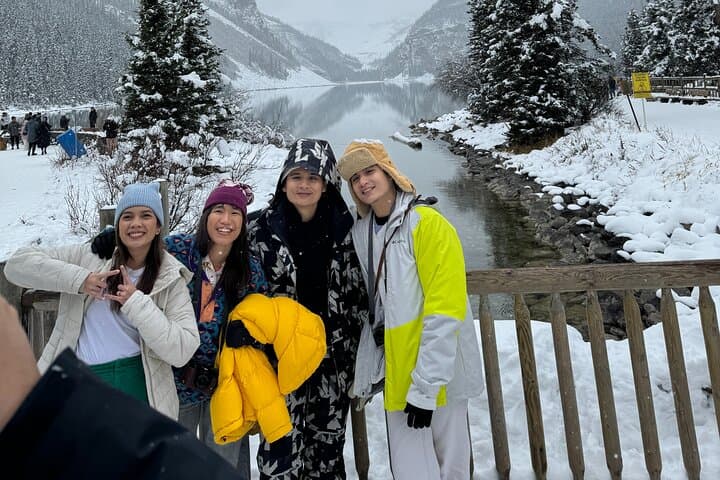
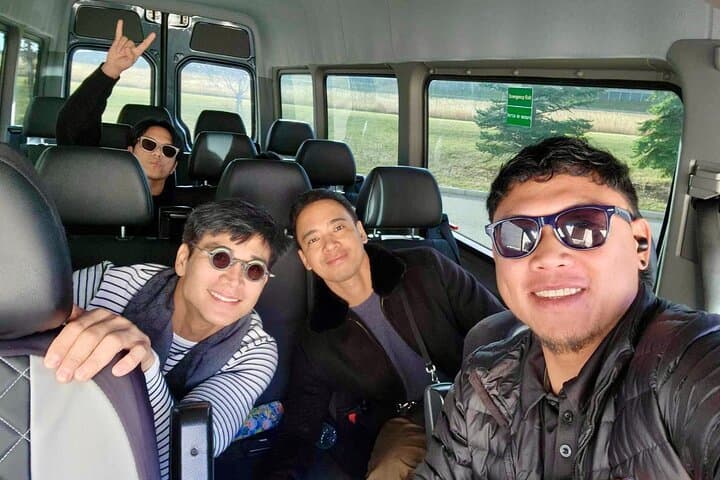
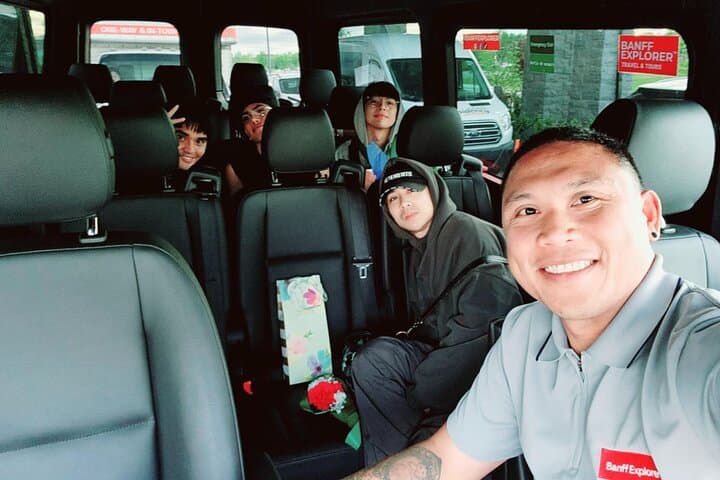
There is a particular quiet to the Bow Valley before sunrise: engines hum softly at the Mount Royal Hotel parking lot, breath fogs in the air, and the shuttle eases away toward high basins where glaciers have long shaped the water. By the time the bus rounds the bend toward Lake Louise, the mountains are waking with a cool blue light; by Moraine Lake the water looks like someone has polished a jewel and left it to reflect the Valley of the Ten Peaks.
Verified experiences and guided adventures in the surrounding area.
Operated by 1A Scenic Route Tour by Banff Explorer · Banff, Alberta
There is a particular quiet to the Bow Valley before sunrise: engines hum softly at the Mount Royal Hotel parking lot, breath fogs in the air, and the shuttle eases away toward high basins where glaciers have long shaped the water. By the time the bus rounds the bend toward Lake Louise, the mountains are waking with a cool blue light; by Moraine Lake the water looks like someone has polished a jewel and left it to reflect the Valley of the Ten Peaks.
This half-day shuttle is built around timing — early departures that put you on the shorelines before midday crowds and before full bus loads clog the small parking areas. The two lakes are geological cousins: both carved by Pleistocene ice, their turquoise colors the result of rock flour suspended in meltwater, scattering short-wavelength light. Lake Louise sits under Victoria Glacier and long-standing tourism infrastructure dating to the late 19th century; Moraine Lake feels more intimate, its access historically limited by seasonal road openings and, until recent decades, by fewer visitors.
Culturally, the Lakes sit on Treaty 7 territory, land of the Stoney Nakoda, Siksika, and other Indigenous peoples. The names — and the stewardship of these waters — reflect layered histories: early explorers and rail-era hoteliers built the lodges that framed tourism, while contemporary efforts focus on keeping access equitable and the places protected.
Practically, the shuttle removes the parking headache that defines many summers in Banff National Park. Instead of circling for a lot, travelers step off the bus and into short shoreline walks, vantage points, and easy photo loops. Expect gentle, mostly flat walking at Lake Louise’s shore; Moraine Lake’s main viewpoint requires a short climb of stone steps and switchbacks to gain the classic overlook.
Timing matters: arrive early and you’ll have glassy water and clearer light. Midday brings buses, scooters, and family groups; afternoon wind can roughen the surface and wash out reflections. This service is wheelchair- and stroller-friendly, but bring layers — mornings in the high Rockies can be crisp even in summer. Hydrate, wear grippy footwear for damp boardwalks, and carry a small daypack for a sweater, camera, and snacks.
If you want longer hiking, the shuttle is a launchpad: the Lake Agnes Tea House trail at Lake Louise and the Rockpile-to-Larch Valley at Moraine Lake are nearby options. For photographers, the payoff is straightforward — quiet lakes, alpine backdrops, and early light that separates shadow and color.
In sum: this is an efficient, low-stress way to experience two of Banff’s signature lakes when they’re most photogenic — especially useful for travelers short on time or patience for parking wars.
easy.
5–6 hours.
Suitable for most fitness levels—short shoreline walks and a modest viewpoint climb at Moraine Lake; no long hikes required.
Yes — Banff National Park requires a park pass for visitors; some shuttle operators include it, but confirm in advance and purchase one if not provided.
The shuttle and many shore areas are wheelchair- and stroller-accessible, but some viewpoints (like Moraine Lake rockpile) have steps and uneven surfaces.
There are no separate admission fees for the lakes; the tour typically includes round-trip transportation only.
Moraine Lake access is seasonal and may be closed due to snow; operators will cancel or re-route when necessary — check cancellation policy and weather updates.
Typical itineraries allot roughly 60–90 minutes at each lake for shoreline walks and photos, depending on traffic and conditions.
Yes — families commonly use the shuttle; infants can sit on laps and infant seats may be available—check operator details when booking.
The area saw early tourism grow with the Canadian Pacific Railway in the late 1800s; lodges and trails were developed to showcase glacial lakes to visitors from overseas.
Park authorities limit vehicle access and promote shuttle use to reduce congestion and protect fragile alpine habitat; stick to boardwalks and avoid trampling shorelines.
1A Scenic Route Tour by Banff Explorer operates guided outdoor trips and adventures with an emphasis on safety, stewardship, and memorable experiences.

There is a particular quiet to the Bow Valley before sunrise: engines hum softly at the Mount Royal Hotel parking lot, breath fogs in the air, and the shuttle eases away toward high basins where glaciers have long shaped the water. By the time the bus rounds the bend toward Lake Louise, the mountains are waking with a cool blue light; by Moraine Lake the water looks like someone has polished a jewel and left it to reflect the Valley of the Ten Peaks.
There is a particular quiet to the Bow Valley before sunrise: engines hum softly at the Mount Royal Hotel parking lot, breath fogs in the air, and the shuttle eases away toward high basins where glaciers have long shaped the water. By the time the bus rounds the bend toward Lake Louise, the mountains are waking with a cool blue light; by Moraine Lake the water looks like someone has polished a jewel and left it to reflect the Valley of the Ten Peaks.
This half-day shuttle is built around timing — early departures that put you on the shorelines before midday crowds and before full bus loads clog the small parking areas. The two lakes are geological cousins: both carved by Pleistocene ice, their turquoise colors the result of rock flour suspended in meltwater, scattering short-wavelength light. Lake Louise sits under Victoria Glacier and long-standing tourism infrastructure dating to the late 19th century; Moraine Lake feels more intimate, its access historically limited by seasonal road openings and, until recent decades, by fewer visitors.
Culturally, the Lakes sit on Treaty 7 territory, land of the Stoney Nakoda, Siksika, and other Indigenous peoples. The names — and the stewardship of these waters — reflect layered histories: early explorers and rail-era hoteliers built the lodges that framed tourism, while contemporary efforts focus on keeping access equitable and the places protected.
Practically, the shuttle removes the parking headache that defines many summers in Banff National Park. Instead of circling for a lot, travelers step off the bus and into short shoreline walks, vantage points, and easy photo loops. Expect gentle, mostly flat walking at Lake Louise’s shore; Moraine Lake’s main viewpoint requires a short climb of stone steps and switchbacks to gain the classic overlook.
Timing matters: arrive early and you’ll have glassy water and clearer light. Midday brings buses, scooters, and family groups; afternoon wind can roughen the surface and wash out reflections. This service is wheelchair- and stroller-friendly, but bring layers — mornings in the high Rockies can be crisp even in summer. Hydrate, wear grippy footwear for damp boardwalks, and carry a small daypack for a sweater, camera, and snacks.
If you want longer hiking, the shuttle is a launchpad: the Lake Agnes Tea House trail at Lake Louise and the Rockpile-to-Larch Valley at Moraine Lake are nearby options. For photographers, the payoff is straightforward — quiet lakes, alpine backdrops, and early light that separates shadow and color.
In sum: this is an efficient, low-stress way to experience two of Banff’s signature lakes when they’re most photogenic — especially useful for travelers short on time or patience for parking wars.