THE ADVENTURE COLLECTIVE® · Independent discovery and booking for outdoor travel

Ride quiet e-bikes through Hell’s Gate’s cliffs, walk the narrow gorges, then float past hippos on Lake Naivasha. This full-day trip from Nairobi combines easy electric biking with geology, birdlife and practical local insights.
Ride quiet e-bikes through Hell’s Gate’s cliffs, walk the narrow gorges, then float past hippos on Lake Naivasha. This full-day trip from Nairobi combines easy electric biking with geology, birdlife and practical local insights.
By 7 a.m. the road out of Nairobi slides into a thinner light; the air cools and the escarpment of the Great Rift Valley appears like a long bruise along the horizon. You stop at the viewpoint, stretch a leg, then continue toward Hell's Gate where the e-bikes are already lined up—sleek, silent and charged—waiting to turn pedaling into a gentle, wind-assisted glide.
Verified experiences and guided adventures in the surrounding area.
Operated by African Beast tours and safaris · Naivasha, Nakuru County
By 7 a.m. the road out of Nairobi slides into a thinner light; the air cools and the escarpment of the Great Rift Valley appears like a long bruise along the horizon. You stop at the viewpoint, stretch a leg, then continue toward Hell's Gate where the e-bikes are already lined up—sleek, silent and charged—waiting to turn pedaling into a gentle, wind-assisted glide.
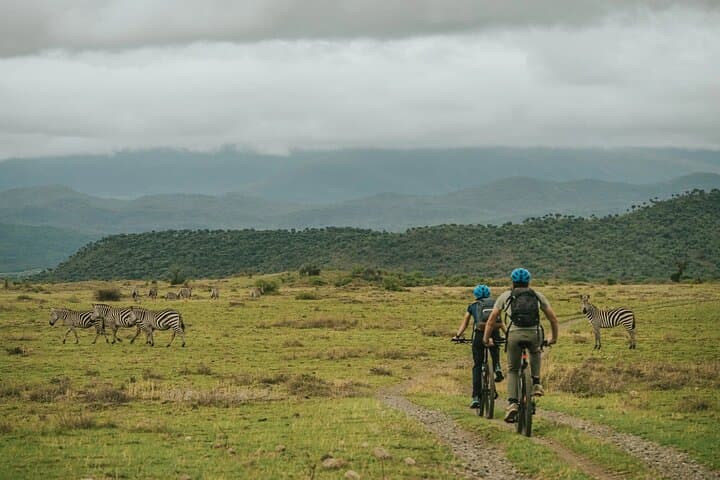
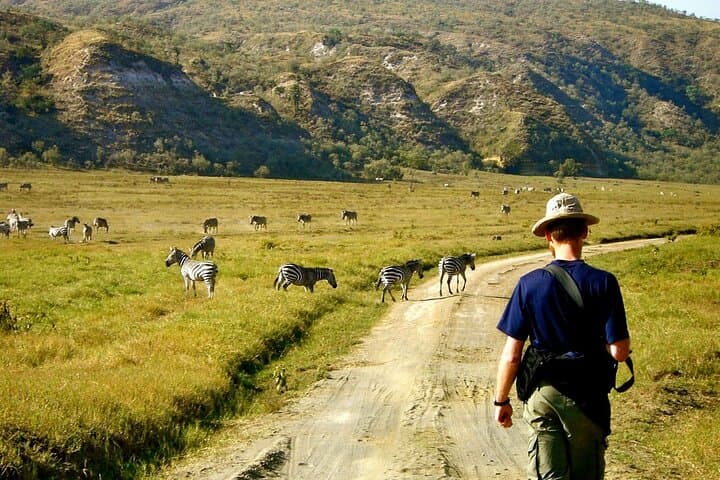
The trail through Hell's Gate is direct and unpretentious. The two-hour loop covers roughly 12–15 km on compacted dirt and short gravel tracks with a cumulative elevation gain near 150 m. Cliffs rise on either side—columns of red volcanic rock that the valley carved out over millions of years—while open savanna pushes at the route edges. The e-bike's motor gives you an extra gear when the grade tightens and lets you look up more than down: birds dart from acacia to lava boulder, steenbok pause and evaluate your passage.
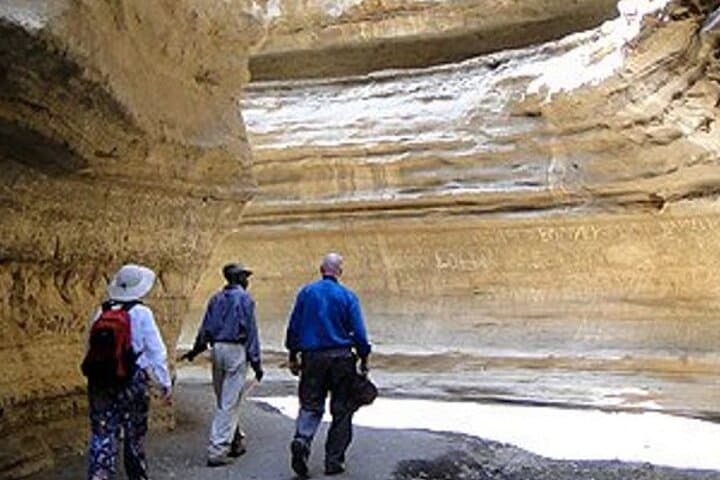
After cycling, the gorges narrow. Walking beneath basalt walls, you pass places where wind and water conspired to cut thin clefts and form small caves. Guides point out geothermal vents and the layered volcanic deposits that map the Rift’s restless past. The national park, created in the 1960s, is one of the few where you can share space with grazing herds—though predators are rare here—and where the plains still feel like a page from early East African exploration accounts.
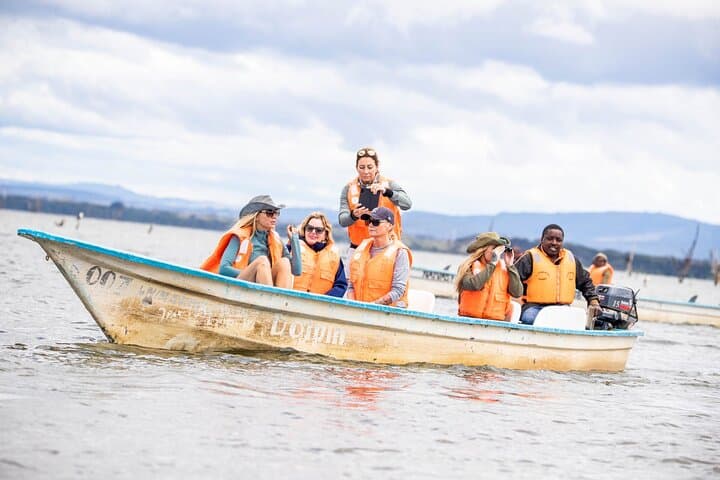
By early afternoon the tour shifts from land to water. A short drive brings you to Naivasha’s marina for lunch, and then a one-hour boat ride across the placid lake. Hippos huff and submerge like sleeping logs disturbed; aquatic birds—African fish eagles, cormorants, and elegant kingfishers—use the breeze like an invitation. Your captain points out nesting islands and explains local conservation efforts, including community-run flower farms and water-use pressures that shape both livelihoods and ecology.
Practicalities are straightforward: the full day runs 8–10 hours with hotel pickup in Nairobi, and the pace is designed for mixed fitness levels. Wear sturdy, closed-toe shoes for the bike and gorge walk, bring layered sun protection and at least 2 liters of water. Respect the animals—hippos are territorial and the guides enforce distance—and plan this trip early in your Kenya itinerary to get a clear sense of the Rift’s geology, local culture, and the quiet drama of open plains meeting sheer rock.
This combination of electric biking, short hikes through narrow gorges, and a gentle boat ride gives you two very different ways to meet the landscape: under your own feet and from water that pushes you toward a slower perspective.
moderate.
8–10 hours.
Suitable for most fitness levels; expect 2 hours of cycling and up to 3 hours of walking/boating during the day
Expect about 1.5–2 hours each way depending on traffic; pickup from many Nairobi hotels is available.
No—e-bikes assist pedaling and guides brief riders; prior experience is helpful but not required.
Yes—common sightings include zebra, giraffe, antelope and a variety of birds; close encounters with large predators are uncommon.
Yes—boat captains are experienced and keep a safe distance; hippos can be territorial so follow instructions.
The tour listing indicates entrance fees are included; confirm at booking for any changes.
Yes—infant seats are available and the operator notes the activity suits mixed fitness levels; check age limits when booking.
Hell's Gate sits in the central Rift Valley formed by millions of years of tectonic activity; the park preserves volcanic cliffs and geothermal features important to local communities.
Lake Naivasha faces water-use pressure from agriculture and tourism; choose operators who support local conservation and responsible boating practices.
African Beast tours and safaris operates guided outdoor trips and adventures with an emphasis on safety, stewardship, and memorable experiences.
By 7 a.m. the road out of Nairobi slides into a thinner light; the air cools and the escarpment of the Great Rift Valley appears like a long bruise along the horizon. You stop at the viewpoint, stretch a leg, then continue toward Hell's Gate where the e-bikes are already lined up—sleek, silent and charged—waiting to turn pedaling into a gentle, wind-assisted glide.
By 7 a.m. the road out of Nairobi slides into a thinner light; the air cools and the escarpment of the Great Rift Valley appears like a long bruise along the horizon. You stop at the viewpoint, stretch a leg, then continue toward Hell's Gate where the e-bikes are already lined up—sleek, silent and charged—waiting to turn pedaling into a gentle, wind-assisted glide.
The trail through Hell's Gate is direct and unpretentious. The two-hour loop covers roughly 12–15 km on compacted dirt and short gravel tracks with a cumulative elevation gain near 150 m. Cliffs rise on either side—columns of red volcanic rock that the valley carved out over millions of years—while open savanna pushes at the route edges. The e-bike's motor gives you an extra gear when the grade tightens and lets you look up more than down: birds dart from acacia to lava boulder, steenbok pause and evaluate your passage.
After cycling, the gorges narrow. Walking beneath basalt walls, you pass places where wind and water conspired to cut thin clefts and form small caves. Guides point out geothermal vents and the layered volcanic deposits that map the Rift’s restless past. The national park, created in the 1960s, is one of the few where you can share space with grazing herds—though predators are rare here—and where the plains still feel like a page from early East African exploration accounts.
By early afternoon the tour shifts from land to water. A short drive brings you to Naivasha’s marina for lunch, and then a one-hour boat ride across the placid lake. Hippos huff and submerge like sleeping logs disturbed; aquatic birds—African fish eagles, cormorants, and elegant kingfishers—use the breeze like an invitation. Your captain points out nesting islands and explains local conservation efforts, including community-run flower farms and water-use pressures that shape both livelihoods and ecology.
Practicalities are straightforward: the full day runs 8–10 hours with hotel pickup in Nairobi, and the pace is designed for mixed fitness levels. Wear sturdy, closed-toe shoes for the bike and gorge walk, bring layered sun protection and at least 2 liters of water. Respect the animals—hippos are territorial and the guides enforce distance—and plan this trip early in your Kenya itinerary to get a clear sense of the Rift’s geology, local culture, and the quiet drama of open plains meeting sheer rock.
This combination of electric biking, short hikes through narrow gorges, and a gentle boat ride gives you two very different ways to meet the landscape: under your own feet and from water that pushes you toward a slower perspective.