THE ADVENTURE COLLECTIVE® · Independent discovery and booking for outdoor travel

Drink your way through the French Quarter’s most storied alleys with a guide who mixes local history, ghost lore and bar stops. This two‑hour walking tour pairs colorful narrations with an EMF meter and stops at ten iconic locations — ideal for history lovers and curious night walkers.
Drink your way through the French Quarter’s most storied alleys with a guide who mixes local history, ghost lore and bar stops. This two‑hour walking tour pairs colorful narrations with an EMF meter and stops at ten iconic locations — ideal for history lovers and curious night walkers.
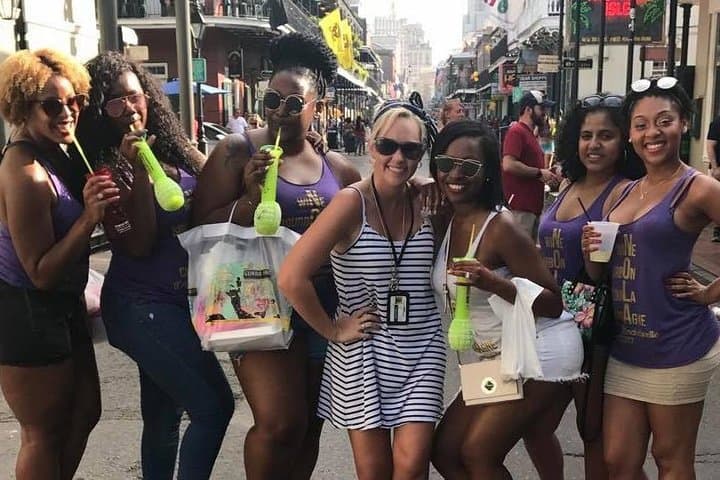
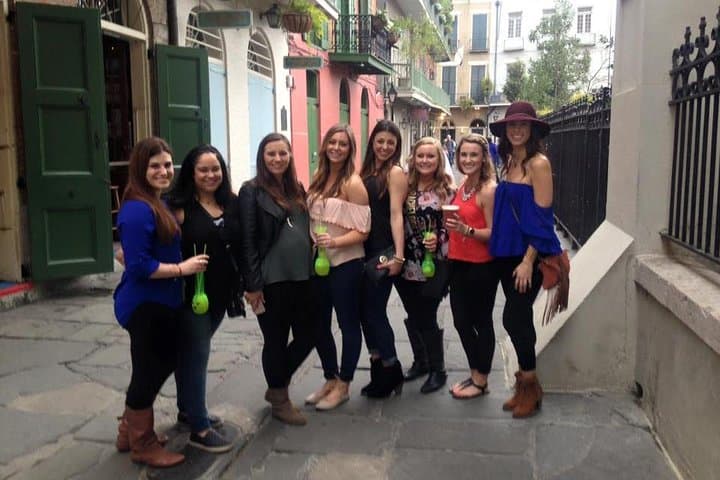
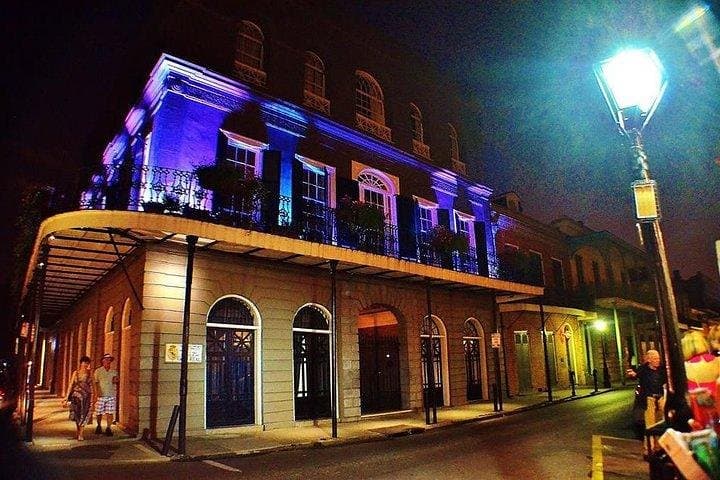
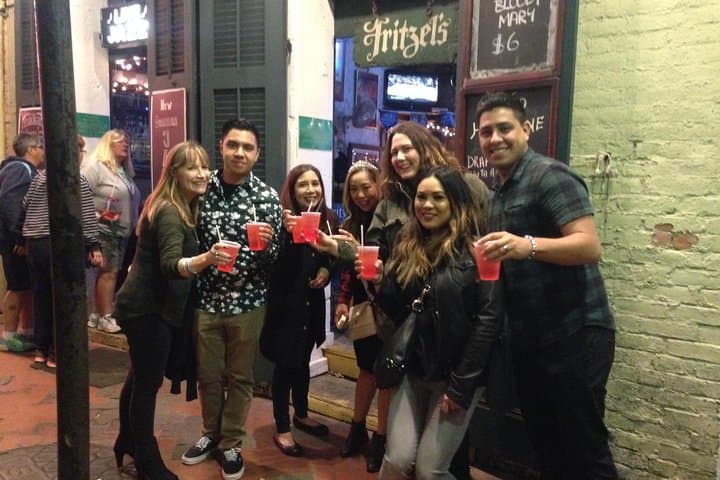
The gate at Lafitte's Blacksmith Shop opens like a mouth into another century: warm lamplight spills across cracked brick, a saxophone sighs somewhere down Bourbon, and laughter mixes with the scent of old oak and spilled absinthe. On this two‑hour walking tour, a local guide nudges the group forward through alleys where the city’s darker stories still seem to linger — whispered tales of piracy, voodoo, murder and mistaken myth — all delivered with a wink and a glass in hand.
Verified experiences and guided adventures in the surrounding area.
Operated by New Orleans Drunk History Tours • Show Me New Orleans Tours · New Orleans, Louisiana
The gate at Lafitte's Blacksmith Shop opens like a mouth into another century: warm lamplight spills across cracked brick, a saxophone sighs somewhere down Bourbon, and laughter mixes with the scent of old oak and spilled absinthe. On this two‑hour walking tour, a local guide nudges the group forward through alleys where the city’s darker stories still seem to linger — whispered tales of piracy, voodoo, murder and mistaken myth — all delivered with a wink and a glass in hand.
The French Quarter is one of America’s oldest urban cores, its narrow streets and courtyard houses a legacy of French, Spanish and Creole hands shaping architecture and custom. Lafitte’s itself occupies an 18th‑century lot long associated with the smuggler Jean Lafitte and the neighborhoods that fed New Orleans' vivid folklore: voodoo priestesses, Civil War ghosts and the rowdy characters who made Bourbon Street famous. The tour threads cultural history with local humor, stopping at ten curated sites and a handful of bars, and even bringing out a real EMF meter to investigate reported paranormal hotspots — more theater and archaeology of rumor than a guarantee of apparitions.
Walking these streets reveals the city’s layered geology only implicitly: elevated sidewalks, old brick paving and drainage channels that hint at centuries of struggle against the river and the subsidence that defines New Orleans. Equally apparent is the living city — second‑line brass, late‑night bartenders, residents who watch the parade of tourists with tolerant amusement. The operator emphasizes responsible behavior: respect residents, follow the guide’s pace, and plan a back‑up should minimum numbers cancel a scheduled run.
Practicalities matter. Wear sturdy shoes for uneven, often damp flagstones; bring ID and cash for bar tabs; expect a moderate walking pace that accommodates stops and occasional waits inside busy venues. The tour is wheelchair and stroller accessible in many areas, but the route remains on public streets that can become crowded and noisy. Photography is encouraged, but video recording of narrated segments is not allowed.
For those who want a compact, spirited primer on New Orleans' darker corners — with history, humor, and an adult beverage between facts — this tour delivers. It’s best for visitors curious about how myth and history tangle here and for anyone ready to let the city’s stories move from page to pavement. Come prepared, keep your wits (and your tolerance for barroom bustle), and let the French Quarter do what it does best: reveal a little more of itself as you walk.
moderate.
1–2 hours.
Able to stand and walk for up to two hours on uneven, sometimes crowded sidewalks; minimal mobility issues can be accommodated but contact operator if unsure.
No — drinks are available for purchase at bar stops; bring ID and cash or card for purchases.
Children under 18 must be accompanied by an adult; note that not all bar stops permit minors inside.
Many areas along the route are wheelchair accessible, but street conditions and crowds can affect mobility; contact the operator to discuss specific needs.
No guarantees — the tour is for entertainment and history; the EMF meter is used to demonstrate paranormal investigation techniques, not to create supernatural events.
Audio or video recordings of narrations are not allowed; photography of sites is permitted and encouraged.
Full refunds are available if you cancel at least 24 hours before departure; tours may be canceled for insufficient numbers or severe weather and will be rescheduled or refunded per policy.
The French Quarter dates to the 18th century; buildings like Lafitte's occupy plots where colonial, pirate and Creole lives intersected to forge the city's culture.
Respect neighborhood residents and private property, minimize single‑use plastics on the walk, and support local businesses rather than littering public spaces.
New Orleans Drunk History Tours • Show Me New Orleans Tours operates guided outdoor trips and adventures with an emphasis on safety, stewardship, and memorable experiences.
The gate at Lafitte's Blacksmith Shop opens like a mouth into another century: warm lamplight spills across cracked brick, a saxophone sighs somewhere down Bourbon, and laughter mixes with the scent of old oak and spilled absinthe. On this two‑hour walking tour, a local guide nudges the group forward through alleys where the city’s darker stories still seem to linger — whispered tales of piracy, voodoo, murder and mistaken myth — all delivered with a wink and a glass in hand.
The gate at Lafitte's Blacksmith Shop opens like a mouth into another century: warm lamplight spills across cracked brick, a saxophone sighs somewhere down Bourbon, and laughter mixes with the scent of old oak and spilled absinthe. On this two‑hour walking tour, a local guide nudges the group forward through alleys where the city’s darker stories still seem to linger — whispered tales of piracy, voodoo, murder and mistaken myth — all delivered with a wink and a glass in hand.
The French Quarter is one of America’s oldest urban cores, its narrow streets and courtyard houses a legacy of French, Spanish and Creole hands shaping architecture and custom. Lafitte’s itself occupies an 18th‑century lot long associated with the smuggler Jean Lafitte and the neighborhoods that fed New Orleans' vivid folklore: voodoo priestesses, Civil War ghosts and the rowdy characters who made Bourbon Street famous. The tour threads cultural history with local humor, stopping at ten curated sites and a handful of bars, and even bringing out a real EMF meter to investigate reported paranormal hotspots — more theater and archaeology of rumor than a guarantee of apparitions.
Walking these streets reveals the city’s layered geology only implicitly: elevated sidewalks, old brick paving and drainage channels that hint at centuries of struggle against the river and the subsidence that defines New Orleans. Equally apparent is the living city — second‑line brass, late‑night bartenders, residents who watch the parade of tourists with tolerant amusement. The operator emphasizes responsible behavior: respect residents, follow the guide’s pace, and plan a back‑up should minimum numbers cancel a scheduled run.
Practicalities matter. Wear sturdy shoes for uneven, often damp flagstones; bring ID and cash for bar tabs; expect a moderate walking pace that accommodates stops and occasional waits inside busy venues. The tour is wheelchair and stroller accessible in many areas, but the route remains on public streets that can become crowded and noisy. Photography is encouraged, but video recording of narrated segments is not allowed.
For those who want a compact, spirited primer on New Orleans' darker corners — with history, humor, and an adult beverage between facts — this tour delivers. It’s best for visitors curious about how myth and history tangle here and for anyone ready to let the city’s stories move from page to pavement. Come prepared, keep your wits (and your tolerance for barroom bustle), and let the French Quarter do what it does best: reveal a little more of itself as you walk.