THE ADVENTURE COLLECTIVE® · Independent discovery and booking for outdoor travel

Explore Downtown Pittsburgh on a three-hour walking tour that pairs six classic local tastings with stories of rivers, industry, and immigrant kitchens. This Secret Food Tour delivers comfort-food heritage and modern twists across Market Square and the Point.
Explore Downtown Pittsburgh on a three-hour walking tour that pairs six classic local tastings with stories of rivers, industry, and immigrant kitchens. This Secret Food Tour delivers comfort-food heritage and modern twists across Market Square and the Point.
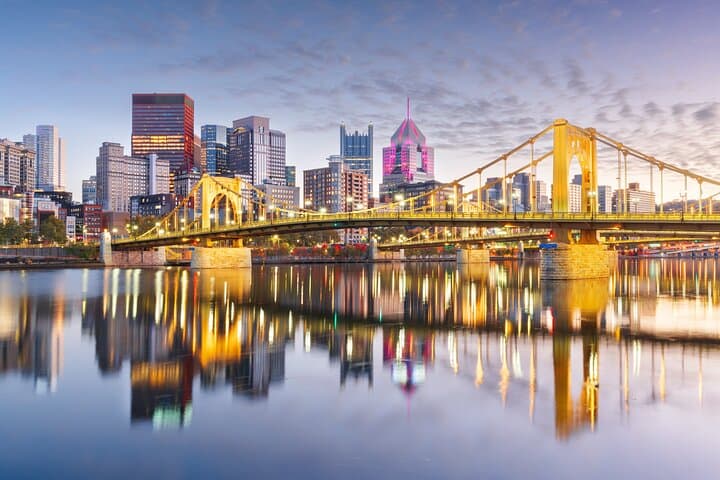
The city breathes differently at the confluence. Walk down to Point State Park and the air carries a mix of river chill and the smell of fresh-baked bread from a corner bakery; downtown Pittsburgh is equal parts industrial grit and hungry curiosity. On the Secret Food Tour, a small group threads between glass towers and brick storefronts, guided by someone who knows the neighborhood’s back alleys and backroom recipes as well as its history.
Verified experiences and guided adventures in the surrounding area.
Operated by Secret Food Tours · Pittsburgh, Pennsylvania
The city breathes differently at the confluence. Walk down to Point State Park and the air carries a mix of river chill and the smell of fresh-baked bread from a corner bakery; downtown Pittsburgh is equal parts industrial grit and hungry curiosity. On the Secret Food Tour, a small group threads between glass towers and brick storefronts, guided by someone who knows the neighborhood’s back alleys and backroom recipes as well as its history.
The tour moves at a steady urban pace—three hours of strolling, stopping, and tasting. It starts at the Fort Pitt Blockhouse, the oldest structure in Western Pennsylvania, where the Allegheny and Monongahela dare each other into becoming the Ohio. That watershed shaped the city's fortunes: an 18th-century strategic point, later the artery for steel and coal that forged Pittsburgh’s working-class identity.
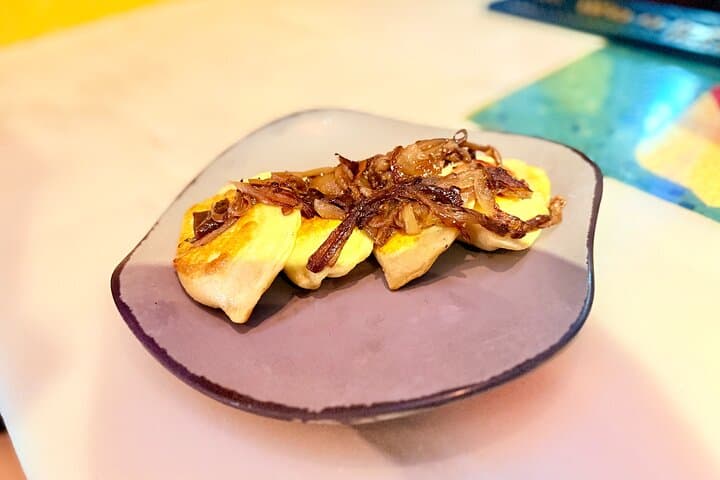
Beyond the rivers, the city’s geology is quiet but present—glacial deposits and river-carved bluffs that funneled commerce and defined neighborhoods. Immigrant kitchens transformed those neighborhoods into culinary ecosystems: Italian meatballs that marry Old World techniques with local beef, coal-oven pepperoni rolls that once fed miners, and the pierogi that speak to Eastern European influence. Each bite on this tour is a capsule of migration, industry, and late-night cravings.
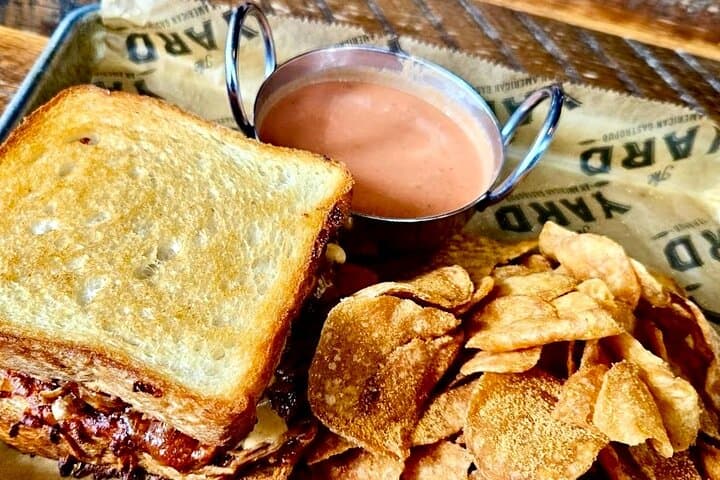
Guides weave anecdotes—how Market Square grew from the town’s first courthouse and newspaper into a civic living room, or how a mid-century sandwich became an unofficial emblem of Pittsburgh comfort food. They also point out architectural moments: an Art Deco tower here, a refurbished manufacturing loft there—reminders that the city reinvents itself while keeping its flavors intact.
Practically, the tour is designed for walkers and curious eaters. Expect roughly two miles of easy pavement with frequent stops—cafés, delis, and a dessert counter that ends the route at The MilkShake Factory. Portions are tasting-sized but hearty enough to replace a light meal. The operator asks about dietary restrictions in advance; guides carry local knowledge and an orange umbrella for easy identification.
Plan to wear comfortable shoes and a light layer—the downtown microclimate can shift near the rivers. Bring a small bottle of water for the walks between tastings, and a phone with space for photos: the view at the Point and the market facades make good frames for your meal shots. Tipping is customary for excellent guiding and should be considered part of the local economy supporting small businesses on the route.
For travelers who want more than a meal, this is a brief, flavorful education in Pittsburgh’s cultural evolution—one savory bite at a time.
easy.
3 hours.
Suitable for most fitness levels; requires standing and walking up to two miles with frequent food stops.
Meet in front of the Fort Pitt Blockhouse in Point State Park at 601 Commonwealth Pl; the guide will have an orange umbrella for identification.
Yes—contact the operator in advance so they can adapt destinations or provide alternatives where possible.
The operator notes they are unable to accommodate guests requiring special assistance or wheelchairs due to the walking route and some venues' layouts.
Alcohol is not guaranteed as part of the included tastings; the legal drinking age is 21 and some stops may offer optional purchases.
Tipping for excellent service is customary; 10–20% of the tour cost or a cash tip to the guide is appreciated by local staff.
For a full refund, cancel at least 24 hours before the scheduled departure time; the tour may be canceled for bad weather or insufficient travelers.
Downtown Pittsburgh grew around the confluence of the Allegheny and Monongahela rivers; Fort Pitt and Fort Duquesne anchored military and trade activity that later fueled the steel era.
Many small eateries prioritize local sourcing and composting; support these businesses to reduce food miles and waste, and bring a reusable cup or bottle when possible.
Secret Food Tours operates guided outdoor trips and adventures with an emphasis on safety, stewardship, and memorable experiences.
The city breathes differently at the confluence. Walk down to Point State Park and the air carries a mix of river chill and the smell of fresh-baked bread from a corner bakery; downtown Pittsburgh is equal parts industrial grit and hungry curiosity. On the Secret Food Tour, a small group threads between glass towers and brick storefronts, guided by someone who knows the neighborhood’s back alleys and backroom recipes as well as its history.
The city breathes differently at the confluence. Walk down to Point State Park and the air carries a mix of river chill and the smell of fresh-baked bread from a corner bakery; downtown Pittsburgh is equal parts industrial grit and hungry curiosity. On the Secret Food Tour, a small group threads between glass towers and brick storefronts, guided by someone who knows the neighborhood’s back alleys and backroom recipes as well as its history.
The tour moves at a steady urban pace—three hours of strolling, stopping, and tasting. It starts at the Fort Pitt Blockhouse, the oldest structure in Western Pennsylvania, where the Allegheny and Monongahela dare each other into becoming the Ohio. That watershed shaped the city's fortunes: an 18th-century strategic point, later the artery for steel and coal that forged Pittsburgh’s working-class identity.
Beyond the rivers, the city’s geology is quiet but present—glacial deposits and river-carved bluffs that funneled commerce and defined neighborhoods. Immigrant kitchens transformed those neighborhoods into culinary ecosystems: Italian meatballs that marry Old World techniques with local beef, coal-oven pepperoni rolls that once fed miners, and the pierogi that speak to Eastern European influence. Each bite on this tour is a capsule of migration, industry, and late-night cravings.
Guides weave anecdotes—how Market Square grew from the town’s first courthouse and newspaper into a civic living room, or how a mid-century sandwich became an unofficial emblem of Pittsburgh comfort food. They also point out architectural moments: an Art Deco tower here, a refurbished manufacturing loft there—reminders that the city reinvents itself while keeping its flavors intact.
Practically, the tour is designed for walkers and curious eaters. Expect roughly two miles of easy pavement with frequent stops—cafés, delis, and a dessert counter that ends the route at The MilkShake Factory. Portions are tasting-sized but hearty enough to replace a light meal. The operator asks about dietary restrictions in advance; guides carry local knowledge and an orange umbrella for easy identification.
Plan to wear comfortable shoes and a light layer—the downtown microclimate can shift near the rivers. Bring a small bottle of water for the walks between tastings, and a phone with space for photos: the view at the Point and the market facades make good frames for your meal shots. Tipping is customary for excellent guiding and should be considered part of the local economy supporting small businesses on the route.
For travelers who want more than a meal, this is a brief, flavorful education in Pittsburgh’s cultural evolution—one savory bite at a time.