THE ADVENTURE COLLECTIVE® · Independent discovery and booking for outdoor travel

Climb into a helicopter at Te Anau and cross the Southern Alps to see Patea (Doubtful Sound) and Tamatea (Dusky Sound) from above—an efficient, elemental way to read Fiordland’s cliffs, islands, and waterways in a single ninety-minute flight.
Climb into a helicopter at Te Anau and cross the Southern Alps to see Patea (Doubtful Sound) and Tamatea (Dusky Sound) from above—an efficient, elemental way to read Fiordland’s cliffs, islands, and waterways in a single ninety-minute flight.
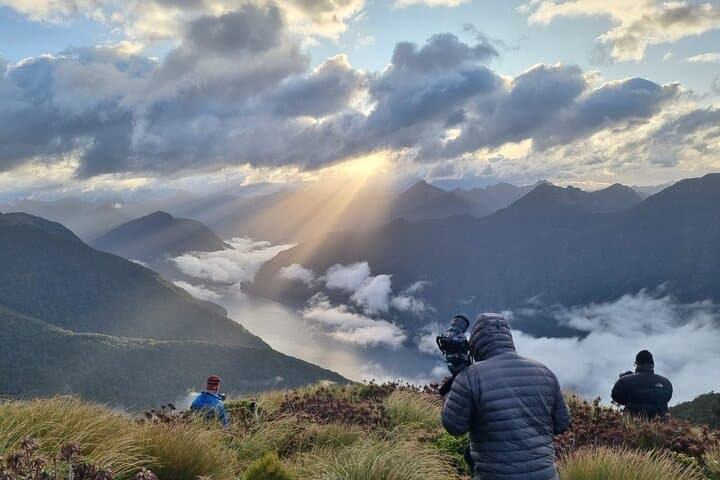
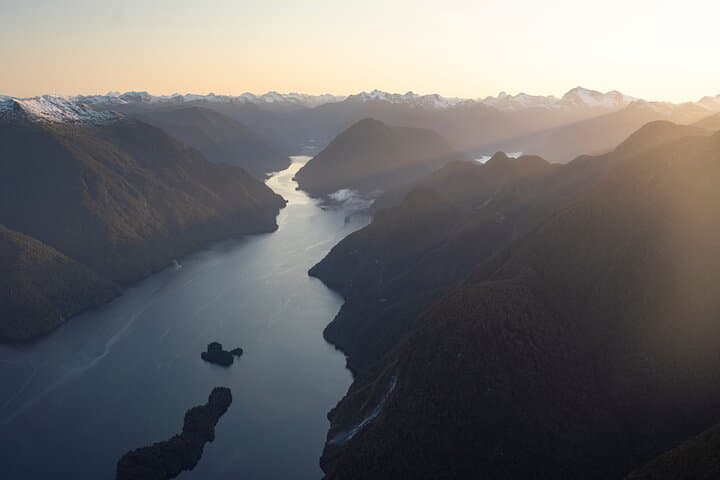
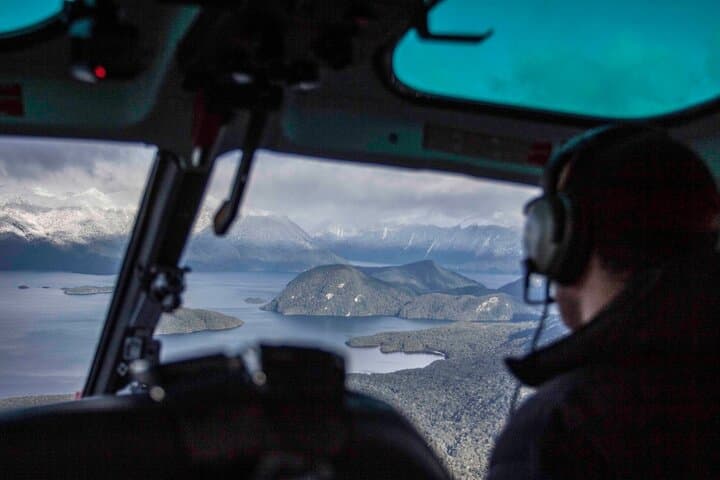
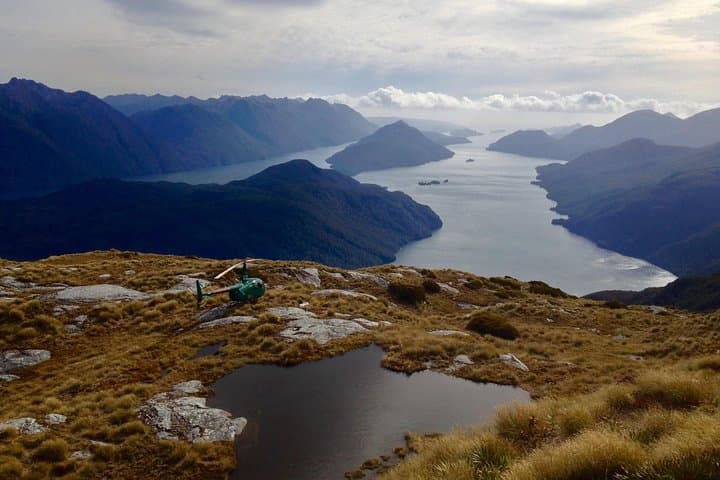
The rotors climb and the ordinary world dissolves: Te Anau’s airfield shrinks to a patchwork of paddocks and silver water, then the Southern Alps rise like an arranged surprise. In ninety minutes the helicopter threads a route few visitors ever see—skimming Lake Manapōuri, crossing the mountain divide, and spilling into two of Fiordland’s deepest veins: Patea (Doubtful Sound) and Tamatea (Dusky Sound). From the window the fiords are not just shapes on a map but moving stories—sheer cliffs that seem to hold their breath, rivers that dare the sea, and island-studded waters that whisper of old voyages.
Verified experiences and guided adventures in the surrounding area.
Operated by Te Anau Helicopter Services · Te Anau, Southland
The rotors climb and the ordinary world dissolves: Te Anau’s airfield shrinks to a patchwork of paddocks and silver water, then the Southern Alps rise like an arranged surprise. In ninety minutes the helicopter threads a route few visitors ever see—skimming Lake Manapōuri, crossing the mountain divide, and spilling into two of Fiordland’s deepest veins: Patea (Doubtful Sound) and Tamatea (Dusky Sound). From the window the fiords are not just shapes on a map but moving stories—sheer cliffs that seem to hold their breath, rivers that dare the sea, and island-studded waters that whisper of old voyages.
Geology here is dramatic and recent in deep time: repeated ice ages gouged the land, leaving U-shaped valleys now flooded by the Tasman Sea. Dusky Sound’s complex coastline—some 40 km long and studded with islands—was sketched on Cook’s charts in 1773, its name reflecting the gloom the crew recorded in early morning light. Māori history threads the same places; names like Tamatea and Patea point to ancestral navigation and resource use, and the region remains important to local iwi.
From the air, human marks are minimal. You’ll see the hydro-layout of Manapōuri, pastoral farm edges, and the occasional trampers’ hut, but most of the view is raw country: waterfalls snaring sun, cloud banks pinballing off peaks, and rainforest pressing to the waterline. Wildlife can be subtle—seabirds circling islands, occasional seals hauled out on rocks, and the slow, deliberate motion of kelp beds visible in clear shallows.
Practicalities matter. Flights depart from Te Anau Helicopters at Te Anau Airport; reconfirmation by phone is required on arrival because Fiordland weather changes fast. The tour runs about 90 minutes door-to-door, with roughly an hour of scenic flight time. Weight limits, minimum passenger numbers, and weather can alter plans; the operator provides headsets for live commentary and accommodates most mobility needs.
For travelers: dress warmly in layers—wind through a helicopter is a different thermostat—and bring a camera with a fast shutter and a polarizer to cut glare on the water. If you’re prone to motion sickness, take precautions before arrival; the best views often come when the pilot banks to follow a coastline or when sunlight hits a waterfall.
This flight is an efficient way to comprehend Fiordland’s scale—its cliffs, sounds, and the inland lakes that feed them—without the time commitment of a multi-day waterborne trip. It’s a visceral primer on why this corner of New Zealand reads like an argument between fire, ice, and sea.
Nearby base: Te Anau offers accommodation, cafes, and last-minute gear options; flights typically begin and end at the helicopter hanger with hotel transfers available.
easy.
90 minutes.
Minimal fitness required; must be able to board a helicopter and follow safety briefings.
The full experience is about 90 minutes from the hanger, with roughly 60 minutes of aerial sightseeing over Fiordland.
Meet at Te Anau Helicopters at Te Anau Airport; hotel transfers are typically organized to arrive 30–60 minutes before departure.
Flights are weather-dependent; reconfirmation is required and the operator may reschedule or refund if conditions make flying unsafe.
Infants are allowed but must sit on an adult's lap; children are welcome and the experience is rated suitable for all fitness levels.
The operator lists wheelchair accessibility—contact them ahead of time to discuss specifics and any assistance needed for boarding.
Yes, live commentary is provided via onboard headsets to explain landmarks, history, and natural features as you fly.
Captain James Cook charted Dusky Sound in 1773; many places retain Māori names that reflect ancestral voyaging and resource use.
Fiordland National Park is a UNESCO World Heritage Site; visitors are encouraged to follow low-impact practices and respect wildlife and marine habitats seen from the air.
Te Anau Helicopter Services operates guided outdoor trips and adventures with an emphasis on safety, stewardship, and memorable experiences.
The rotors climb and the ordinary world dissolves: Te Anau’s airfield shrinks to a patchwork of paddocks and silver water, then the Southern Alps rise like an arranged surprise. In ninety minutes the helicopter threads a route few visitors ever see—skimming Lake Manapōuri, crossing the mountain divide, and spilling into two of Fiordland’s deepest veins: Patea (Doubtful Sound) and Tamatea (Dusky Sound). From the window the fiords are not just shapes on a map but moving stories—sheer cliffs that seem to hold their breath, rivers that dare the sea, and island-studded waters that whisper of old voyages.
The rotors climb and the ordinary world dissolves: Te Anau’s airfield shrinks to a patchwork of paddocks and silver water, then the Southern Alps rise like an arranged surprise. In ninety minutes the helicopter threads a route few visitors ever see—skimming Lake Manapōuri, crossing the mountain divide, and spilling into two of Fiordland’s deepest veins: Patea (Doubtful Sound) and Tamatea (Dusky Sound). From the window the fiords are not just shapes on a map but moving stories—sheer cliffs that seem to hold their breath, rivers that dare the sea, and island-studded waters that whisper of old voyages.
Geology here is dramatic and recent in deep time: repeated ice ages gouged the land, leaving U-shaped valleys now flooded by the Tasman Sea. Dusky Sound’s complex coastline—some 40 km long and studded with islands—was sketched on Cook’s charts in 1773, its name reflecting the gloom the crew recorded in early morning light. Māori history threads the same places; names like Tamatea and Patea point to ancestral navigation and resource use, and the region remains important to local iwi.
From the air, human marks are minimal. You’ll see the hydro-layout of Manapōuri, pastoral farm edges, and the occasional trampers’ hut, but most of the view is raw country: waterfalls snaring sun, cloud banks pinballing off peaks, and rainforest pressing to the waterline. Wildlife can be subtle—seabirds circling islands, occasional seals hauled out on rocks, and the slow, deliberate motion of kelp beds visible in clear shallows.
Practicalities matter. Flights depart from Te Anau Helicopters at Te Anau Airport; reconfirmation by phone is required on arrival because Fiordland weather changes fast. The tour runs about 90 minutes door-to-door, with roughly an hour of scenic flight time. Weight limits, minimum passenger numbers, and weather can alter plans; the operator provides headsets for live commentary and accommodates most mobility needs.
For travelers: dress warmly in layers—wind through a helicopter is a different thermostat—and bring a camera with a fast shutter and a polarizer to cut glare on the water. If you’re prone to motion sickness, take precautions before arrival; the best views often come when the pilot banks to follow a coastline or when sunlight hits a waterfall.
This flight is an efficient way to comprehend Fiordland’s scale—its cliffs, sounds, and the inland lakes that feed them—without the time commitment of a multi-day waterborne trip. It’s a visceral primer on why this corner of New Zealand reads like an argument between fire, ice, and sea.
Nearby base: Te Anau offers accommodation, cafes, and last-minute gear options; flights typically begin and end at the helicopter hanger with hotel transfers available.