THE ADVENTURE COLLECTIVE® · Independent discovery and booking for outdoor travel

From catamarans off Catalina to the stone streets of Colonial Santo Domingo, this six‑day first‑class tour compresses the Dominican Republic’s best beaches, reefs and history into one packed itinerary. Expect open bars, guided history walks, mangrove cruises and three snorkel days.
From catamarans off Catalina to the stone streets of Colonial Santo Domingo, this six‑day first‑class tour compresses the Dominican Republic’s best beaches, reefs and history into one packed itinerary. Expect open bars, guided history walks, mangrove cruises and three snorkel days.
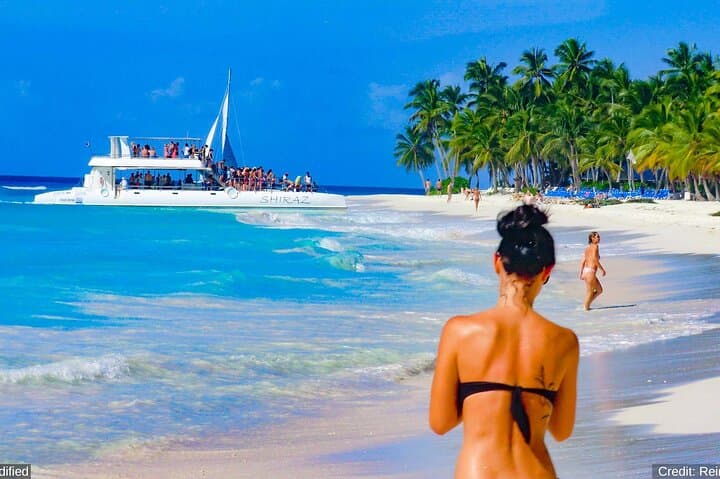
The tour begins with white sand underfoot and a humid breeze that smells faintly of salt and coffee. Guests are collected at Punta Cana airport and driven through a corridor of palms and resort facades toward Bávaro beach, where the first catamaran engines cough to life and the itinerary’s rhythm—sea, reef, colonial stone—reveals itself.
Verified experiences and guided adventures in the surrounding area.
Operated by CharlieTheTraveler · Punta Cana, La Altagracia
The tour begins with white sand underfoot and a humid breeze that smells faintly of salt and coffee. Guests are collected at Punta Cana airport and driven through a corridor of palms and resort facades toward Bávaro beach, where the first catamaran engines cough to life and the itinerary’s rhythm—sea, reef, colonial stone—reveals itself.
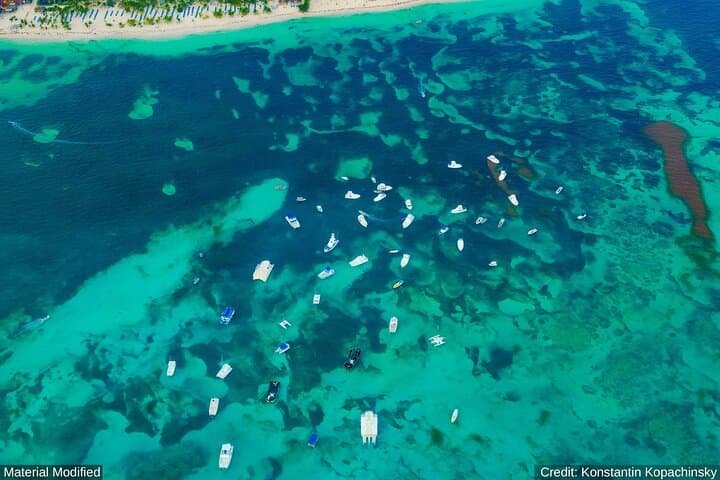
Over six days this first-class loop stitches together coral islands, a UNESCO World Heritage old town, mangrove-carved caverns and cathedral-lined plazas. Catalina and Saona Islands are coral plateaus and sand shelves shaped by millennia of warm Atlantic currents; their reefs are bright with parrotfish and trumpetfish, and shallow lagoons reflect sky the color of aquamarine. Back on land, Altos de Chavón stages a made-in-Italy village above the Río Chavón, while Colonial Santo Domingo holds real 16th-century streets: the Alcázar de Colón and Primada de América remember the island’s role as the Spanish gateway to the Americas.
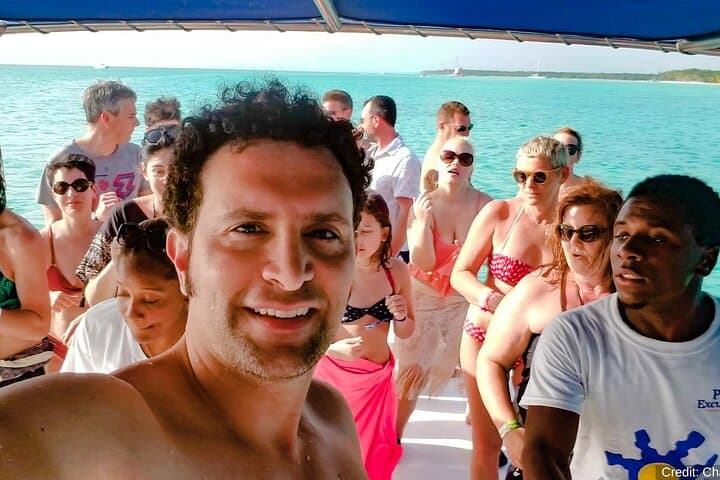
Geology here is straightforward: limestone and coral build the offshore platforms, while karst and eroded cliffs define the interior bays and mangrove islands of Los Haitises. Culturally the tour moves from beach party—open bars, catamarans—to historical study, offering a concentrated view of Dominican society: bachata rhythms, street-side coffee, and fishermen hauling nets alongside tour operators who have worked these routes for decades.
Practical guidance: the itinerary is busy—expect early departures and multiple transfers. Carry a light daypack with swimwear, reef-safe sunscreen, insect repellent and photocopies of travel documents. For snorkeling, bring a fitted mask; on boat days, wear non-slip sandals and a light long-sleeve for sun and spray. The included lunches and three open-bar days mean you’ll rarely be hungry, but pack electrolyte tablets and a reusable water bottle to avoid dehydration in the heat.
Timing matters. Whale season runs January–March in Samaná if you add a side trip; otherwise aim for December–April for dryer seas and calmer snorkeling. Respect protected areas: Los Haitises limits visitors and guides will brief groups on cave etiquette and not touching coral. Tipping and small local purchases support the guides and communities that keep these experiences running.
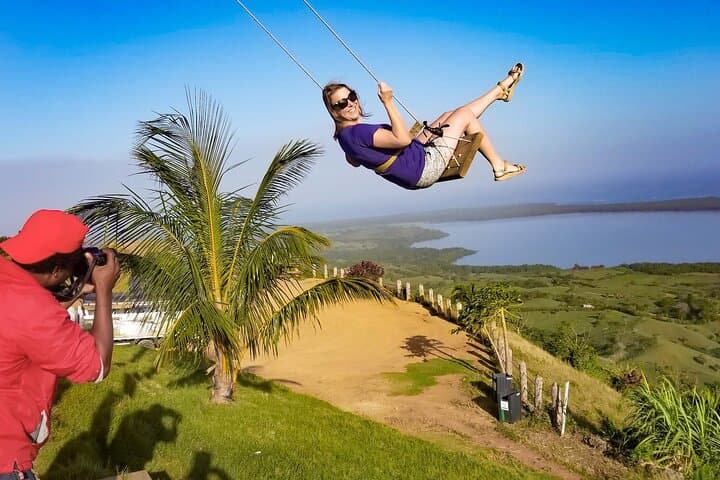
Ultimately, the appeal of the six-day route is contrast: cinematic, camera-ready beaches one day and slow, local rhythms in the Zona Colonial the next. For travelers who want a high‑value, low‑logistics way to see the country’s highlights, the trip compresses the Dominican Republic’s coastal ecology, colonial history and hospitality into a single, practical package.
moderate.
6 days.
Suitable for travelers with moderate fitness—comfortable walking for several hours, short boat transfers, and light hiking or stairs in historic sites.
No, basic swimming comfort is sufficient; most operators provide flotation devices and snorkel instruction for beginners.
Tipping is not usually included; budget for local guide and driver tips—roughly $5–$10 per person per day for guides as a guideline.
The itinerary includes three lunches and one night of lodging; additional meals are typically on your own or included as specified.
Yes—inform the operator at booking; the tour works with local restaurants and can often provide vegetarian or allergy-aware options with notice.
The base is Punta Cana with day excursions to Catalina, Saona, Altos de Chavón and Santo Domingo; Samaná is included only in alternate-day options or private arrangements.
Comfortable walking shoes, a hat, water, and modest attire for entering historic churches and museums.
Santo Domingo was the first permanent European settlement in the Americas and its Zona Colonial preserves early Spanish architecture including the Alcázar de Colón.
Los Haitises and several island reefs are protected; responsible tour practices—no littering, no touching coral—help preserve fragile habitats and the local fishing economy.
CharlieTheTraveler operates guided outdoor trips and adventures with an emphasis on safety, stewardship, and memorable experiences.
The tour begins with white sand underfoot and a humid breeze that smells faintly of salt and coffee. Guests are collected at Punta Cana airport and driven through a corridor of palms and resort facades toward Bávaro beach, where the first catamaran engines cough to life and the itinerary’s rhythm—sea, reef, colonial stone—reveals itself.
The tour begins with white sand underfoot and a humid breeze that smells faintly of salt and coffee. Guests are collected at Punta Cana airport and driven through a corridor of palms and resort facades toward Bávaro beach, where the first catamaran engines cough to life and the itinerary’s rhythm—sea, reef, colonial stone—reveals itself.
Over six days this first-class loop stitches together coral islands, a UNESCO World Heritage old town, mangrove-carved caverns and cathedral-lined plazas. Catalina and Saona Islands are coral plateaus and sand shelves shaped by millennia of warm Atlantic currents; their reefs are bright with parrotfish and trumpetfish, and shallow lagoons reflect sky the color of aquamarine. Back on land, Altos de Chavón stages a made-in-Italy village above the Río Chavón, while Colonial Santo Domingo holds real 16th-century streets: the Alcázar de Colón and Primada de América remember the island’s role as the Spanish gateway to the Americas.
Geology here is straightforward: limestone and coral build the offshore platforms, while karst and eroded cliffs define the interior bays and mangrove islands of Los Haitises. Culturally the tour moves from beach party—open bars, catamarans—to historical study, offering a concentrated view of Dominican society: bachata rhythms, street-side coffee, and fishermen hauling nets alongside tour operators who have worked these routes for decades.
Practical guidance: the itinerary is busy—expect early departures and multiple transfers. Carry a light daypack with swimwear, reef-safe sunscreen, insect repellent and photocopies of travel documents. For snorkeling, bring a fitted mask; on boat days, wear non-slip sandals and a light long-sleeve for sun and spray. The included lunches and three open-bar days mean you’ll rarely be hungry, but pack electrolyte tablets and a reusable water bottle to avoid dehydration in the heat.
Timing matters. Whale season runs January–March in Samaná if you add a side trip; otherwise aim for December–April for dryer seas and calmer snorkeling. Respect protected areas: Los Haitises limits visitors and guides will brief groups on cave etiquette and not touching coral. Tipping and small local purchases support the guides and communities that keep these experiences running.
Ultimately, the appeal of the six-day route is contrast: cinematic, camera-ready beaches one day and slow, local rhythms in the Zona Colonial the next. For travelers who want a high‑value, low‑logistics way to see the country’s highlights, the trip compresses the Dominican Republic’s coastal ecology, colonial history and hospitality into a single, practical package.