THE ADVENTURE COLLECTIVE® · Independent discovery and booking for outdoor travel

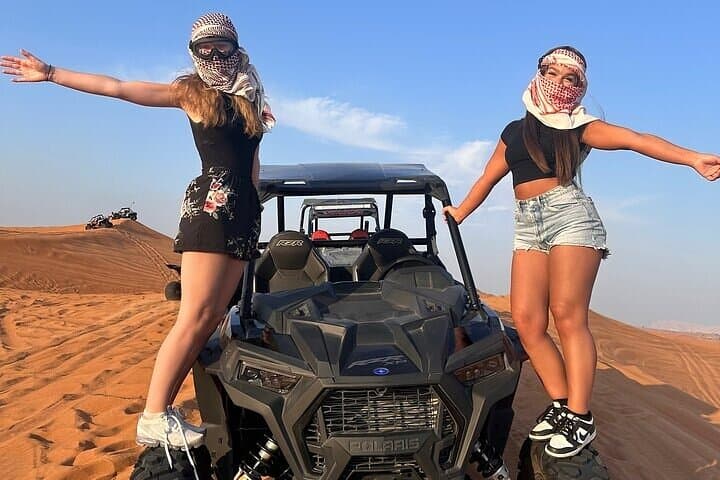
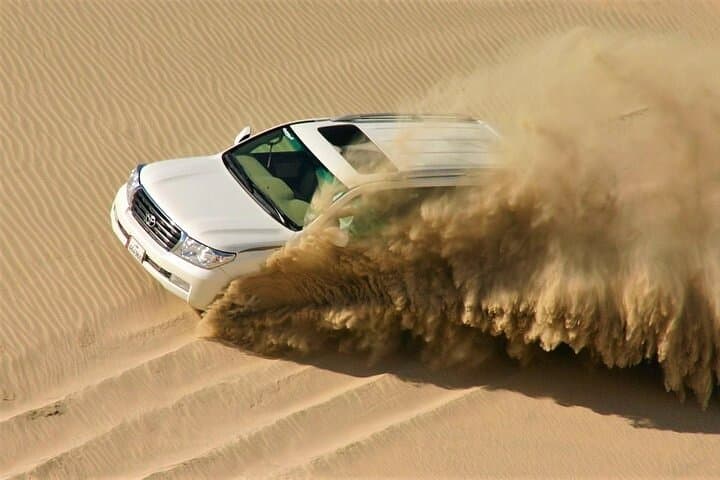
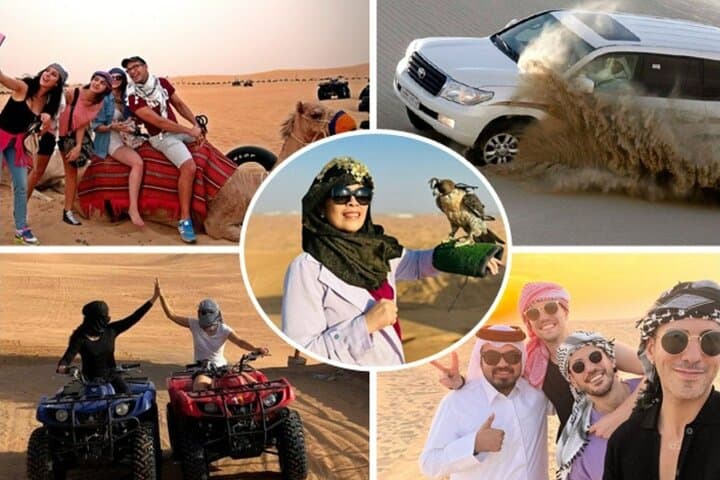
Race across Qatar’s southern dunes on a self‑ride quad, feel the rush of dune bashing, then slow the tempo with a camel ride and strong tea. This four‑hour safari pairs high‑adrenaline riding with cultural moments and practical logistics for first‑time desert travelers.
Race across Qatar’s southern dunes on a self‑ride quad, feel the rush of dune bashing, then slow the tempo with a camel ride and strong tea. This four‑hour safari pairs high‑adrenaline riding with cultural moments and practical logistics for first‑time desert travelers.
The sun sits low and hot over a ribbon of golden sand as a convoy of air‑conditioned Land Cruisers cuts south from Doha.
You step from the cool interior into wind that reshapes the dunes with every breath; the first throttle twist on a quad sends a spray of sand like applause around you. The desert here—part wind‑sculpted dunes and rocky interludes—was once traversed by Bedouin caravans and used as grazing land, and its broad horizons still reward anyone ready to match pace with the terrain.
Geologically recent in landscape terms, Qatar’s sand sheets are wind‑laid quartz and shell fragments from an era when the coastline lay differently. Culturally, the safari combines old rhythms—camel riding and tea—with modern adrenaline: guided dune bashing and self‑ride ATV time. Operators typically blend short history stops with photo moments of oil facilities glimpsed on the route, a reminder of the peninsula’s contemporary economy.
Practical guidance: plan for heat, bring closed‑toe shoes, and arrive hydrated—rides run about four hours including transfers. Helmets and bottled water are commonly supplied; quad rides are on a self‑ride basis but guided dune bashing is led by professionals. Expect variable traction, sudden crest drops and dust that demands sunglasses and a scarf.
Timing matters: early morning or late afternoon slots soften the sun and improve sand grip. Respect operator safety briefings—sand is forgiving until it isn’t—and leave no trace: the desert recovers slowly from tracks and litter.
Verified experiences and guided adventures in the surrounding area.
Operated by Al Annabi Tourism · Doha, Ad Dawhah
The sun sits low and hot over a ribbon of golden sand as a convoy of air‑conditioned Land Cruisers cuts south from Doha.
You step from the cool interior into wind that reshapes the dunes with every breath; the first throttle twist on a quad sends a spray of sand like applause around you. The desert here—part wind‑sculpted dunes and rocky interludes—was once traversed by Bedouin caravans and used as grazing land, and its broad horizons still reward anyone ready to match pace with the terrain.
Geologically recent in landscape terms, Qatar’s sand sheets are wind‑laid quartz and shell fragments from an era when the coastline lay differently. Culturally, the safari combines old rhythms—camel riding and tea—with modern adrenaline: guided dune bashing and self‑ride ATV time. Operators typically blend short history stops with photo moments of oil facilities glimpsed on the route, a reminder of the peninsula’s contemporary economy.
Practical guidance: plan for heat, bring closed‑toe shoes, and arrive hydrated—rides run about four hours including transfers. Helmets and bottled water are commonly supplied; quad rides are on a self‑ride basis but guided dune bashing is led by professionals. Expect variable traction, sudden crest drops and dust that demands sunglasses and a scarf.
Timing matters: early morning or late afternoon slots soften the sun and improve sand grip. Respect operator safety briefings—sand is forgiving until it isn’t—and leave no trace: the desert recovers slowly from tracks and litter.
moderate.
4 hours.
Suitable for people in average fitness who can handle short bursts of standing and steering on unstable sand; no extreme exertion required.
No formal experience is required—operators provide a safety briefing and basic instruction; however, comfort with throttle control and balance helps.
Limits vary by operator; many require riders to be at least 16–18 years old and within a reasonable weight range for the vehicle—check booking details.
Yes—helmets are typically supplied and mandatory for all riders during ATV segments.
Most tours allow a full refund if canceled at least 24 hours before departure; confirm specific terms at booking.
The Qatari desert was historically traversed by Bedouin tribes and caravans; camel travel and small seasonal settlements shaped local routes and traditions.
Operators are encouraged to follow designated tracks and remove waste—disturbing vegetation and wildlife disrupts a landscape that recovers slowly from damage.
Al Annabi Tourism operates guided outdoor trips and adventures with an emphasis on safety, stewardship, and memorable experiences.
The sun sits low and hot over a ribbon of golden sand as a convoy of air‑conditioned Land Cruisers cuts south from Doha.
You step from the cool interior into wind that reshapes the dunes with every breath; the first throttle twist on a quad sends a spray of sand like applause around you. The desert here—part wind‑sculpted dunes and rocky interludes—was once traversed by Bedouin caravans and used as grazing land, and its broad horizons still reward anyone ready to match pace with the terrain.
Geologically recent in landscape terms, Qatar’s sand sheets are wind‑laid quartz and shell fragments from an era when the coastline lay differently. Culturally, the safari combines old rhythms—camel riding and tea—with modern adrenaline: guided dune bashing and self‑ride ATV time. Operators typically blend short history stops with photo moments of oil facilities glimpsed on the route, a reminder of the peninsula’s contemporary economy.
Practical guidance: plan for heat, bring closed‑toe shoes, and arrive hydrated—rides run about four hours including transfers. Helmets and bottled water are commonly supplied; quad rides are on a self‑ride basis but guided dune bashing is led by professionals. Expect variable traction, sudden crest drops and dust that demands sunglasses and a scarf.
Timing matters: early morning or late afternoon slots soften the sun and improve sand grip. Respect operator safety briefings—sand is forgiving until it isn’t—and leave no trace: the desert recovers slowly from tracks and litter.
The sun sits low and hot over a ribbon of golden sand as a convoy of air‑conditioned Land Cruisers cuts south from Doha.
You step from the cool interior into wind that reshapes the dunes with every breath; the first throttle twist on a quad sends a spray of sand like applause around you. The desert here—part wind‑sculpted dunes and rocky interludes—was once traversed by Bedouin caravans and used as grazing land, and its broad horizons still reward anyone ready to match pace with the terrain.
Geologically recent in landscape terms, Qatar’s sand sheets are wind‑laid quartz and shell fragments from an era when the coastline lay differently. Culturally, the safari combines old rhythms—camel riding and tea—with modern adrenaline: guided dune bashing and self‑ride ATV time. Operators typically blend short history stops with photo moments of oil facilities glimpsed on the route, a reminder of the peninsula’s contemporary economy.
Practical guidance: plan for heat, bring closed‑toe shoes, and arrive hydrated—rides run about four hours including transfers. Helmets and bottled water are commonly supplied; quad rides are on a self‑ride basis but guided dune bashing is led by professionals. Expect variable traction, sudden crest drops and dust that demands sunglasses and a scarf.
Timing matters: early morning or late afternoon slots soften the sun and improve sand grip. Respect operator safety briefings—sand is forgiving until it isn’t—and leave no trace: the desert recovers slowly from tracks and litter.