THE ADVENTURE COLLECTIVE® · Independent discovery and booking for outdoor travel

Across temples, tea estates, elephant-filled plains and sun-drenched beaches, this 16‑day private tour maps Sri Lanka’s cultural and natural highlights. Expect early climbs at Sigiriya, misty mornings on Horton Plains and guided safaris in Minneriya and Yala.
Across temples, tea estates, elephant-filled plains and sun-drenched beaches, this 16‑day private tour maps Sri Lanka’s cultural and natural highlights. Expect early climbs at Sigiriya, misty mornings on Horton Plains and guided safaris in Minneriya and Yala.
The first light in Sri Lanka arrives humid and immediate — a warm breath of sea and spice that follows you from the airport into the palm-lined roads of Negombo. Over the next 16 days that breath will change: it will sharpen into tea-scented air at 2,100 meters on the Horton Plateau, thicken with incense in Kandy's temple courtyards, and finally flatten into the salty tang of Unawatuna at dusk.
Verified experiences and guided adventures in the surrounding area.
Operated by Lakpura LLC · Colombo, Western Province
The first light in Sri Lanka arrives humid and immediate — a warm breath of sea and spice that follows you from the airport into the palm-lined roads of Negombo. Over the next 16 days that breath will change: it will sharpen into tea-scented air at 2,100 meters on the Horton Plateau, thicken with incense in Kandy's temple courtyards, and finally flatten into the salty tang of Unawatuna at dusk.
Start with the small dramas: fishermen hauling nets outside Negombo, the bronze flash of a kingfisher, the climb up Sigiriya where the rock’s flank demands your attention. Sigiriya rises roughly 200 meters from the plain; its staircases, frescoes and ancient water gardens give a direct line to the 5th-century ambitions of King Kasyapa.
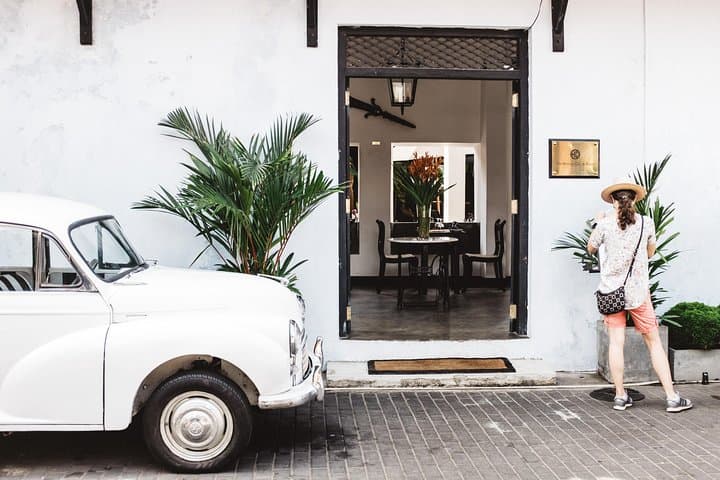
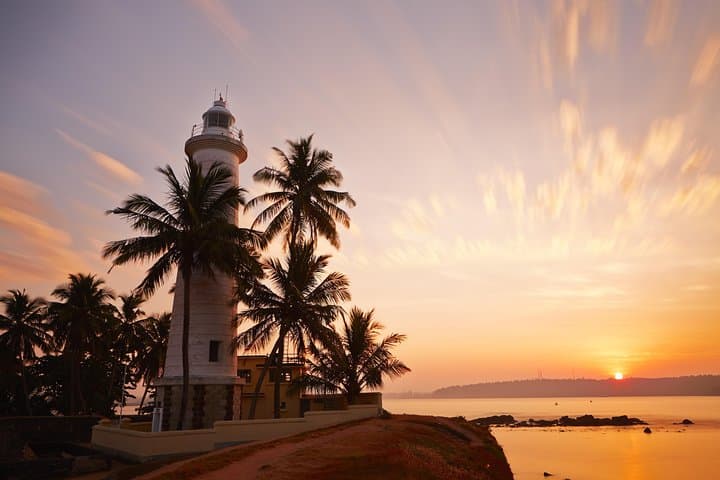
This route threads Sri Lanka’s sweep of history. Polonnaruwa’s carved Buddhas and bathing pools recall the island’s medieval engineering; Galle Fort is a colonial map etched in brick and Dutch gables. The central highlands — the stage for Ceylon tea — are a product of ancient uplift and weathered slopes, where terraces catch fog and hands harvest bright leaves that will be poured worldwide as black tea.
Wildlife punctuates the itinerary. Minneriya’s dry-season gathering (May–October) can gather hundreds of elephants into a single clearing; Yala tempts with leopard sightings in scrub and thorn. The sea plays its part, too: Unawatuna and nearby beaches host turtle nesting seasons, often peaking in the winter months.
Practicalities shape how you experience Sri Lanka. Beat the midday heat at archaeological sites: start Sigiriya before 7 a.m., and arrive at Horton Plains for sunrise if you want World's End without the fog. Expect a range of temperatures — cool in Nuwara Eliya (around 1,868 meters) and sticky on the southern coast — and pack layers. Entrance fees to attractions are commonly extra, so carry some local currency; many rural vendors don’t accept cards.
Pace yourself. The tour’s private vehicle and English-speaking chauffeur-guide keep logistics simple but give you the option to linger in spice gardens, sip tea beside a plantation worker, or slip into a small coastal cafe at sunset. Hydrate during drives, respect temple dress codes (shoulders and knees covered), and treat safaris as patient observation: the animals decide the show.
This is a trip of contrasts — jungle and monastery, surf and summit — best approached with curiosity and basic preparation. With the right shoes, a light rain shell and a willingness to wake early, Discovering Serendib unfolds as a practical, sensory sweep of an island that keeps asking you to look closer.
moderate.
16 days.
A mix of easy walking and some steeper climbs; be comfortable with several hours on your feet and short hikes at altitude.
No — many attraction entrance fees and national park permits are not included, so budget additional cash for sites like Sigiriya, Horton Plains and Yala.
December–March is ideal for the south and west coasts; May–October is drier in the cultural triangle and good for elephant gatherings at Minneriya.
Most visitors require an Electronic Travel Authorization (ETA) before arrival; check the Sri Lankan immigration site for current rules based on your nationality.
The tour is family-friendly, but some sites involve stairs or uneven ground (e.g., Sigiriya stairs, temple steps) and may be challenging for those with limited mobility.
Leopard sightings occur but aren’t guaranteed; early-morning and late-afternoon safaris increase your chances and experienced guides can help locate them.
Tipping is appreciated for drivers and guides; small tips at restaurants and for porters are customary. Always ask before photographing people in villages or religious ceremonies.
Sri Lanka’s cultural route threads ancient kingdoms like Anuradhapura and Polonnaruwa with later Portuguese and Dutch colonial layers; many sites date back over a millennium.
Stick to marked trails, respect wildlife distances and support local community-run reserves and turtle conservation projects to minimize your footprint.
Lakpura LLC operates guided outdoor trips and adventures with an emphasis on safety, stewardship, and memorable experiences.
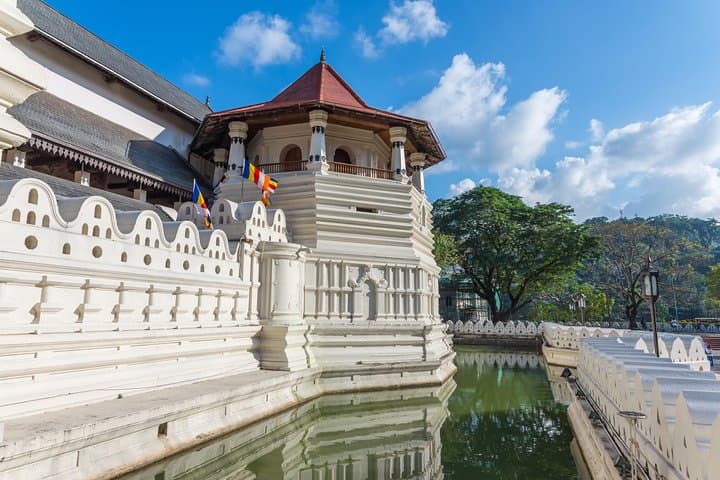
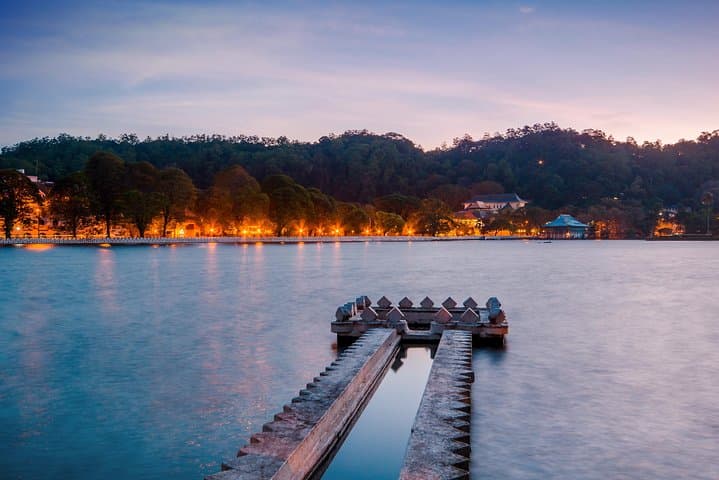
The first light in Sri Lanka arrives humid and immediate — a warm breath of sea and spice that follows you from the airport into the palm-lined roads of Negombo. Over the next 16 days that breath will change: it will sharpen into tea-scented air at 2,100 meters on the Horton Plateau, thicken with incense in Kandy's temple courtyards, and finally flatten into the salty tang of Unawatuna at dusk.
The first light in Sri Lanka arrives humid and immediate — a warm breath of sea and spice that follows you from the airport into the palm-lined roads of Negombo. Over the next 16 days that breath will change: it will sharpen into tea-scented air at 2,100 meters on the Horton Plateau, thicken with incense in Kandy's temple courtyards, and finally flatten into the salty tang of Unawatuna at dusk.
Start with the small dramas: fishermen hauling nets outside Negombo, the bronze flash of a kingfisher, the climb up Sigiriya where the rock’s flank demands your attention. Sigiriya rises roughly 200 meters from the plain; its staircases, frescoes and ancient water gardens give a direct line to the 5th-century ambitions of King Kasyapa.
This route threads Sri Lanka’s sweep of history. Polonnaruwa’s carved Buddhas and bathing pools recall the island’s medieval engineering; Galle Fort is a colonial map etched in brick and Dutch gables. The central highlands — the stage for Ceylon tea — are a product of ancient uplift and weathered slopes, where terraces catch fog and hands harvest bright leaves that will be poured worldwide as black tea.
Wildlife punctuates the itinerary. Minneriya’s dry-season gathering (May–October) can gather hundreds of elephants into a single clearing; Yala tempts with leopard sightings in scrub and thorn. The sea plays its part, too: Unawatuna and nearby beaches host turtle nesting seasons, often peaking in the winter months.
Practicalities shape how you experience Sri Lanka. Beat the midday heat at archaeological sites: start Sigiriya before 7 a.m., and arrive at Horton Plains for sunrise if you want World's End without the fog. Expect a range of temperatures — cool in Nuwara Eliya (around 1,868 meters) and sticky on the southern coast — and pack layers. Entrance fees to attractions are commonly extra, so carry some local currency; many rural vendors don’t accept cards.
Pace yourself. The tour’s private vehicle and English-speaking chauffeur-guide keep logistics simple but give you the option to linger in spice gardens, sip tea beside a plantation worker, or slip into a small coastal cafe at sunset. Hydrate during drives, respect temple dress codes (shoulders and knees covered), and treat safaris as patient observation: the animals decide the show.
This is a trip of contrasts — jungle and monastery, surf and summit — best approached with curiosity and basic preparation. With the right shoes, a light rain shell and a willingness to wake early, Discovering Serendib unfolds as a practical, sensory sweep of an island that keeps asking you to look closer.