THE ADVENTURE COLLECTIVE® · Independent discovery and booking for outdoor travel

Take your first breaths underwater off St Maarten: a calm, instructor-led boat dive over shallow artificial reefs with a helicopter wreck, stingrays, and colorful reef life. Perfect for beginners and cruise passengers looking for a safe, unforgettable introduction to Caribbean scuba.
Take your first breaths underwater off St Maarten: a calm, instructor-led boat dive over shallow artificial reefs with a helicopter wreck, stingrays, and colorful reef life. Perfect for beginners and cruise passengers looking for a safe, unforgettable introduction to Caribbean scuba.
The boat slips away from the white sand like a promise: warm air, a slow Caribbean swell, and a horizon that refuses to hurry. Within an hour of leaving Divi Little Bay or the Simpson Bay marina you’re hovering over a shallow artificial reef in water the color of broken glass, hands cupped around a regulator, eyes wide behind a mask as a trained PADI instructor guides your first breaths under pressure.
Verified experiences and guided adventures in the surrounding area.
Operated by Aqua Mania Adventures · Philipsburg, Sint Maarten
The boat slips away from the white sand like a promise: warm air, a slow Caribbean swell, and a horizon that refuses to hurry. Within an hour of leaving Divi Little Bay or the Simpson Bay marina you’re hovering over a shallow artificial reef in water the color of broken glass, hands cupped around a regulator, eyes wide behind a mask as a trained PADI instructor guides your first breaths under pressure.
This isn’t a deep technical dive—max depths sit around 25 feet—so the stakes feel small and the discoveries large. A helicopter wreck lies sprawled on the sand, its metal edges softened by encrusting coral and shy blennies. Octopus tuck themselves into crevices and stingrays flatten themselves like living coins in the sand. Lionfish, an invasive species, drift like tropical flags; their presence underlines both the richness and fragility of these reefs.
St Maarten’s shoreline is shaped by carbonate geology: limestone platforms, broken coral heads, and sand channels that funnel nutrients and create microhabitats. The island’s human story—split between French and Dutch administrations since the 17th century—has made Philipsburg and Simpson Bay lively staging points for visitors, with colorful boardwalks, rum shops, and a maritime culture built around the sea.
Culturally, this is straightforward Caribbean diving. Briefings are practical, safety-focused and often repeated in several languages; operators expect you to be a strong swimmer and to complete PADI medical forms before arrival. The 3-hour experience includes gear, a professional guide, and refreshments—so you can focus on buoyancy and observation rather than logistics.
Practical guidance: arrive 30 minutes early, bring identification and your completed PADI medical questionnaire, and avoid flying for at least 24 hours after diving. Wear reef-safe sunscreen on the surface and a rash guard to limit sun exposure. If you’re nervous, choose a morning departure: calmer seas and clearer conditions make learning easier.
For photographers, a compact underwater camera or a mask-mounted housing will capture the wreck and charismatic macro life; keep shots steady and low to the reef to pick up textures and colors. If you feel at all unwell or anxious, tell your instructor—these beginner dives are designed for comfort and repetitive practice under direct supervision.
By the time the boat returns you’ll have tasted the sound and motion of breathing undersea, watched a stingray ghost away, and learned the quiet rules of a place that gives itself slowly to those who move with it. It’s an approachable, well-supported introduction to Caribbean diving—one that leaves you thinking about a deeper certification, and about how to protect the reefs that made those first underwater breaths possible.
moderate.
3 hours.
Participants should have moderate fitness and be comfortable swimming; strong swimming ability is required.
No—this is a Discover Scuba program designed for first-time divers under direct instructor supervision.
The site is shallow, with a maximum depth around 25 feet (approximately 8 meters), ideal for beginners.
Minimum age is 12 years; participants must be strong swimmers and in good health.
Yes—masks, fins, BCDs, tanks, and regulators are included. You may bring your own mask and fins if preferred.
Yes—departure points are chosen to accommodate cruise ship visitors; confirm pickup details when booking.
The operator will cancel for bad weather; you can receive a full refund if cancelled at least 24 hours prior or due to unsafe conditions.
St Maarten is split between Dutch and French control since the 17th century; Philipsburg grew as a maritime hub supporting reef fisheries and trade.
Local operators encourage reef-safe sunscreen and report lionfish sightings; removing invasive lionfish is a community priority to protect native reef life.
Aqua Mania Adventures operates guided outdoor trips and adventures with an emphasis on safety, stewardship, and memorable experiences.
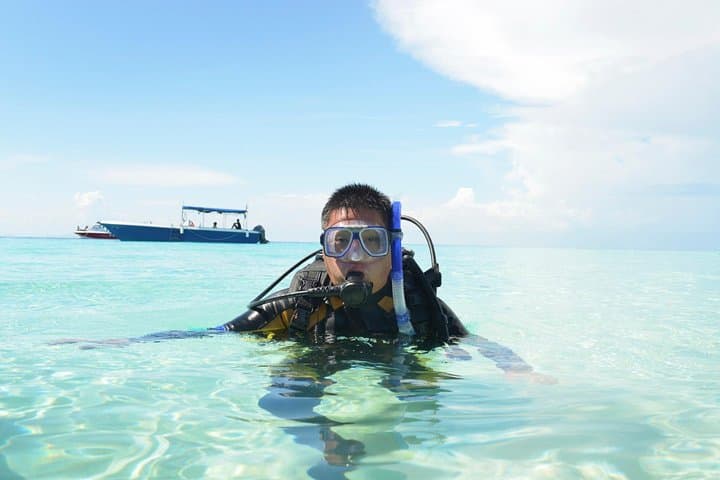
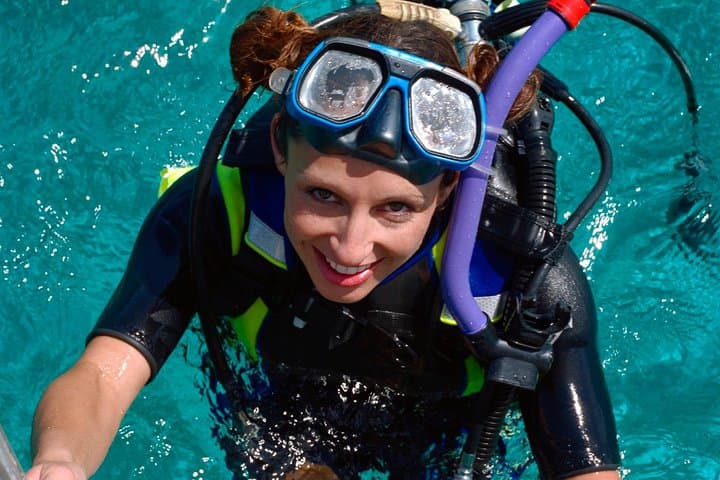
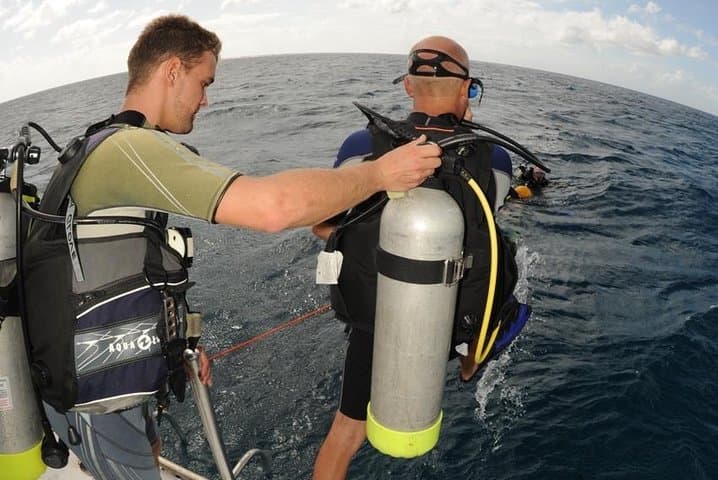
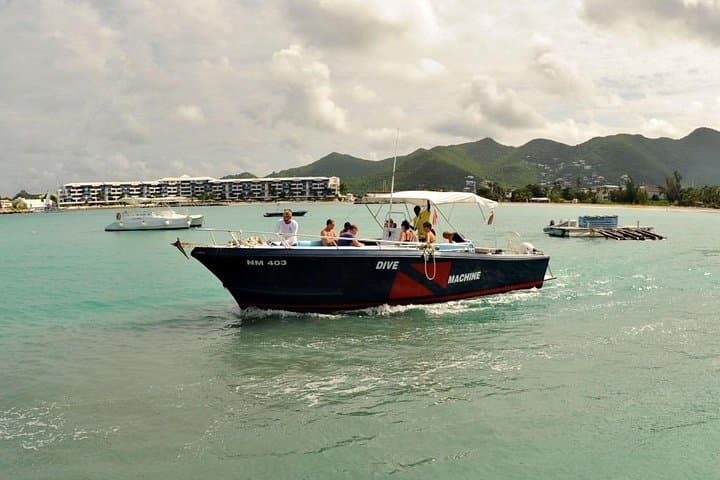
The boat slips away from the white sand like a promise: warm air, a slow Caribbean swell, and a horizon that refuses to hurry. Within an hour of leaving Divi Little Bay or the Simpson Bay marina you’re hovering over a shallow artificial reef in water the color of broken glass, hands cupped around a regulator, eyes wide behind a mask as a trained PADI instructor guides your first breaths under pressure.
The boat slips away from the white sand like a promise: warm air, a slow Caribbean swell, and a horizon that refuses to hurry. Within an hour of leaving Divi Little Bay or the Simpson Bay marina you’re hovering over a shallow artificial reef in water the color of broken glass, hands cupped around a regulator, eyes wide behind a mask as a trained PADI instructor guides your first breaths under pressure.
This isn’t a deep technical dive—max depths sit around 25 feet—so the stakes feel small and the discoveries large. A helicopter wreck lies sprawled on the sand, its metal edges softened by encrusting coral and shy blennies. Octopus tuck themselves into crevices and stingrays flatten themselves like living coins in the sand. Lionfish, an invasive species, drift like tropical flags; their presence underlines both the richness and fragility of these reefs.
St Maarten’s shoreline is shaped by carbonate geology: limestone platforms, broken coral heads, and sand channels that funnel nutrients and create microhabitats. The island’s human story—split between French and Dutch administrations since the 17th century—has made Philipsburg and Simpson Bay lively staging points for visitors, with colorful boardwalks, rum shops, and a maritime culture built around the sea.
Culturally, this is straightforward Caribbean diving. Briefings are practical, safety-focused and often repeated in several languages; operators expect you to be a strong swimmer and to complete PADI medical forms before arrival. The 3-hour experience includes gear, a professional guide, and refreshments—so you can focus on buoyancy and observation rather than logistics.
Practical guidance: arrive 30 minutes early, bring identification and your completed PADI medical questionnaire, and avoid flying for at least 24 hours after diving. Wear reef-safe sunscreen on the surface and a rash guard to limit sun exposure. If you’re nervous, choose a morning departure: calmer seas and clearer conditions make learning easier.
For photographers, a compact underwater camera or a mask-mounted housing will capture the wreck and charismatic macro life; keep shots steady and low to the reef to pick up textures and colors. If you feel at all unwell or anxious, tell your instructor—these beginner dives are designed for comfort and repetitive practice under direct supervision.
By the time the boat returns you’ll have tasted the sound and motion of breathing undersea, watched a stingray ghost away, and learned the quiet rules of a place that gives itself slowly to those who move with it. It’s an approachable, well-supported introduction to Caribbean diving—one that leaves you thinking about a deeper certification, and about how to protect the reefs that made those first underwater breaths possible.