THE ADVENTURE COLLECTIVE® · Independent discovery and booking for outdoor travel

Beginner-friendly two-dive introduction off Lanzarote: a shallow skills dive to 6m followed by a guided 10–12m exploration of volcanic reefs, with gear, transport and snacks included.
Beginner-friendly two-dive introduction off Lanzarote: a shallow skills dive to 6m followed by a guided 10–12m exploration of volcanic reefs, with gear, transport and snacks included.
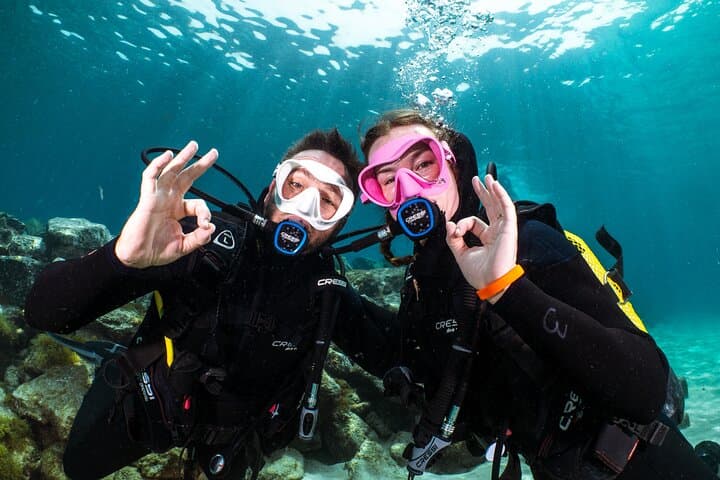
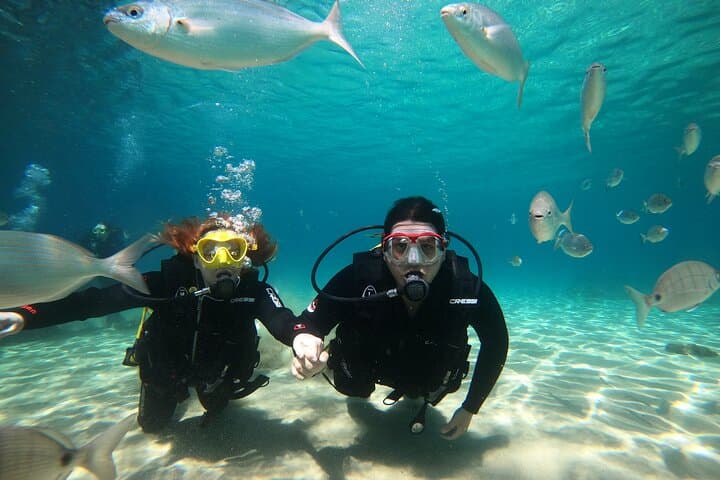
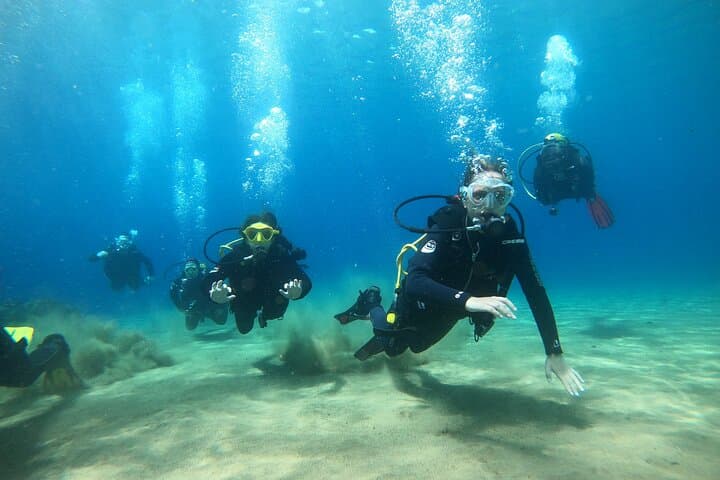
The boat eases away from the harbor and the Atlantic opens up—cool blue that invites closer inspection. On your first shallow descent you get acquainted with weight, breath and the way light fractures through the water at six meters. Sea grasses and black volcanic outcrops slide by; small fish inspect you the way tourists inspect shorelines. After a surface snack and a quick gear check, the second dive pushes to 10–12 meters, where rock ledges and crevices hold octopus, moray eels and inquisitive schools of wrasse.
Verified experiences and guided adventures in the surrounding area.
Operated by Aquatis Diving Lanzarote · Puerto del Carmen, Las Palmas
The boat eases away from the harbor and the Atlantic opens up—cool blue that invites closer inspection. On your first shallow descent you get acquainted with weight, breath and the way light fractures through the water at six meters. Sea grasses and black volcanic outcrops slide by; small fish inspect you the way tourists inspect shorelines. After a surface snack and a quick gear check, the second dive pushes to 10–12 meters, where rock ledges and crevices hold octopus, moray eels and inquisitive schools of wrasse.
Lanzarote’s coastline is a product of recent volcanism. Submerged lava flows and jagged basalt create reefs and swim-throughs that shelter rich invertebrate life and small reef fish rather than deep-water pelagics. Culturally, the islands have long balanced fishing traditions with growing marine tourism; many local dive operators run small-group courses focused on safety and low-impact exploration.
Practically, expect a five-hour window including briefing, surface transit and two ~40-minute guided dives. Equipment, transport and a light snack are provided; groups are capped (about 10), and no prior certification is required—just basic swimming ability and comfort in the sea. Water temperatures vary by season so a thin wetsuit is often recommended. Listen closely during the pre-dive skills session, hydrate before boarding, and use reef-safe sunscreen.
This is an introductory dive designed to show you the small life of Lanzarote and the confidence to return. Move slowly, respect crevices and let the currents nudge you past arches and lava shelves; sometimes a larger visitor—a ray or a curious grouper—will appear and change the story of the day.
easy.
4–5 hours.
Suitable for those with basic swimming ability and reasonable mobility; not highly strenuous but requires comfort in open water.
No—this is an introductory program designed for first-time divers with supervised training and guided dives.
The first dive stays around 6 meters for skills practice; the second typically reaches 10–12 meters for exploration.
Age limits vary by operator; many programs accept teenagers with parental consent but check the provider’s minimum age before booking.
Not recommended if you are pregnant or have significant heart or spinal conditions; always complete the medical disclosure on booking and consult a doctor if unsure.
Lanzarote’s shoreline is sculpted by relatively recent volcanic eruptions; submerged lava flows create the reefs and swim-throughs divers explore today.
Operators follow low-impact diving practices—avoid touching marine life, use reef-safe sunscreen and support centers that participate in local beach clean-ups.
Aquatis Diving Lanzarote operates guided outdoor trips and adventures with an emphasis on safety, stewardship, and memorable experiences.
The boat eases away from the harbor and the Atlantic opens up—cool blue that invites closer inspection. On your first shallow descent you get acquainted with weight, breath and the way light fractures through the water at six meters. Sea grasses and black volcanic outcrops slide by; small fish inspect you the way tourists inspect shorelines. After a surface snack and a quick gear check, the second dive pushes to 10–12 meters, where rock ledges and crevices hold octopus, moray eels and inquisitive schools of wrasse.
The boat eases away from the harbor and the Atlantic opens up—cool blue that invites closer inspection. On your first shallow descent you get acquainted with weight, breath and the way light fractures through the water at six meters. Sea grasses and black volcanic outcrops slide by; small fish inspect you the way tourists inspect shorelines. After a surface snack and a quick gear check, the second dive pushes to 10–12 meters, where rock ledges and crevices hold octopus, moray eels and inquisitive schools of wrasse.
Lanzarote’s coastline is a product of recent volcanism. Submerged lava flows and jagged basalt create reefs and swim-throughs that shelter rich invertebrate life and small reef fish rather than deep-water pelagics. Culturally, the islands have long balanced fishing traditions with growing marine tourism; many local dive operators run small-group courses focused on safety and low-impact exploration.
Practically, expect a five-hour window including briefing, surface transit and two ~40-minute guided dives. Equipment, transport and a light snack are provided; groups are capped (about 10), and no prior certification is required—just basic swimming ability and comfort in the sea. Water temperatures vary by season so a thin wetsuit is often recommended. Listen closely during the pre-dive skills session, hydrate before boarding, and use reef-safe sunscreen.
This is an introductory dive designed to show you the small life of Lanzarote and the confidence to return. Move slowly, respect crevices and let the currents nudge you past arches and lava shelves; sometimes a larger visitor—a ray or a curious grouper—will appear and change the story of the day.