THE ADVENTURE COLLECTIVE® · Independent discovery and booking for outdoor travel

Try your first scuba dives in the glass-clear waters of Casa Cenote near Tulum. This beginner-friendly half-day experience pairs a short theory session with a guided, shallow dive through mangrove-framed limestone and excellent visibility.
Try your first scuba dives in the glass-clear waters of Casa Cenote near Tulum. This beginner-friendly half-day experience pairs a short theory session with a guided, shallow dive through mangrove-framed limestone and excellent visibility.
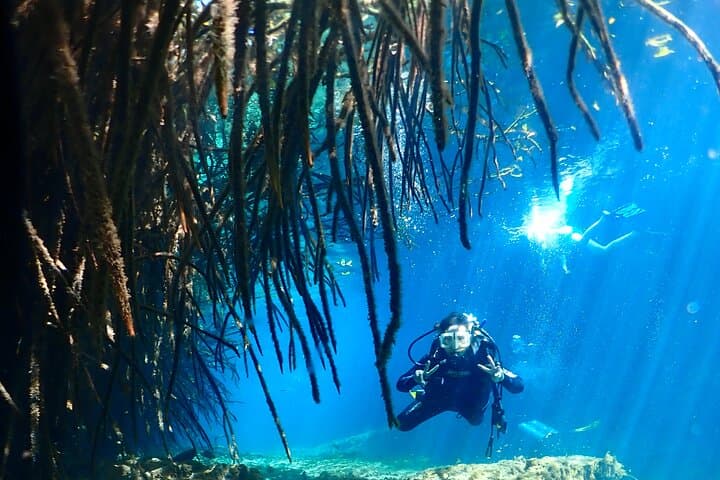
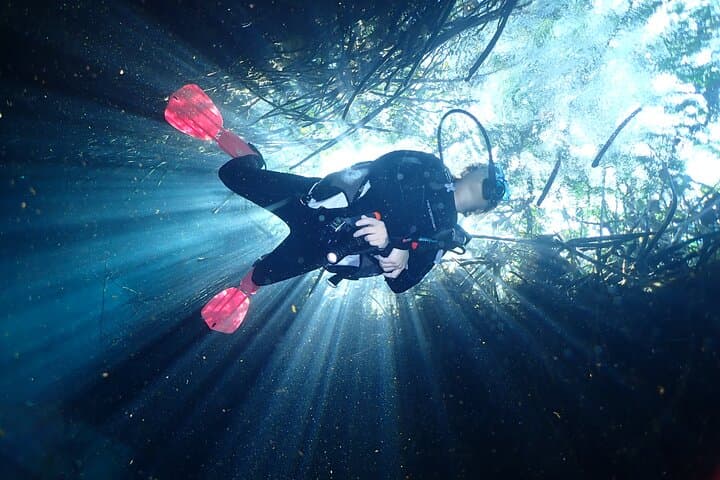
The first thing you notice at Casa Cenote is the light — a shaft of Caribbean sun filtering through mangrove roots and glassy water until the cenote seems to glow from within.
Verified experiences and guided adventures in the surrounding area.
Operated by Mexidivers Tulum · Tulum, Quintana Roo
The first thing you notice at Casa Cenote is the light — a shaft of Caribbean sun filtering through mangrove roots and glassy water until the cenote seems to glow from within.
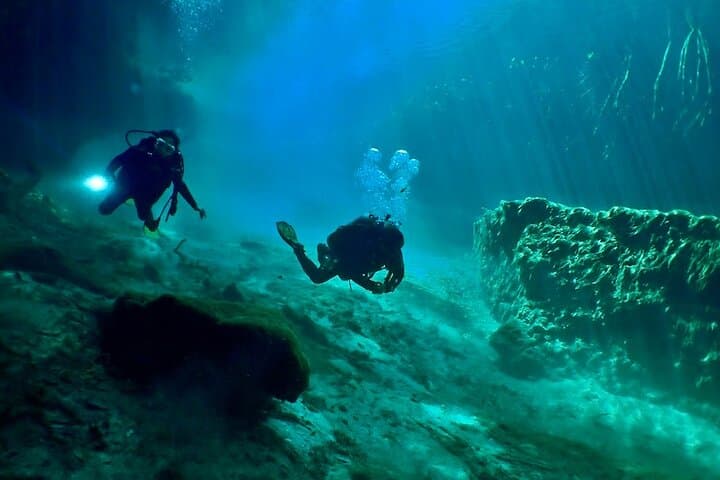
On a half-day introductory dive, that light becomes an instrument: instructors use it to teach buoyancy, hand signals and how to read the calm, shallow water that defines this particular sinkhole. The session begins with a concise theory class at the shore — regulators checked, weights explained — then moves into knee-deep water for breathing practice. The guided descent is deliberate and unhurried; Casa Cenote’s clear, limestone-filtered water lets you focus on technique instead of nerves.
Geologically, Casa Cenote is an open cenote carved from collapsed limestone linked to the Yucatán’s vast underground aquifer. These holes were crucial to Maya settlements as freshwater sources and ceremonial sites; around Tulum the coastline and reef created an interface where salt and fresh water mingle, and that brackish seam supports a unique ecology. Today mangrove roots frame the cenote like the ribs of a shipwreck, and small fish braid through submerged branches while birds stand on the edge, patient as a watchful audience.
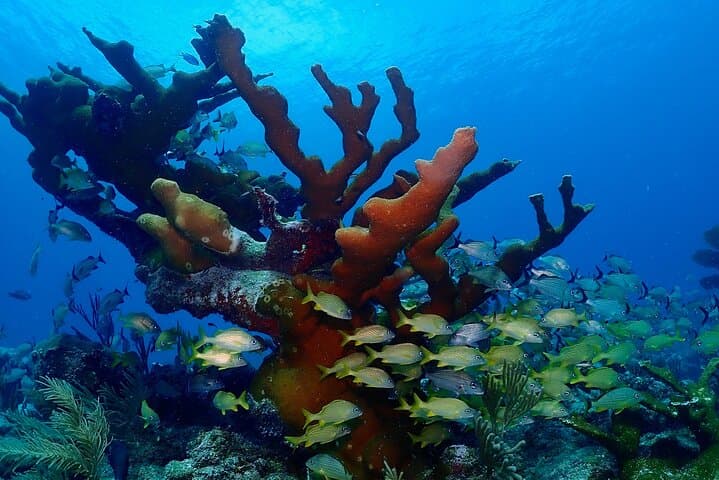
Culturally, Casa Cenote sits close to Tulum’s coastal road and the small hotel strip where visitors combine beach time, Mayan ruins and cenote visits. Local dive operators often pair a cenote intro with an optional Caribbean reef dive for a full-day contrast: the still, cathedral-like cenote versus the open, current-fed reef.
Practicalities: expect a 3–4 hour excursion. The course is designed for true beginners — no certification required — but you’ll need to be able to swim and follow basic instructions. Water temperatures hover in the mid- to high-70s°F (24–26°C), so a shorty wetsuit is comfortable for most people. The dive itself is shallow and sheltered, which makes for excellent visibility but also a strict no-touch policy to protect delicate roots, silt beds and aquatic life.
Timing matters: morning slots catch the cleanest light and calmest surface conditions; afternoons bring more visitors. Bring a towel, reef-safe sunscreen, and a sense of patience — the most memorable moments are the quiet ones when a turtle glides under a mangrove root or a ray of sun turns the water to mercury.
Guides provide all equipment and instruction; upgrades to an ocean reef dive are available for those wanting to push further. For a first-time diver, Casa Cenote is a contained, beautiful, and instructive place to start — a short, controlled introduction to an underwater world that, once seen, pulls you back for more.
moderate.
3–4 hours.
Basic swimming ability and comfort in water are required; minimal aerobic fitness is enough for this intro dive.
No — this is a discover-scuba program designed for beginners; you’ll receive on-site instruction and a guided shallow dive.
Operators typically have a minimum age (often 10–12); check booking details and bring ID or birthdates for younger guests.
You must be comfortable in the water and able to swim; non-swimmers should discuss options with the operator before booking.
The guided cenote dive is short — usually 20–40 minutes depending on comfort and air consumption — with time before and after for instruction and debrief.
The shallow, single guided dives in this program have minimal risk; instructors will follow conservative profiles and brief you on safety.
Yes — many operators offer an optional reef dive upgrade in the Caribbean Sea for an additional fee, often scheduled after the cenote session.
Cenotes were vital freshwater sources for the Maya and often had ritual significance; coastal cenotes like Casa shaped settlement and travel along this stretch of coast.
Operators emphasize a no-touch policy, use of reef-safe sunscreens, and low-impact briefings to protect fragile roots, sediment layers and aquatic species.
Mexidivers Tulum operates guided outdoor trips and adventures with an emphasis on safety, stewardship, and memorable experiences.
The first thing you notice at Casa Cenote is the light — a shaft of Caribbean sun filtering through mangrove roots and glassy water until the cenote seems to glow from within.
The first thing you notice at Casa Cenote is the light — a shaft of Caribbean sun filtering through mangrove roots and glassy water until the cenote seems to glow from within.
On a half-day introductory dive, that light becomes an instrument: instructors use it to teach buoyancy, hand signals and how to read the calm, shallow water that defines this particular sinkhole. The session begins with a concise theory class at the shore — regulators checked, weights explained — then moves into knee-deep water for breathing practice. The guided descent is deliberate and unhurried; Casa Cenote’s clear, limestone-filtered water lets you focus on technique instead of nerves.
Geologically, Casa Cenote is an open cenote carved from collapsed limestone linked to the Yucatán’s vast underground aquifer. These holes were crucial to Maya settlements as freshwater sources and ceremonial sites; around Tulum the coastline and reef created an interface where salt and fresh water mingle, and that brackish seam supports a unique ecology. Today mangrove roots frame the cenote like the ribs of a shipwreck, and small fish braid through submerged branches while birds stand on the edge, patient as a watchful audience.
Culturally, Casa Cenote sits close to Tulum’s coastal road and the small hotel strip where visitors combine beach time, Mayan ruins and cenote visits. Local dive operators often pair a cenote intro with an optional Caribbean reef dive for a full-day contrast: the still, cathedral-like cenote versus the open, current-fed reef.
Practicalities: expect a 3–4 hour excursion. The course is designed for true beginners — no certification required — but you’ll need to be able to swim and follow basic instructions. Water temperatures hover in the mid- to high-70s°F (24–26°C), so a shorty wetsuit is comfortable for most people. The dive itself is shallow and sheltered, which makes for excellent visibility but also a strict no-touch policy to protect delicate roots, silt beds and aquatic life.
Timing matters: morning slots catch the cleanest light and calmest surface conditions; afternoons bring more visitors. Bring a towel, reef-safe sunscreen, and a sense of patience — the most memorable moments are the quiet ones when a turtle glides under a mangrove root or a ray of sun turns the water to mercury.
Guides provide all equipment and instruction; upgrades to an ocean reef dive are available for those wanting to push further. For a first-time diver, Casa Cenote is a contained, beautiful, and instructive place to start — a short, controlled introduction to an underwater world that, once seen, pulls you back for more.