THE ADVENTURE COLLECTIVE® · Independent discovery and booking for outdoor travel

Cover Arches, Canyonlands and Dead Horse Point in a single, expertly paced day out of Moab. Travel in an air‑conditioned vehicle, enjoy guided short hikes and timed-entry access to Arches for a comprehensive introduction to Utah’s red rock country.
Cover Arches, Canyonlands and Dead Horse Point in a single, expertly paced day out of Moab. Travel in an air‑conditioned vehicle, enjoy guided short hikes and timed-entry access to Arches for a comprehensive introduction to Utah’s red rock country.
The bus eases out of Moab before sunrise, and the red rocks inhale the pale light like a slow exhale. Windows frame serrated fins and soaring spires; your guide points, voice low and exact, as the air-conditioned cabin moves past Park Avenue’s vertical cliffs. By mid-morning you’re stepping onto slickrock beneath Double Arch, where the sandstone hangs like a cathedral roof and the wind nudges dust into small, bright storms.
Verified experiences and guided adventures in the surrounding area.
Operated by Moab In A Day LLC · Moab, Utah
The bus eases out of Moab before sunrise, and the red rocks inhale the pale light like a slow exhale. Windows frame serrated fins and soaring spires; your guide points, voice low and exact, as the air-conditioned cabin moves past Park Avenue’s vertical cliffs. By mid-morning you’re stepping onto slickrock beneath Double Arch, where the sandstone hangs like a cathedral roof and the wind nudges dust into small, bright storms.
This is a day designed to compress millions of years into a readable route. The landscape you move through is mostly Navajo and Entrada sandstone—ancient sand dunes turned to stone, then carved by intermittent rivers, freeze‑thaw cycles, and relentless sun. Arches’ arches are not whimsical; they are the patient work of erosion opening windows through layers laid down in an ancient desert sea. At Canyonlands and Dead Horse Point the Colorado and Green rivers braid the story: deep incision, uplifted plateaus, and vistas that stretch to the horizon.
Human stories are threaded through the rocks. The area has long been home to Ute, Paiute, and ancestral Puebloan peoples; petroglyphs and old game drives whisper of lifeways adapted to scarcity. Euro-American explorers, miners, and ranchers later carved roads and names into this country—Dead Horse Point itself earned a grim ranching legend that lingers in the view.
Practicality is part of the charm here. This tour uses a closed, air-conditioned vehicle and covers Arches’ scenic drive with a timed-entry reservation included, plus Dead Horse Point entry fees. Stops are purposeful: Balanced Rock, Windows Section, Double Arch, Park Avenue, overlooks in Canyonlands, and a light picnic lunch provided. Small groups mean more time for photos and questions, and guides balance short walks with vantage points accessible to most fitness levels.
What you should know: bring a refillable water bottle (the tour offers refills; in summer bring it filled with ice), wear sturdy closed-toe shoes for slickrock and short hikes, apply high‑SPF sunscreen and a brimmed hat, and layer—desert mornings are cool, afternoons bake. National Park passes are not automatically included to preserve access; if you don’t already have one the operator will advise whether to buy one beforehand.
Timing matters: start early to beat the heat and the crowds, and save your longest exposures for morning and late afternoon when light sculpts the arches. Respect fragile cryptobiotic soil by staying on trails, and listen to your guide—Moab has one of Utah’s highest rescue rates for a reason: dry conditions and deceptively easy terrain can turn serious quickly.
By day’s end you’ll have two parks checked off and a sense of how water, wind, and time keep shaping this desert. The tour is efficient but unhurried—an invitation to see Moab’s most iconic places with context, and leave ready to plan a return for deeper exploration.
moderate.
8 hours.
Suitable for most fitness levels; expect short hikes of under 1.5 miles and standing at viewpoints—basic mobility and stamina for 30–90 minute cumulative walking.
Timed-entry for Arches and Dead Horse Point entry fees are included; general national park passes are not automatically included—check with the operator if you plan extra park visits.
The tour is approximately 8 hours and departs from the operator’s office at 6:55 AM, with hotel pickup between 7:00 and 7:15 AM.
Yes—short, easy walks and vehicle access make it family-friendly; inform the operator of special requirements when booking.
A light picnic lunch, snacks, and water refills are provided; bring a refillable bottle and extra snacks if you prefer more food.
Yes—guides allow ample photo time at each stop; durations vary but most major viewpoints include 10–90 minute windows for hiking and shooting.
Full refund if you cancel at least 24 hours before departure; operators may cancel for severe weather—contact them for specifics and consider travel insurance for last-minute emergencies.
The region preserves millennia of use by Ute, Paiute and ancestral Puebloan peoples, later traversed by ranchers and miners who left names and stories across the landscape.
Stay on designated roads and trails to protect fragile cryptobiotic soil; operators work within NPS permits to minimize group impact and preserve access.
Moab In A Day LLC operates guided outdoor trips and adventures with an emphasis on safety, stewardship, and memorable experiences.
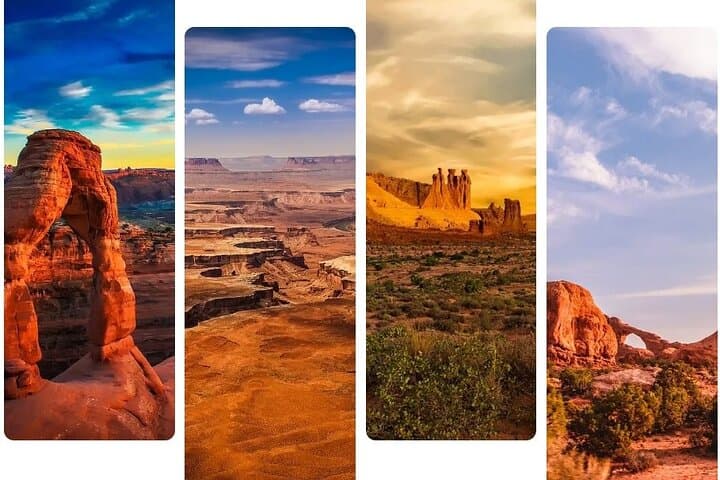
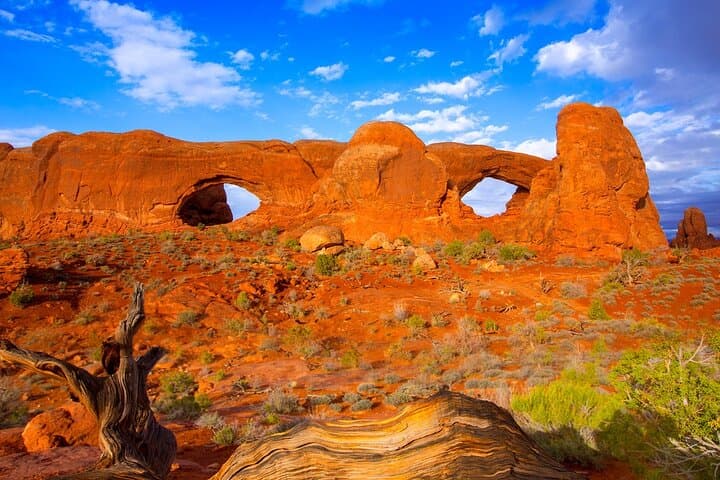
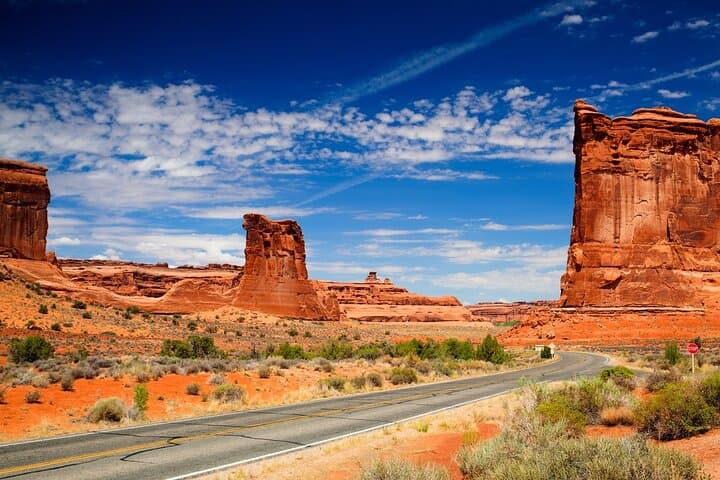
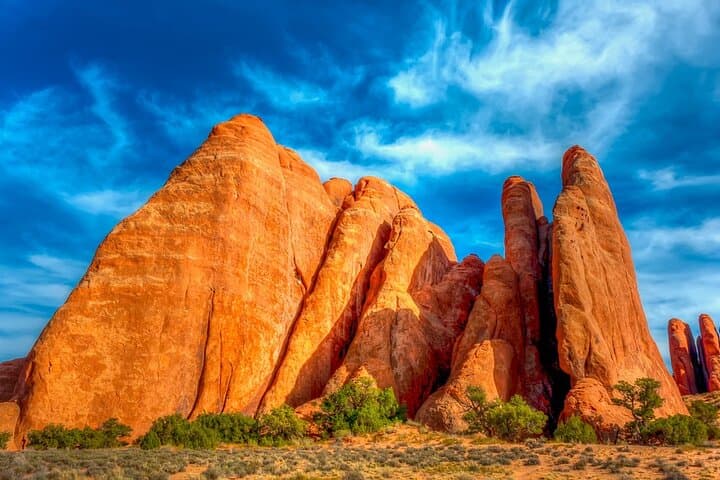
The bus eases out of Moab before sunrise, and the red rocks inhale the pale light like a slow exhale. Windows frame serrated fins and soaring spires; your guide points, voice low and exact, as the air-conditioned cabin moves past Park Avenue’s vertical cliffs. By mid-morning you’re stepping onto slickrock beneath Double Arch, where the sandstone hangs like a cathedral roof and the wind nudges dust into small, bright storms.
The bus eases out of Moab before sunrise, and the red rocks inhale the pale light like a slow exhale. Windows frame serrated fins and soaring spires; your guide points, voice low and exact, as the air-conditioned cabin moves past Park Avenue’s vertical cliffs. By mid-morning you’re stepping onto slickrock beneath Double Arch, where the sandstone hangs like a cathedral roof and the wind nudges dust into small, bright storms.
This is a day designed to compress millions of years into a readable route. The landscape you move through is mostly Navajo and Entrada sandstone—ancient sand dunes turned to stone, then carved by intermittent rivers, freeze‑thaw cycles, and relentless sun. Arches’ arches are not whimsical; they are the patient work of erosion opening windows through layers laid down in an ancient desert sea. At Canyonlands and Dead Horse Point the Colorado and Green rivers braid the story: deep incision, uplifted plateaus, and vistas that stretch to the horizon.
Human stories are threaded through the rocks. The area has long been home to Ute, Paiute, and ancestral Puebloan peoples; petroglyphs and old game drives whisper of lifeways adapted to scarcity. Euro-American explorers, miners, and ranchers later carved roads and names into this country—Dead Horse Point itself earned a grim ranching legend that lingers in the view.
Practicality is part of the charm here. This tour uses a closed, air-conditioned vehicle and covers Arches’ scenic drive with a timed-entry reservation included, plus Dead Horse Point entry fees. Stops are purposeful: Balanced Rock, Windows Section, Double Arch, Park Avenue, overlooks in Canyonlands, and a light picnic lunch provided. Small groups mean more time for photos and questions, and guides balance short walks with vantage points accessible to most fitness levels.
What you should know: bring a refillable water bottle (the tour offers refills; in summer bring it filled with ice), wear sturdy closed-toe shoes for slickrock and short hikes, apply high‑SPF sunscreen and a brimmed hat, and layer—desert mornings are cool, afternoons bake. National Park passes are not automatically included to preserve access; if you don’t already have one the operator will advise whether to buy one beforehand.
Timing matters: start early to beat the heat and the crowds, and save your longest exposures for morning and late afternoon when light sculpts the arches. Respect fragile cryptobiotic soil by staying on trails, and listen to your guide—Moab has one of Utah’s highest rescue rates for a reason: dry conditions and deceptively easy terrain can turn serious quickly.
By day’s end you’ll have two parks checked off and a sense of how water, wind, and time keep shaping this desert. The tour is efficient but unhurried—an invitation to see Moab’s most iconic places with context, and leave ready to plan a return for deeper exploration.